DSC_0531.JPG

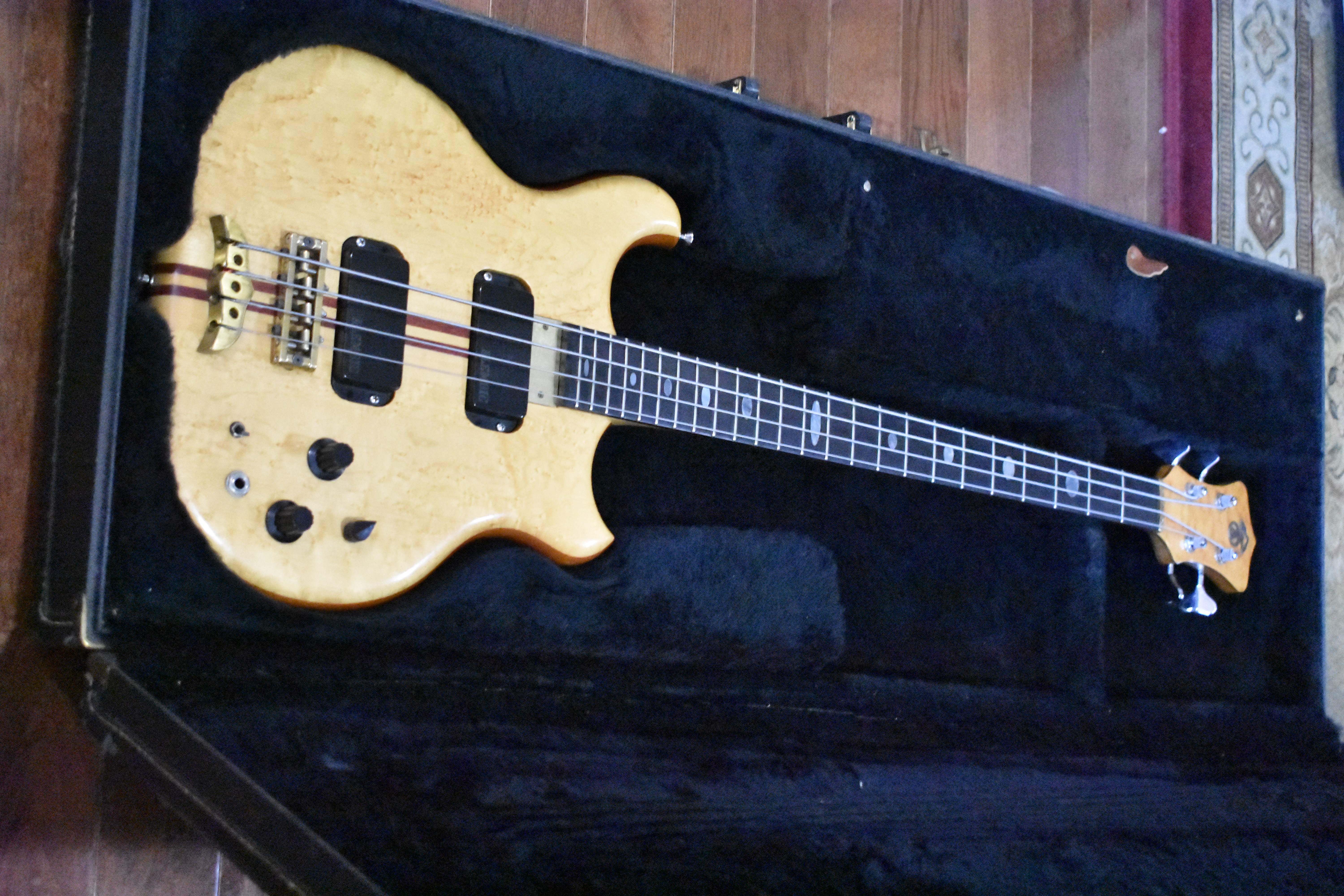
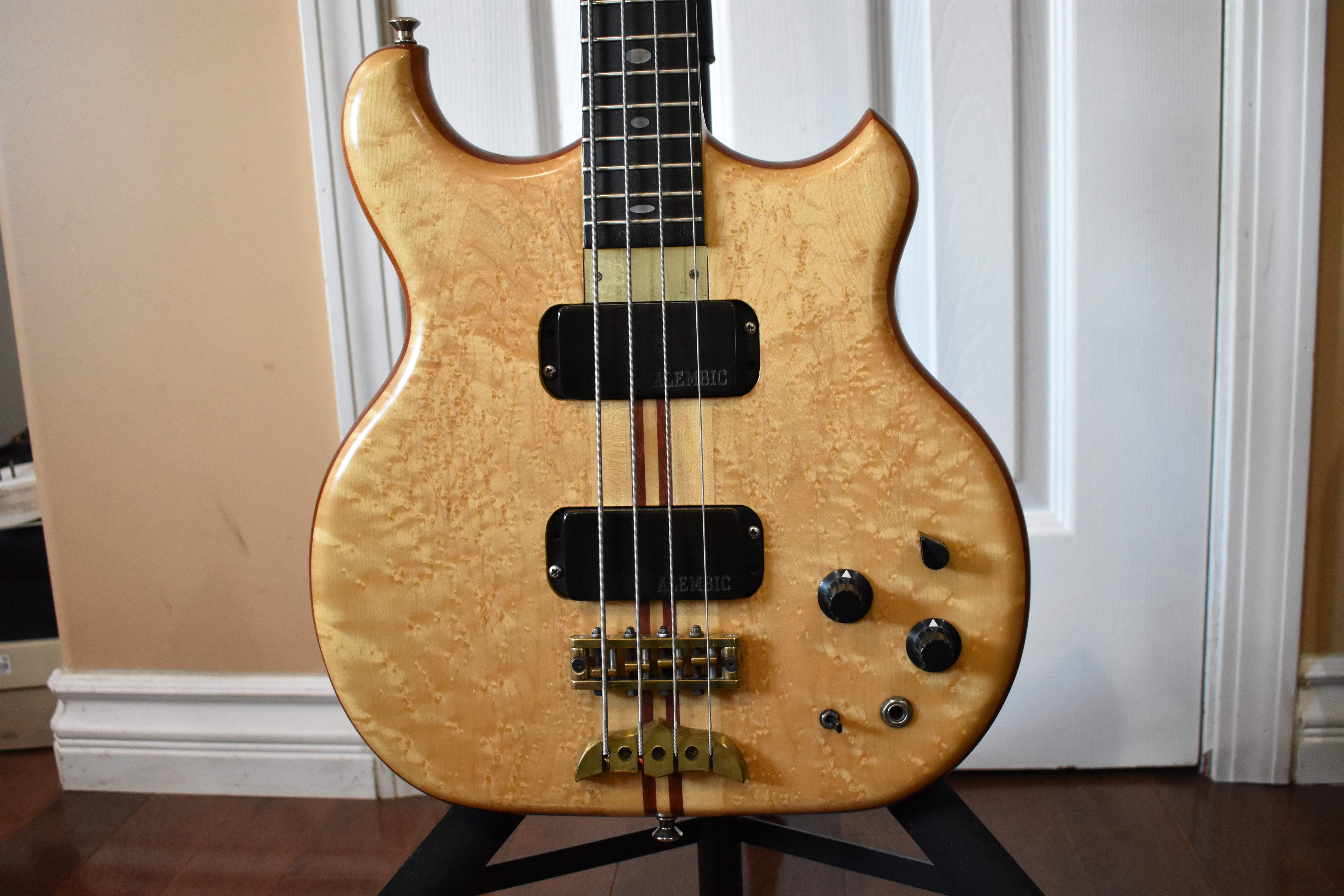
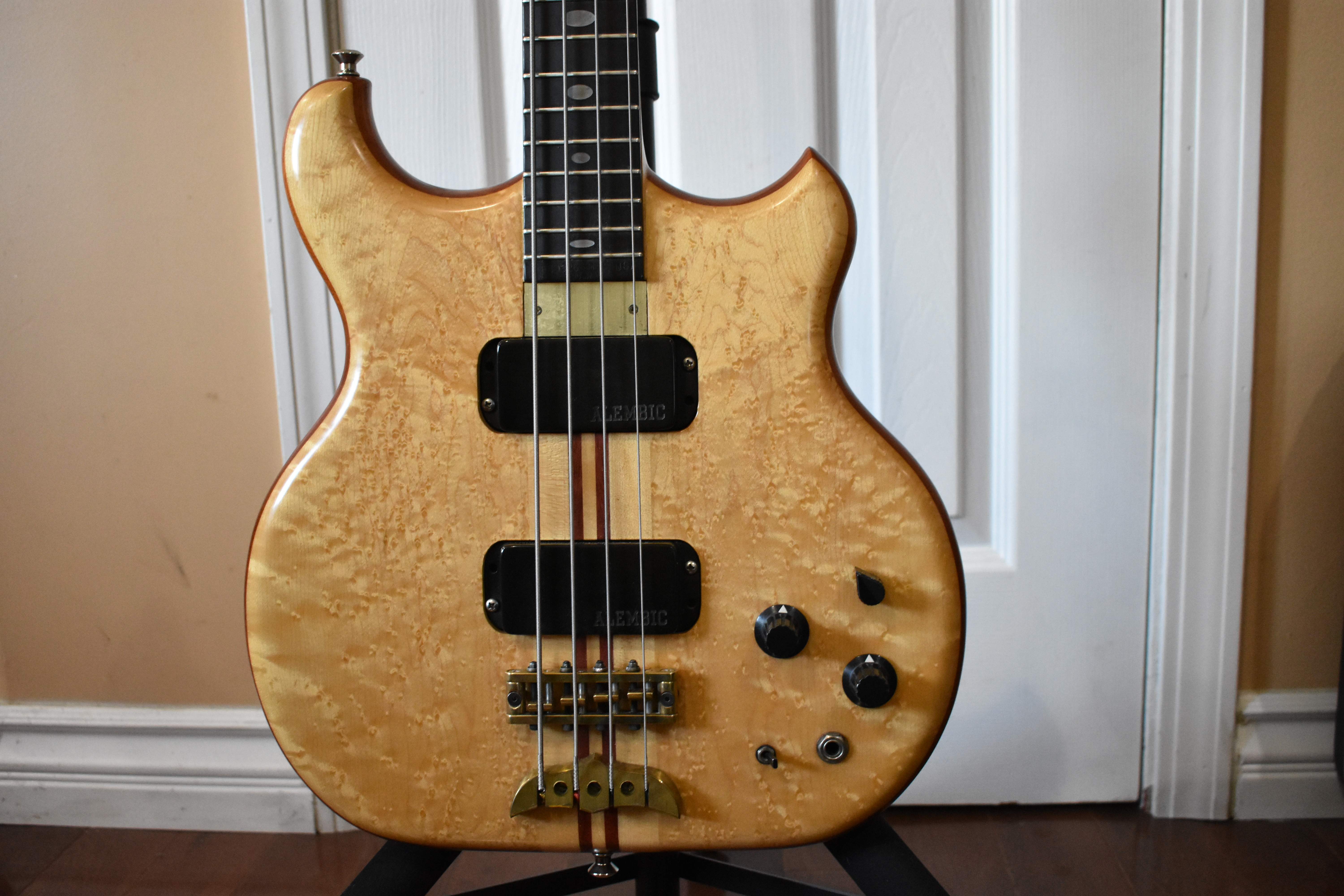
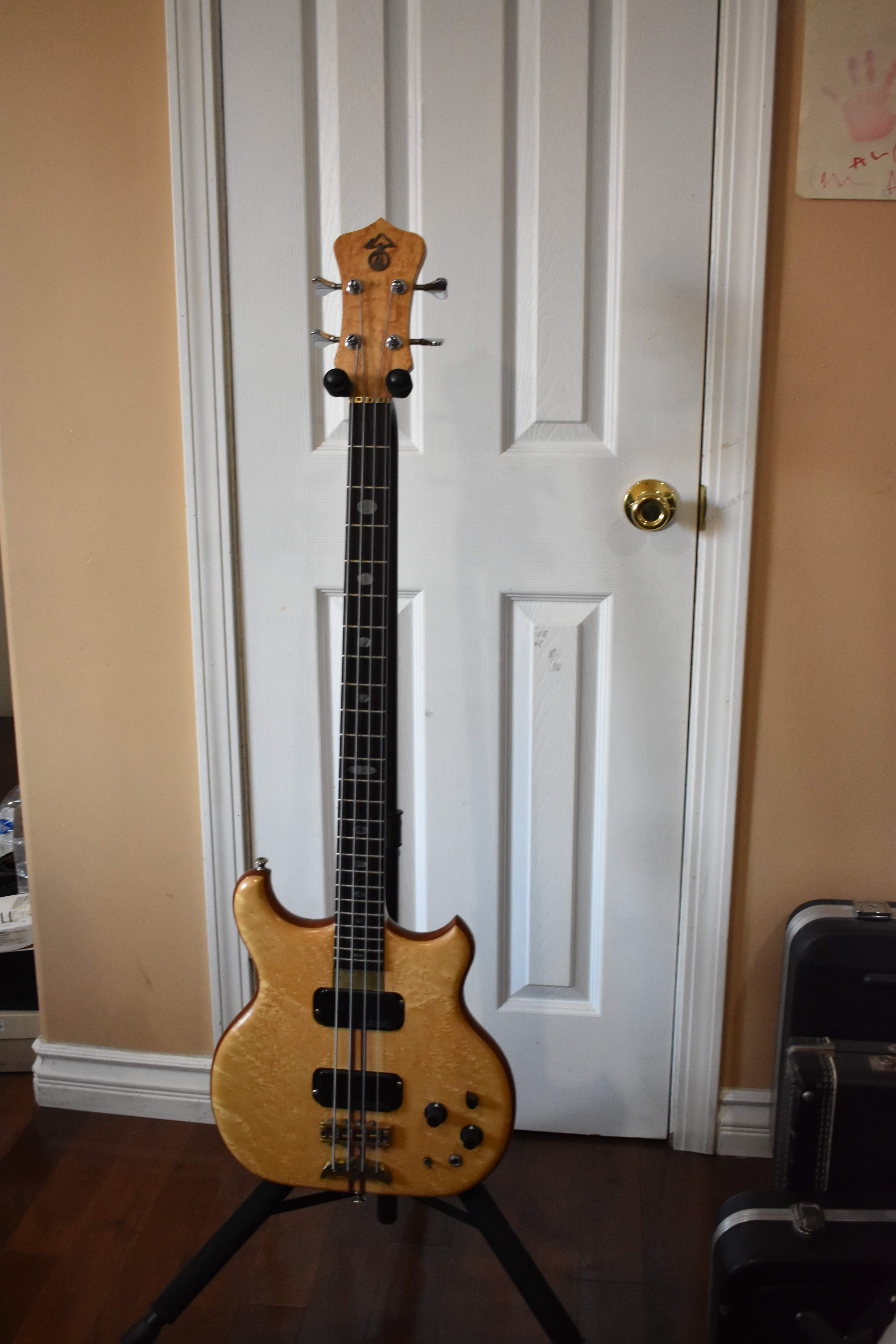
For sale 1984 Alembic Distillate with Spoiler Electronics

Sold
$2,500.00
Strings
4
Status
This item has been sold and is no longer available!

Details

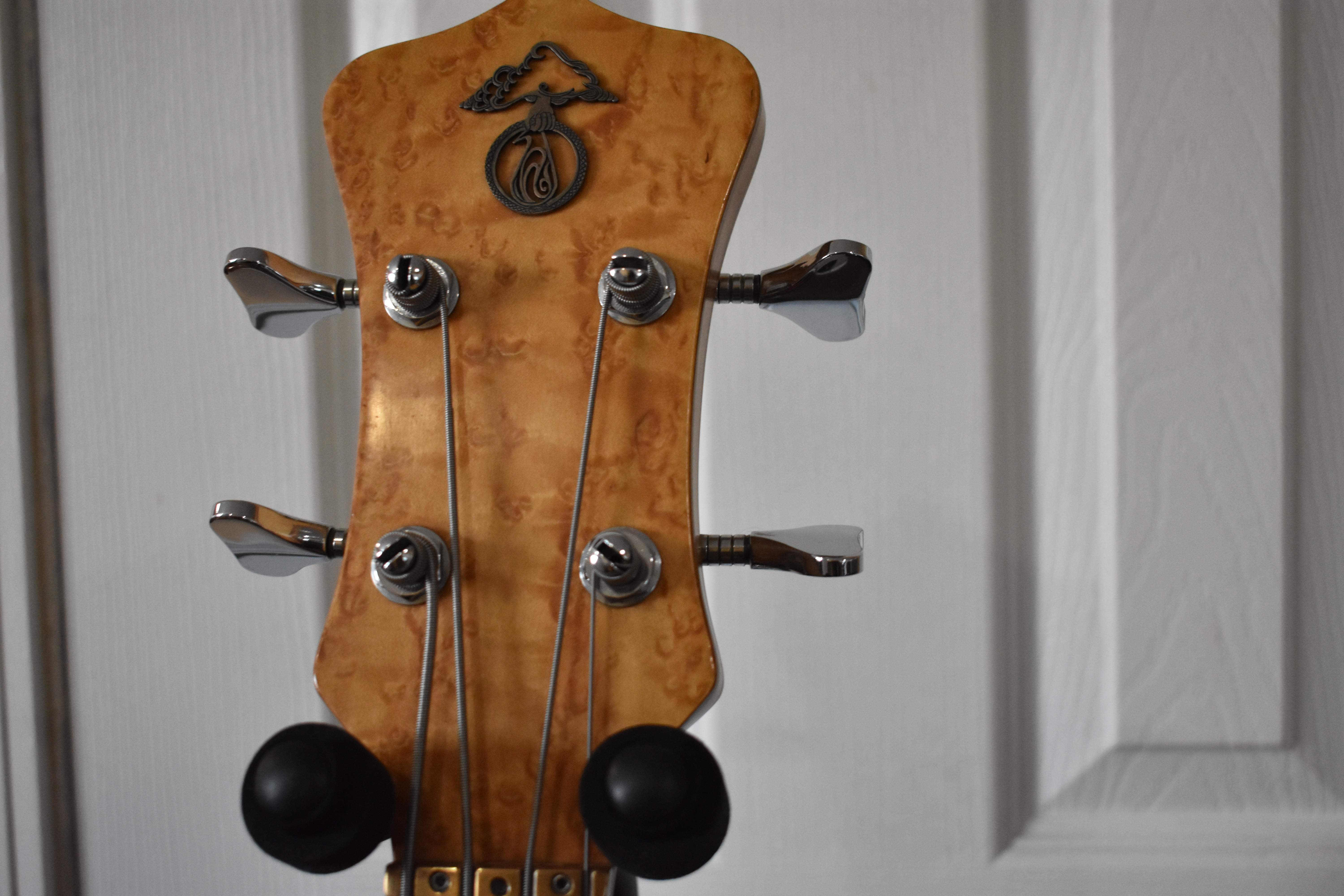
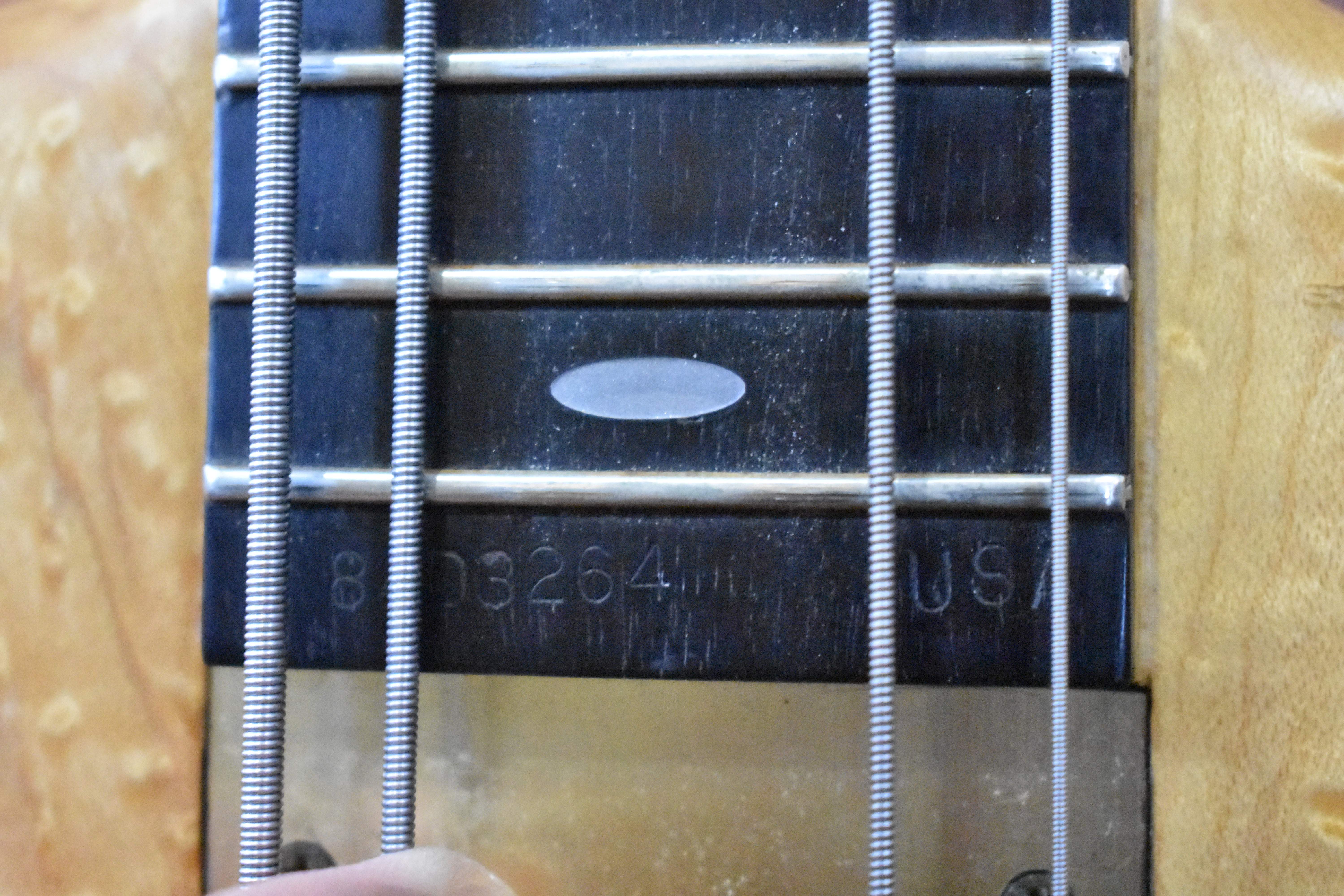
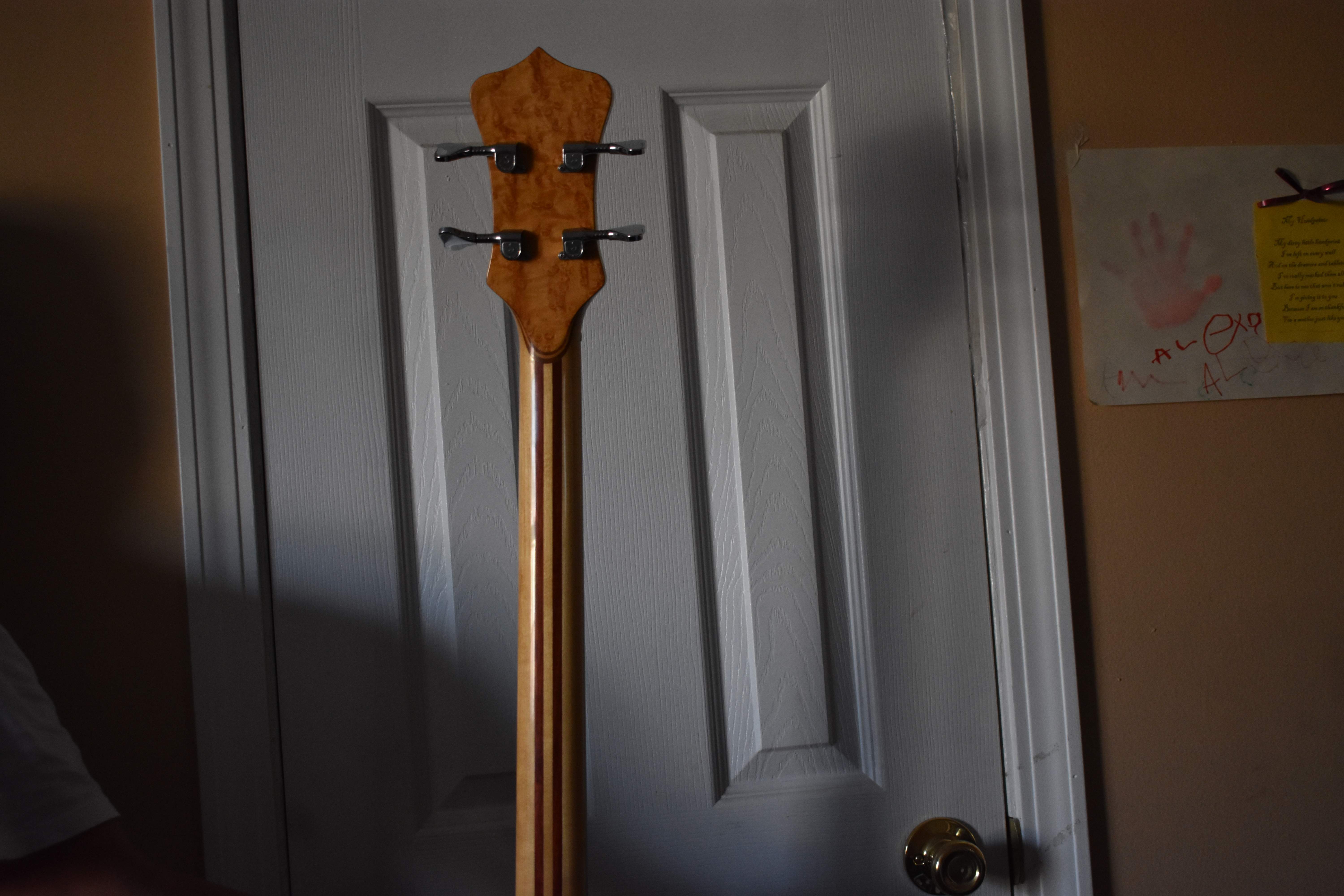
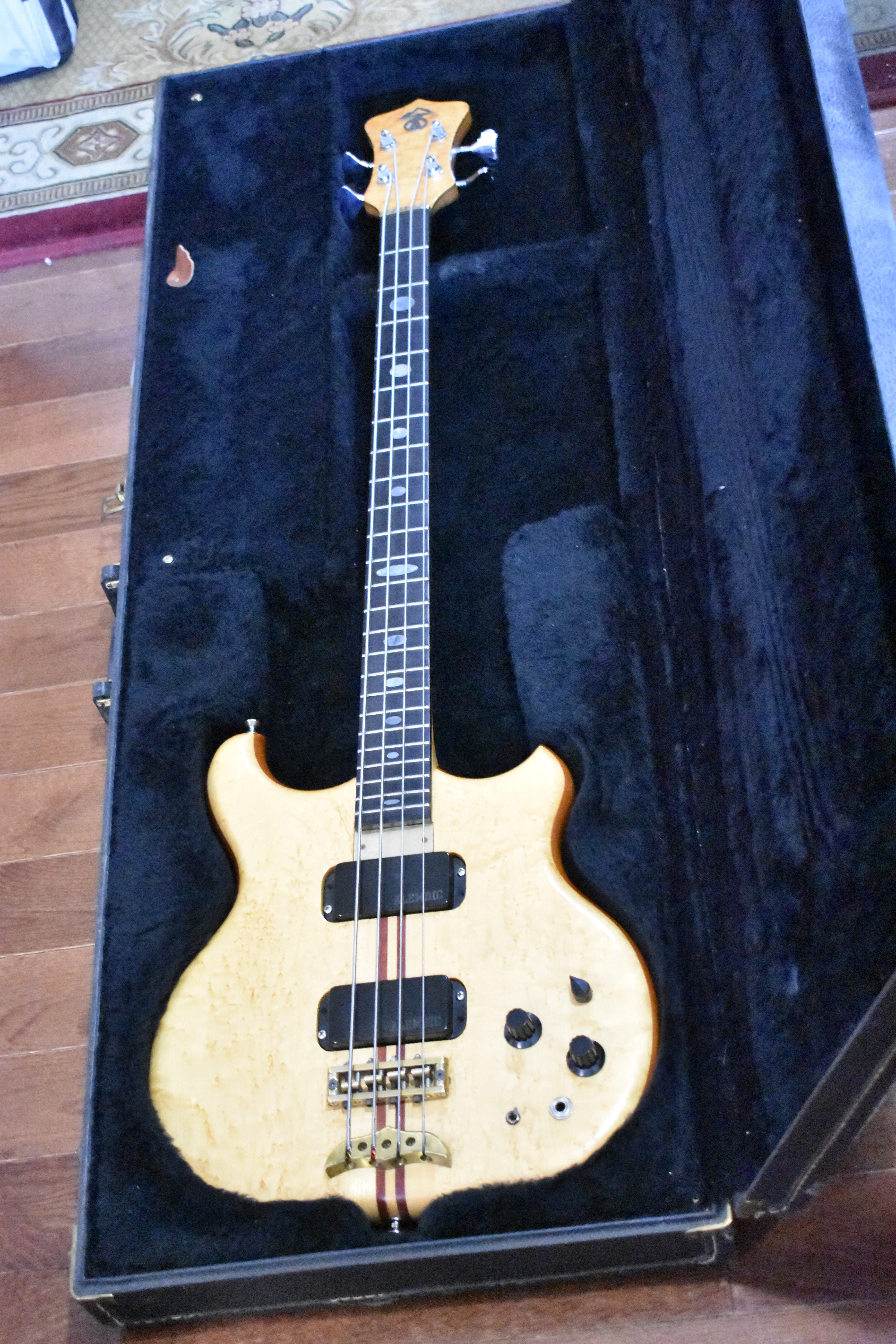
In the Los Angeles area a 1984 Alembic distillate with spoiler electronics in excellent condition.

Mahogany body with maple top.
32' scale

Price is shipped to 48 contiguous 48 only.
DSC_0531.JPG
DSC_0530.JPG
DSC_0531.JPG
DSC_0530.JPG
DSC_0532.JPG
DSC_0533.JPG
DSC_0534.JPG
DSC_0536.JPG
DSC_0537.JPG
DSC_0531.JPG
DSC_0530.JPG
DSC_0532.JPG
DSC_0533.JPG
DSC_0534.JPG
DSC_0536.JPG
DSC_0537.JPG
DSC_0684.JPG
DSC_0684.JPG
  • DSC_0686.JPG
    DSC_0686.JPG
    1.5 MB · Views: 48

Comments

kesslari

Groovin' with Fusion Cuisine
Staff member
Gold Supporting Member
Dec 21, 2007
15,233
45,123
Santa Cruz Mtns, California
Disclosures
Lark in the Morning Instructional Videos; Audix Microphones
For those of us who don't know, what are "Spoiler Electronics" and how do they differ from "Distillate Electronics"? I thought the two similar basses had similar electronics, but clearly that's not the case.
 
Feb 4, 2008
118
86
For those of us who don't know, what are "Spoiler Electronics" and how do they differ from "Distillate Electronics"? I thought the two similar basses had similar electronics, but clearly that's not the case.

The controls for Spoiler electronics are:

volume (usually nearest the pickups)
low-pass filter frequency (nearest the edge)
Q switch (next to the frequency)
rotary pickup selector switch (teardrop knob)

The frequency control adjusts a low-pass filter tunable from about 350Hz - 6KHz. Where you tune the filter is the cutoff frequency. Only frequencies below the cutoff frequency are passed.

Q switch is on when you flick it down while playing. When the Q switch is on, it boosts the cutoff frequency of the filter by about 8dB. You can hear the effect by sustaining a note while rotating the filter back and forth with the Q switch is on. You should hear a distinct wah-wah.

You won't hear much affect if you flick the switch up and down while sustaining a note since the filter's influence is mostly on the attack of a note. Play a passage you are good at repeating well and try the same frequency setting with the Q switch on and off. Listen the start of each note to hear what the Q switch does. It's a subtle but musically useful control.

You'll probably use the Q while slapping and playing rock. For blues and legato playing, you'll probably have the Q off.

The rotary switch os a 4-position pickup selector. From the most counter-clockwise position, the settings are:
1. standby
2. neck pickup only
3. both pickups
4. bridge pickup only

Note, the standby position is not the same as off. So long as you have a cable connected to the output jack, the battery is draining. The standby is useful for when you have an extended rest period but later want to return to your original volume setting.

There is an onboard preamp, so the circuit is active and requires a 9V battery to operate. There is not enough output from the pickups to use them without a battery since they are low impedance.

Internally, you will find 2 small trimpots on the circuit board that control the gain of each pickup. You can set the height of the pickups without regard to output. This means you can set the pickups' height to either where you like the way they sound or for your comfort, then go inside and correct the gains so that your pickup selector switch has the same volume for the neck and bridge pickups.


The Distillate controls are volume, pickup selector switch, low pass filter, Q switch, bass boost/cut switch, treble boost/cut switch.

The quick tone switches are bass and treble and are not individual switches for the pickups. Each switch provides 6db boost, flat, and 6db cut.

The filter control adjusts a low-pass filter tunable from about 350Hz - 6KHz. Where you tune the filter is the cutoff frequency. Only frequencies below the cutoff frequency are passed.

Q switch is on when you flick it down while playing. When the Q switch is on, it boosts the cutoff frequency of the filter by about 8dB. You can hear the effect by sustaining a note while rotating the filter back and forth with the Q switch is on. You should hear a distinct wah-wah.

The rotary switch is a 4-position pickup selector. The settings are:
1. standby
2. neck pickup only
3. both pickups
4. bridge pickup only

Note, the standby position is not the same as off. So long as you have a cable connected to the output jack, the battery is draining. The standby is useful for when you have an extended rest period but later want to return to your original volume setting.

There is an onboard preamp, so the circuit is active and requires a 9V battery to operate. There is not enough output from the pickups to use them without a battery since they are low impedance.

Internally, you will find 2 small trimpots on the circuit board that control the gain of each pickup. You can set the height of the pickups without regard to output. This means you can set the pickups' height to either where you like the way they sound or for your comfort, then go inside and correct the gains so that your pickup selector switch has the same volume for the neck and bridge pickups.
 

Classified ad information

Posted by
bass-novice
Feedback score
+27 /0 /-0
Category
For Sale: Bass Guitars
Views
3,596