


For Now interested in Trades only. Besides the missing Paint, there's not a dent or scratch in the metal. This thing is in perfect working order. My second one and I actually like it better than the first one I had which never left the studio. One owner. On my board for 6 months, paint got scratched moving my board from gig to gig in the case.
Interested in Broughton Audio Synth Voice, 3 Leaf Audio Chromatron, Iron Ether Pedals, Especially Dubterranea.... Love synths, but already have C4 Synth and Future Impact, Love sub Octavers but already have 2 Oc-2s. Love filters, but have The Josh Wah and a Lovetone Meatball... Love weird stuff that I could actually use, LFOs, Maybe some Meris or chase bliss stuff.... Whatcha got? Don't be afraid to make offers! I like random stuff like the DOD Octopus so you never know. just don't need any flangers, choruses, or phasers unless they are very special.
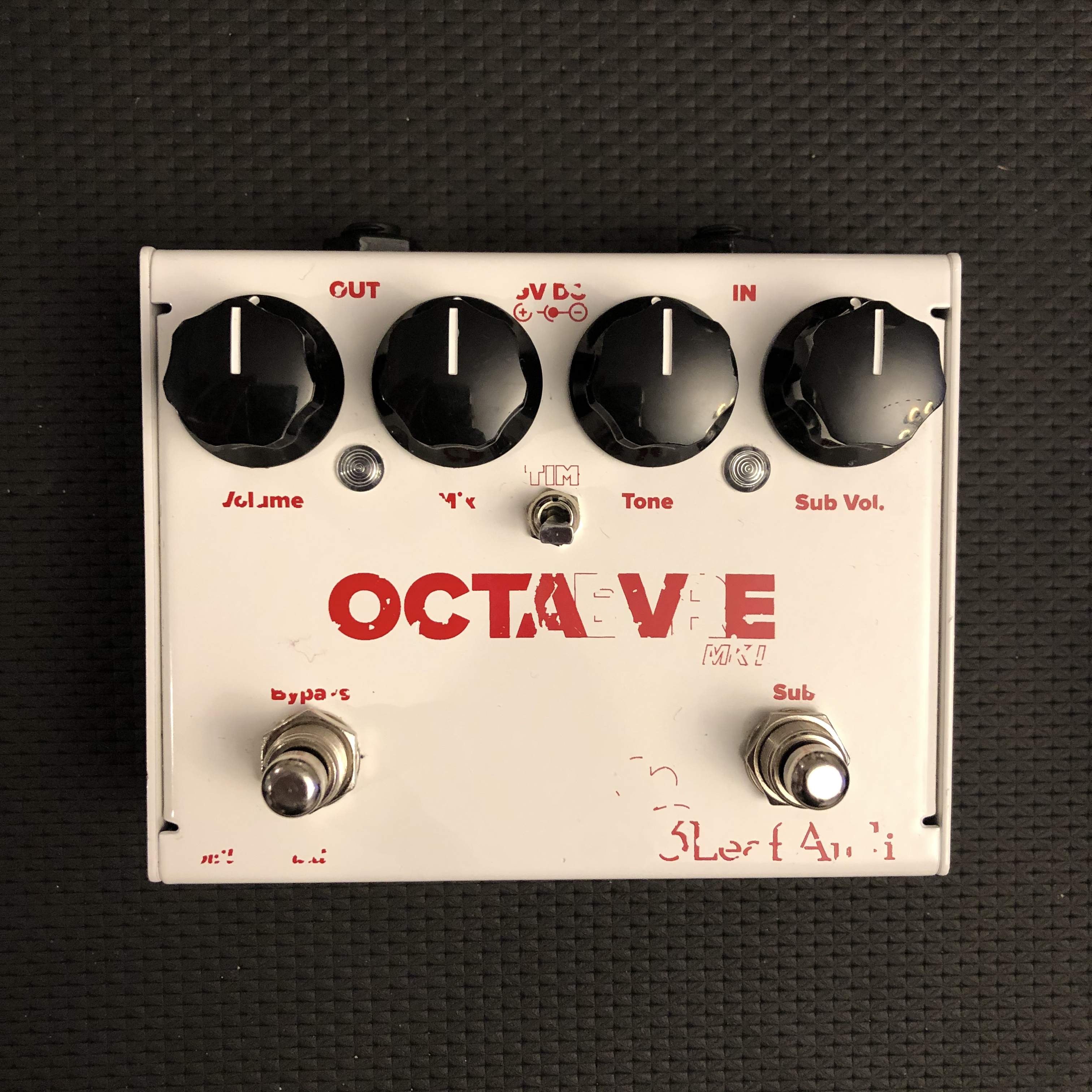
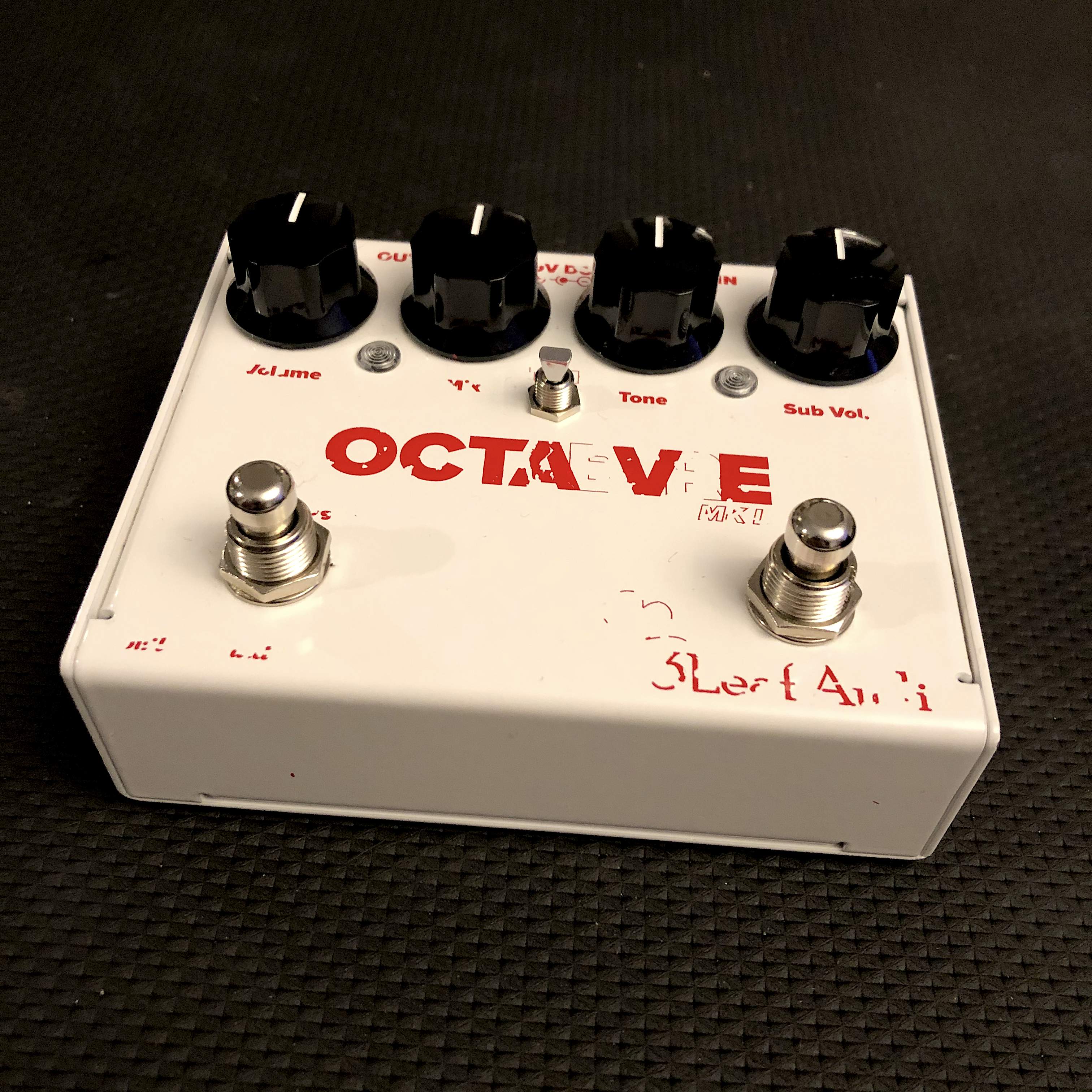
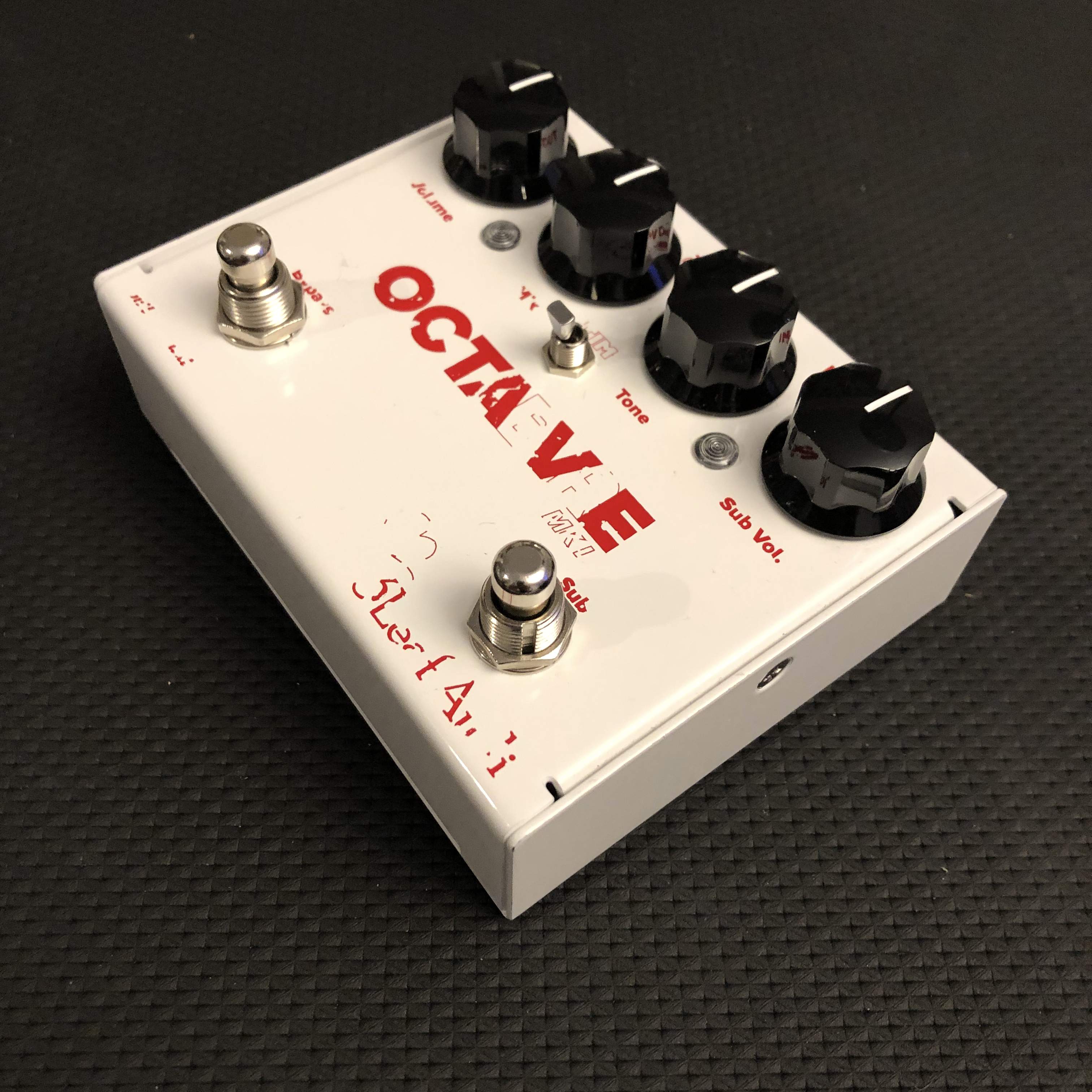
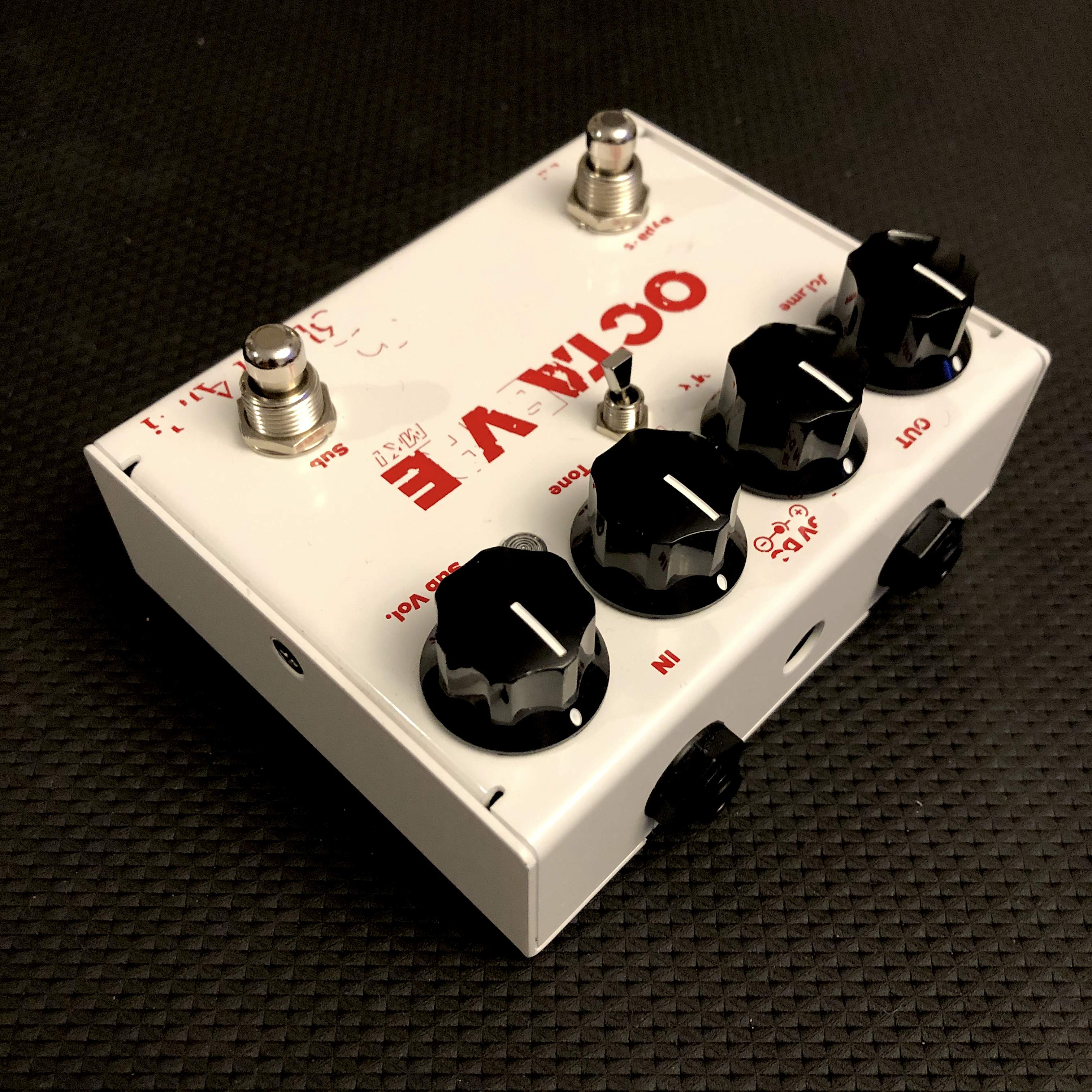
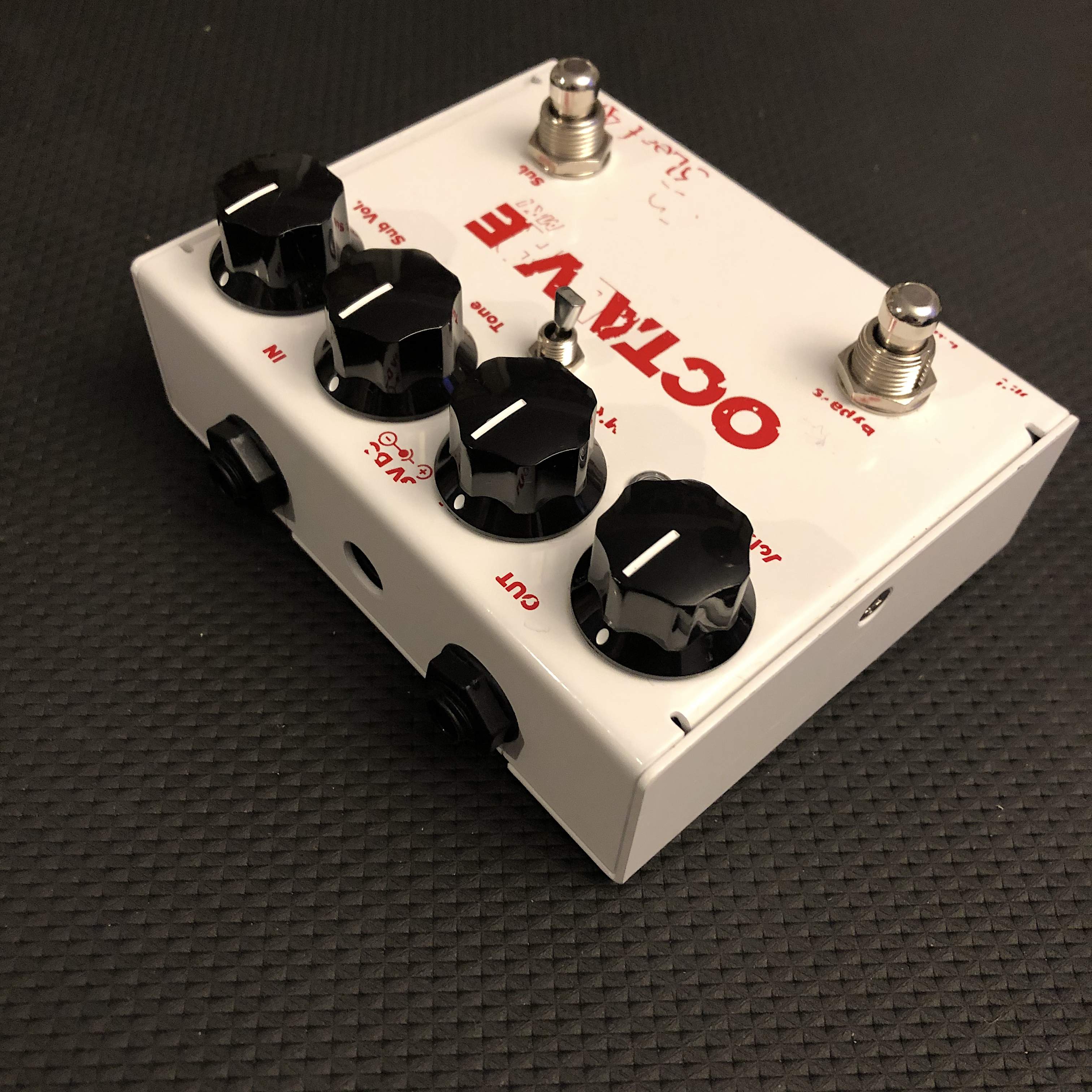
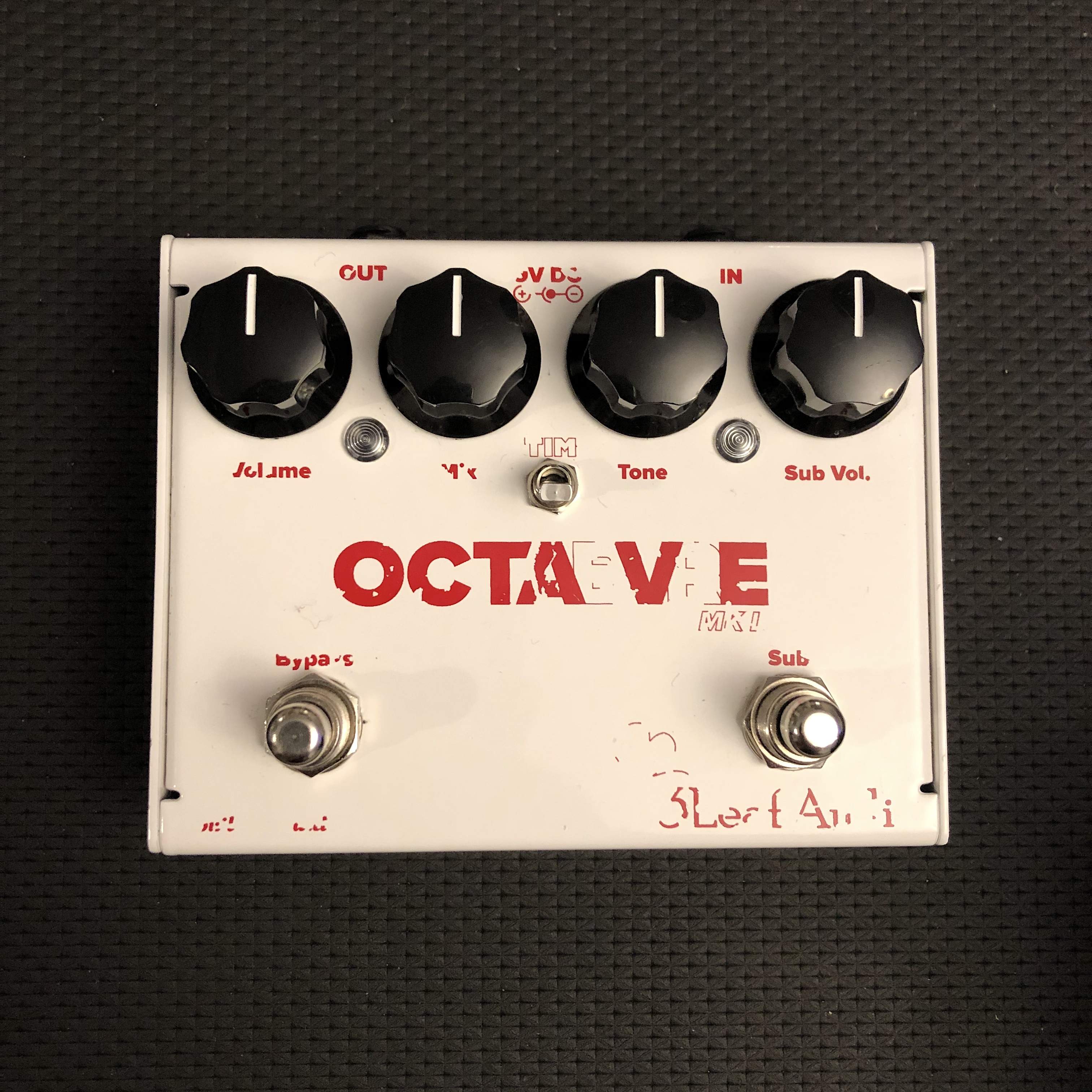
The Octavbre mkII comes with 4 large knobs, a single 2-way toggle switch, two footswitches, two LEDs, two jack connectors and a power supply input.
The first knob from the left is named VOLUME and basically sets the overall master output level. This is the knob you tweak to dial in unity gain once you have the octave tone and balance in place. Or you might use it to give it a small boost if you mainly kick in the octave effect for soloing.
The MIX knob simply controls the balance between your dry tone and the octave below.
The TONE knob changes the nature of the lower octave’s tone. That is why this pedal is also referred to as a ‘Dual Mode’ octave stompbox. When turned fully counterclockwise, the pedal is designed to emulate the classic Boss OC-2 Octave tone. And when fully clockwise, the tonal ideal is the more gritty Mutron Octave tone. And in between these two settings, there is a whole world of various octave tones to discover and explore.
The BYPASS footswitch is universal and as you would expect it engages/disengages the pedal. If it is engaged, and you play with a classic blend of your dry tone and the lower octave, the SUB footswitch allows you to kill the dry signal instantly, leaving you with the sub octave in isolation – and deep in the synthy sub-bass territory. The SUB VOL knob adjusts the lower octave when in isolation which is very neat as you would often need to adjust a bit compared to when you have a mix with the dry signal as well.
Finally, the toggle switch allows you to go in and out of the TIM (LeFebvre) mode.
"The Octabvre gives you a very wide range of octave tones, which makes it very versatile in a fundamental way. Add to that the option of having a dedicated footswitch to go into synth mode. Octave pedals have these two basic – and very different – types of usage and being able to quickly switching from one to the other is brilliant. On most other octave pedals, you will have to adjust the mix balance manually to get the isolated lower octave, which translates into knob-fiddling rather than a quick stomp. Or as an alternative, many use two separate octavers – one for each purpose.
Even without considering the TIM mode (mkII only), the pedal is hugely versatile in terms of sheer tonal possibilities. As you will probably have noticed if you made it through the last couple of sound clip rounds, the TIM mode adds a quite subtle difference when the TONE knob is all the way down, but as you turn it up, the difference become more and more obvious, and turned all the way up we’re talking about two completely different worlds of tone. It is obvious that Tim LeFebvre is a huge OC2 fan and while the pedal by default emulates this very nicely, the TIM modes fattens up the tone just a tad more and at one particular setting, I could barely hear any difference when I A/B’ed it against my good old Boss OC-2. Why didn’t I add sound clips? Stay tuned… A dedicated shootout between the two pedals is coming up
So, does the TIM mode double the tonal experience? No, it doesn’t. But it certainly adds to it and I do love it, but I would still consider the original Octabvre without the TIM mode a great octave pedal.
Tracking is always important when it comes to octave pedals, and I must say that my first impression is that this pedal tracks amazingly well. I heard very few glitches and it was able to go pretty deep and still the pedal delivered a very solid-sounding lower octave."
Interested in Broughton Audio Synth Voice, 3 Leaf Audio Chromatron, Iron Ether Pedals, Especially Dubterranea.... Love synths, but already have C4 Synth and Future Impact, Love sub Octavers but already have 2 Oc-2s. Love filters, but have The Josh Wah and a Lovetone Meatball... Love weird stuff that I could actually use, LFOs, Maybe some Meris or chase bliss stuff.... Whatcha got? Don't be afraid to make offers! I like random stuff like the DOD Octopus so you never know. just don't need any flangers, choruses, or phasers unless they are very special.
The Octavbre mkII comes with 4 large knobs, a single 2-way toggle switch, two footswitches, two LEDs, two jack connectors and a power supply input.
The first knob from the left is named VOLUME and basically sets the overall master output level. This is the knob you tweak to dial in unity gain once you have the octave tone and balance in place. Or you might use it to give it a small boost if you mainly kick in the octave effect for soloing.
The MIX knob simply controls the balance between your dry tone and the octave below.
The TONE knob changes the nature of the lower octave’s tone. That is why this pedal is also referred to as a ‘Dual Mode’ octave stompbox. When turned fully counterclockwise, the pedal is designed to emulate the classic Boss OC-2 Octave tone. And when fully clockwise, the tonal ideal is the more gritty Mutron Octave tone. And in between these two settings, there is a whole world of various octave tones to discover and explore.
The BYPASS footswitch is universal and as you would expect it engages/disengages the pedal. If it is engaged, and you play with a classic blend of your dry tone and the lower octave, the SUB footswitch allows you to kill the dry signal instantly, leaving you with the sub octave in isolation – and deep in the synthy sub-bass territory. The SUB VOL knob adjusts the lower octave when in isolation which is very neat as you would often need to adjust a bit compared to when you have a mix with the dry signal as well.
Finally, the toggle switch allows you to go in and out of the TIM (LeFebvre) mode.
"The Octabvre gives you a very wide range of octave tones, which makes it very versatile in a fundamental way. Add to that the option of having a dedicated footswitch to go into synth mode. Octave pedals have these two basic – and very different – types of usage and being able to quickly switching from one to the other is brilliant. On most other octave pedals, you will have to adjust the mix balance manually to get the isolated lower octave, which translates into knob-fiddling rather than a quick stomp. Or as an alternative, many use two separate octavers – one for each purpose.
Even without considering the TIM mode (mkII only), the pedal is hugely versatile in terms of sheer tonal possibilities. As you will probably have noticed if you made it through the last couple of sound clip rounds, the TIM mode adds a quite subtle difference when the TONE knob is all the way down, but as you turn it up, the difference become more and more obvious, and turned all the way up we’re talking about two completely different worlds of tone. It is obvious that Tim LeFebvre is a huge OC2 fan and while the pedal by default emulates this very nicely, the TIM modes fattens up the tone just a tad more and at one particular setting, I could barely hear any difference when I A/B’ed it against my good old Boss OC-2. Why didn’t I add sound clips? Stay tuned… A dedicated shootout between the two pedals is coming up
So, does the TIM mode double the tonal experience? No, it doesn’t. But it certainly adds to it and I do love it, but I would still consider the original Octabvre without the TIM mode a great octave pedal.
Tracking is always important when it comes to octave pedals, and I must say that my first impression is that this pedal tracks amazingly well. I heard very few glitches and it was able to go pretty deep and still the pedal delivered a very solid-sounding lower octave."
