I still haven't started this, (still haven't finished my first bass  ) but I thought this might be of interest to some. I know I find it very interesting.
I've got this wood that here is called Pinotea. It's some sort of pine, though I'm not sure which. Maybe someone can help me and identify it. I once was told it's Oregon Pine, but I'm not sure.
The thing is, this wood is not longer available. Here it was mostly used for flooring, but also for roof beams, which I find really interesting.
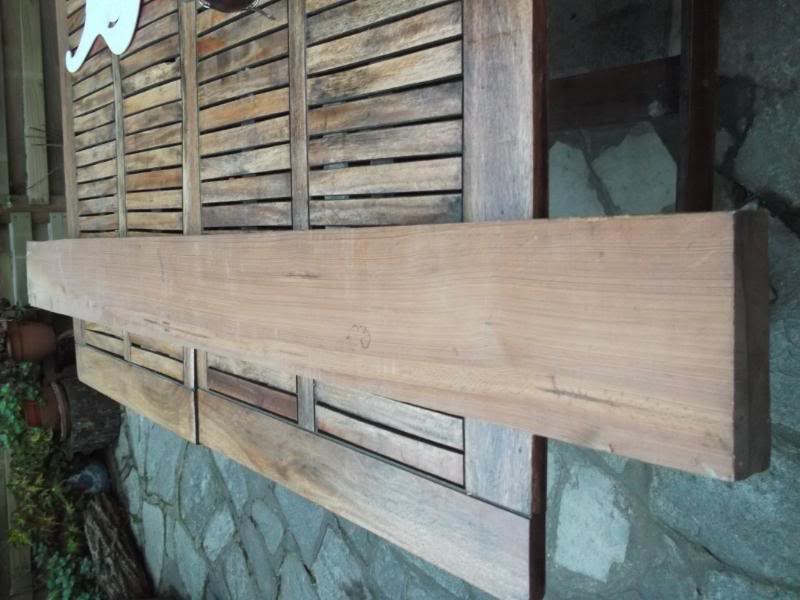
The piece I have and plan for using as a body came from a demolition. As far as I know, it's either an endangered species or it's not being harvested any more. The only way to get it here is from demolitions/reconstructions. My house's flooring came from a demolition sale, and that's where this piece comes from as well:
(that's centimeters by the way):
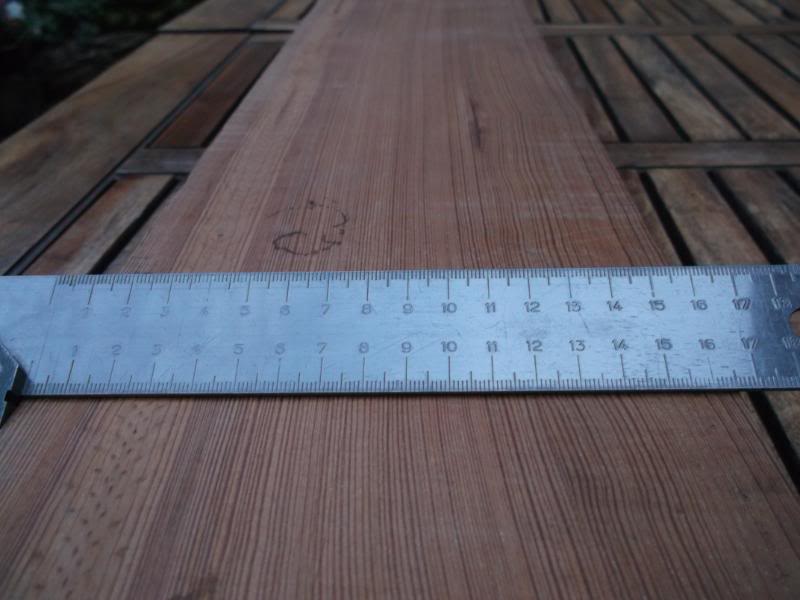
As far as I know this wood came from USA. I've been told that back in the day ships sailed out from our port packed with cereals, and they had to come back with something to put weight on the ship, so they came back with, among other things, wood.
My brother recently remodeled his house's roof, and he found this:
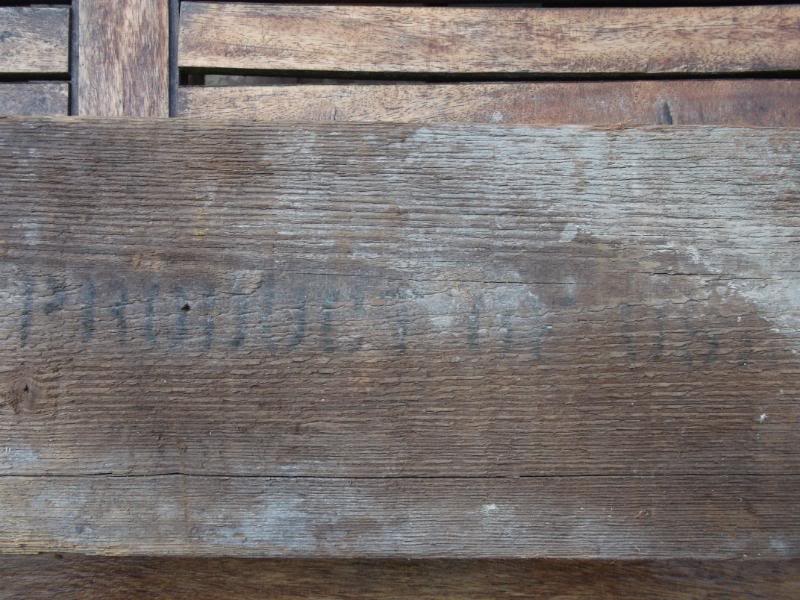
That's an old roof beam he took down, it's pinotea, and it's not so clear in this picture, but the beam is stamped "PRODUCT OF USA". So indeed, this wood came from the states! My brother's house was originally built around 1910. I don't know how old the wood I have is, but I'd say it's pretty old. Still, when you cut it it has the distinctive smell of pine.
I suppose this must have either been very cheap wood, or the only available, because though it's so beautiful and makes for beautiful floor boards, it was also used for roof beams, that are not seen, and I guess there must have been a valid reason to hide such beautiful wood in the roofs. It's quite possible there were no wood mills around here at the time, I don't really know.
Ok, just wanted to share this with you, hope you find it as interesting as I did, and didn't find it boring.
I'd love to hear what you may know about this wood.
) but I thought this might be of interest to some. I know I find it very interesting.I've got this wood that here is called Pinotea. It's some sort of pine, though I'm not sure which. Maybe someone can help me and identify it. I once was told it's Oregon Pine, but I'm not sure.
The thing is, this wood is not longer available. Here it was mostly used for flooring, but also for roof beams, which I find really interesting.
The piece I have and plan for using as a body came from a demolition. As far as I know, it's either an endangered species or it's not being harvested any more. The only way to get it here is from demolitions/reconstructions. My house's flooring came from a demolition sale, and that's where this piece comes from as well:
(that's centimeters by the way):
As far as I know this wood came from USA. I've been told that back in the day ships sailed out from our port packed with cereals, and they had to come back with something to put weight on the ship, so they came back with, among other things, wood.
My brother recently remodeled his house's roof, and he found this:
That's an old roof beam he took down, it's pinotea, and it's not so clear in this picture, but the beam is stamped "PRODUCT OF USA". So indeed, this wood came from the states! My brother's house was originally built around 1910. I don't know how old the wood I have is, but I'd say it's pretty old. Still, when you cut it it has the distinctive smell of pine.
I suppose this must have either been very cheap wood, or the only available, because though it's so beautiful and makes for beautiful floor boards, it was also used for roof beams, that are not seen, and I guess there must have been a valid reason to hide such beautiful wood in the roofs. It's quite possible there were no wood mills around here at the time, I don't really know.
Ok, just wanted to share this with you, hope you find it as interesting as I did, and didn't find it boring.
I'd love to hear what you may know about this wood.