• TalkBass has been independent since 1998. Add your voice.
    Create a free account to reply to discussions, view embedded media, and browse with fewer display ads.
    Join freeLog in
    Want zero display ads or expanded classifieds tools? Compare plans.

Ampeg B-25B rehab - guidance appreciated!

Hi all,
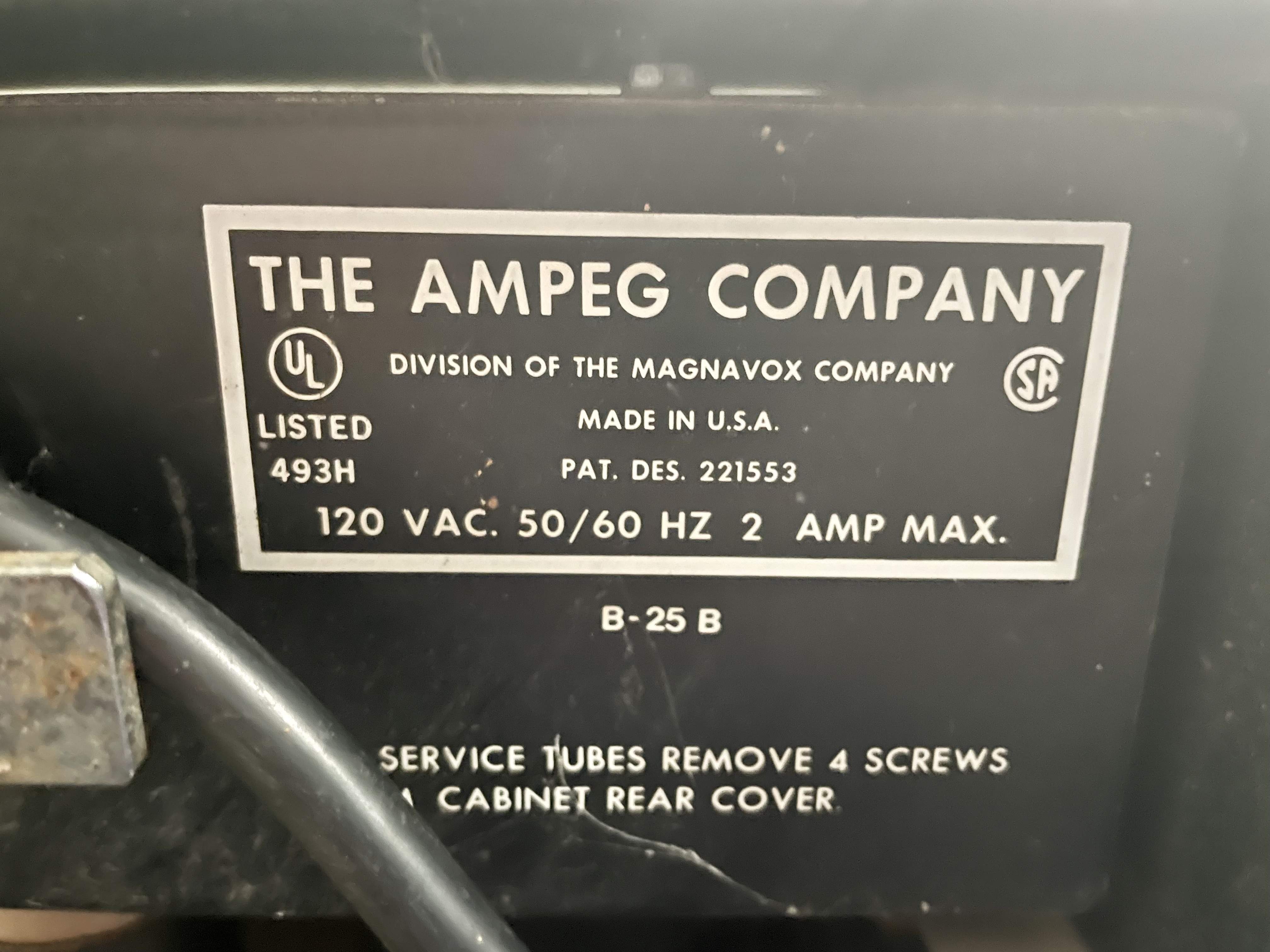
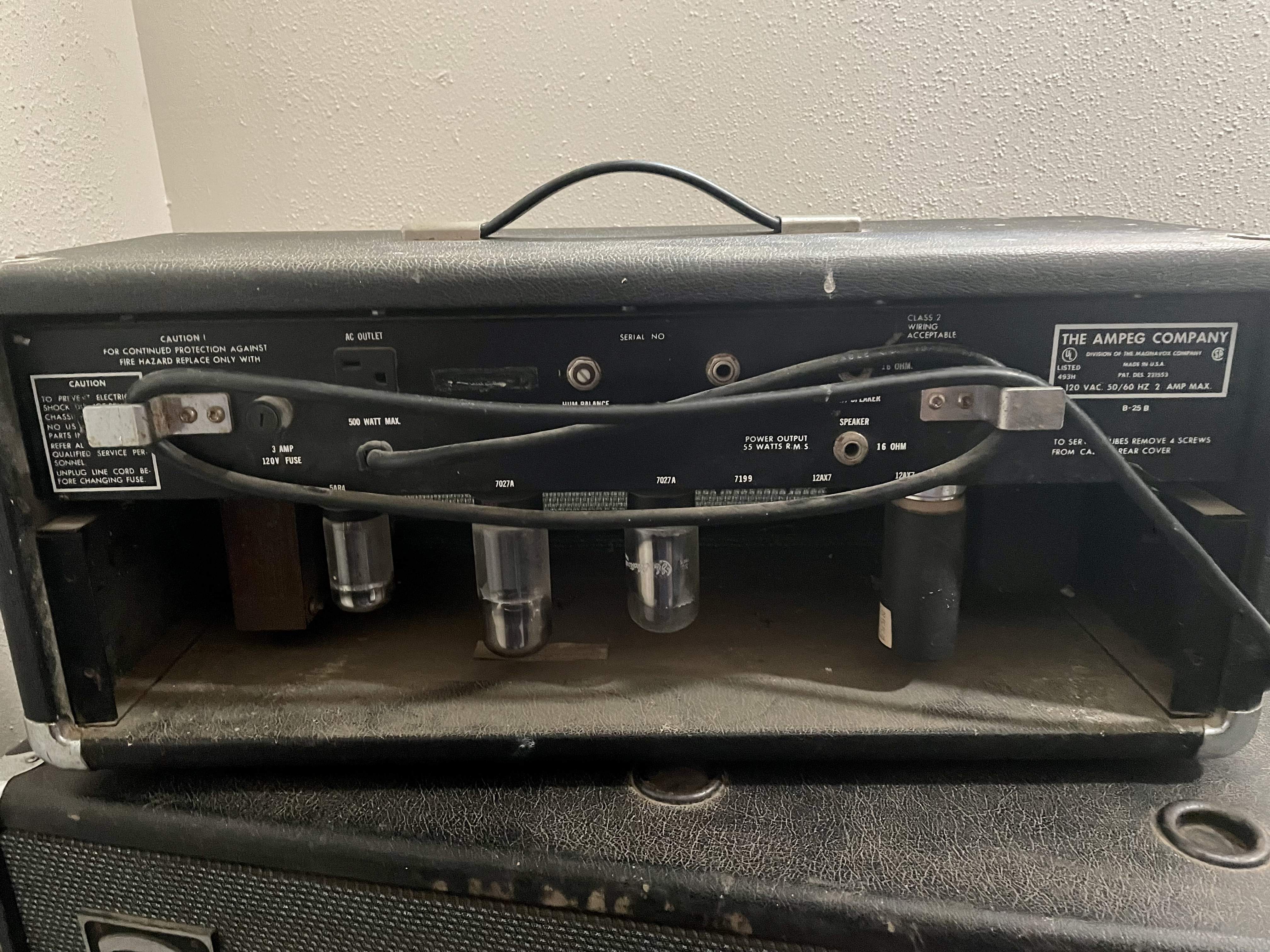
This lovely B-25B belonged to my housemate's late father and now resides in our basement. I tried to play through it once, but was met with a screeching sound and abruptly aborted for fear of causing damage. That is essentially all I know about this rig. I'm not a stranger to doing light work on amps/electronics, but far from a tube amp tech or guru. I am, however, a humble lover of the vintage Ampeg sound, and the idea of getting that magical tubey goodness at a lower volume level than I'd have to run an SVT to get there seems like a dream to me and I'd love to get it singing.

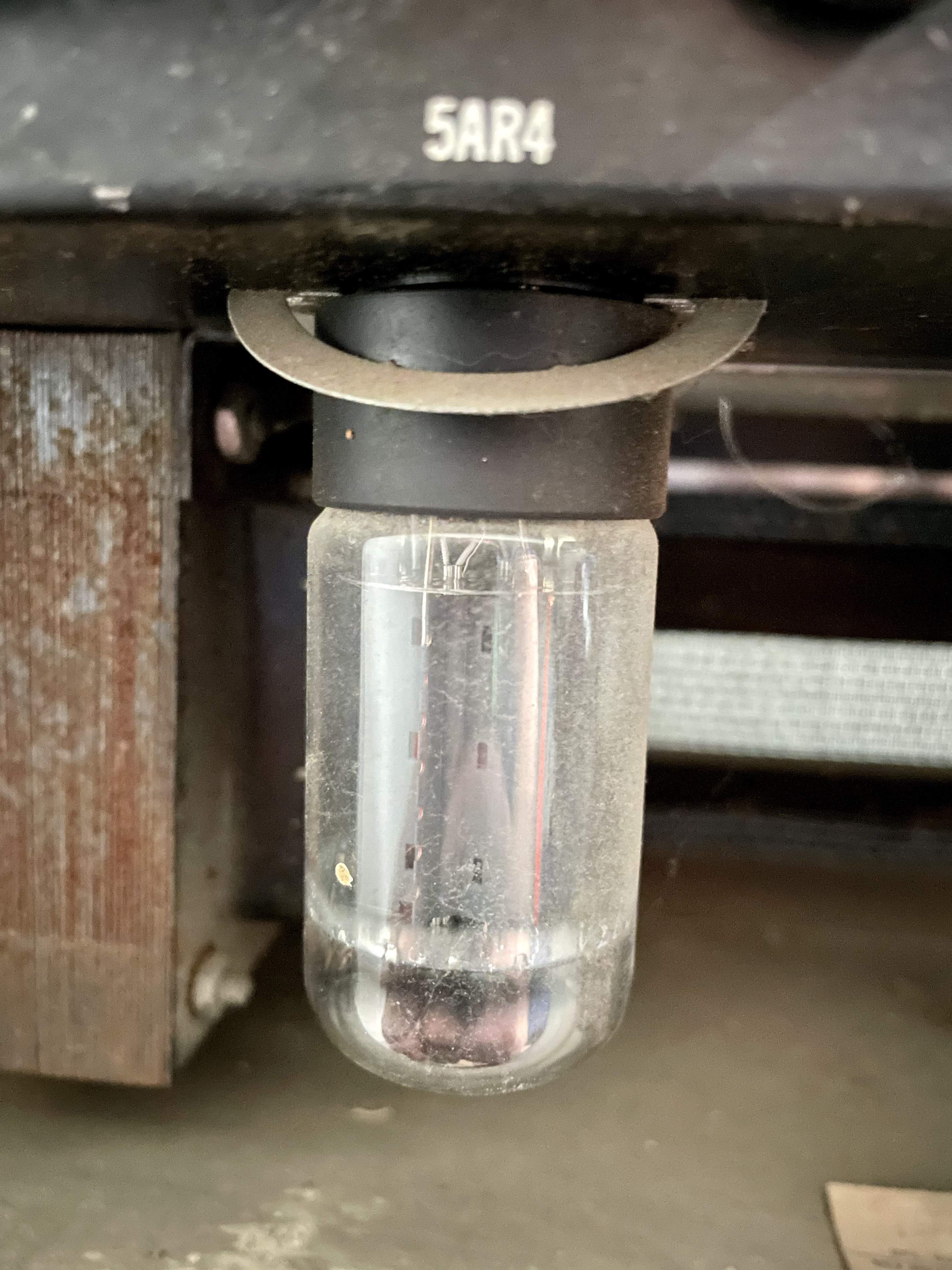
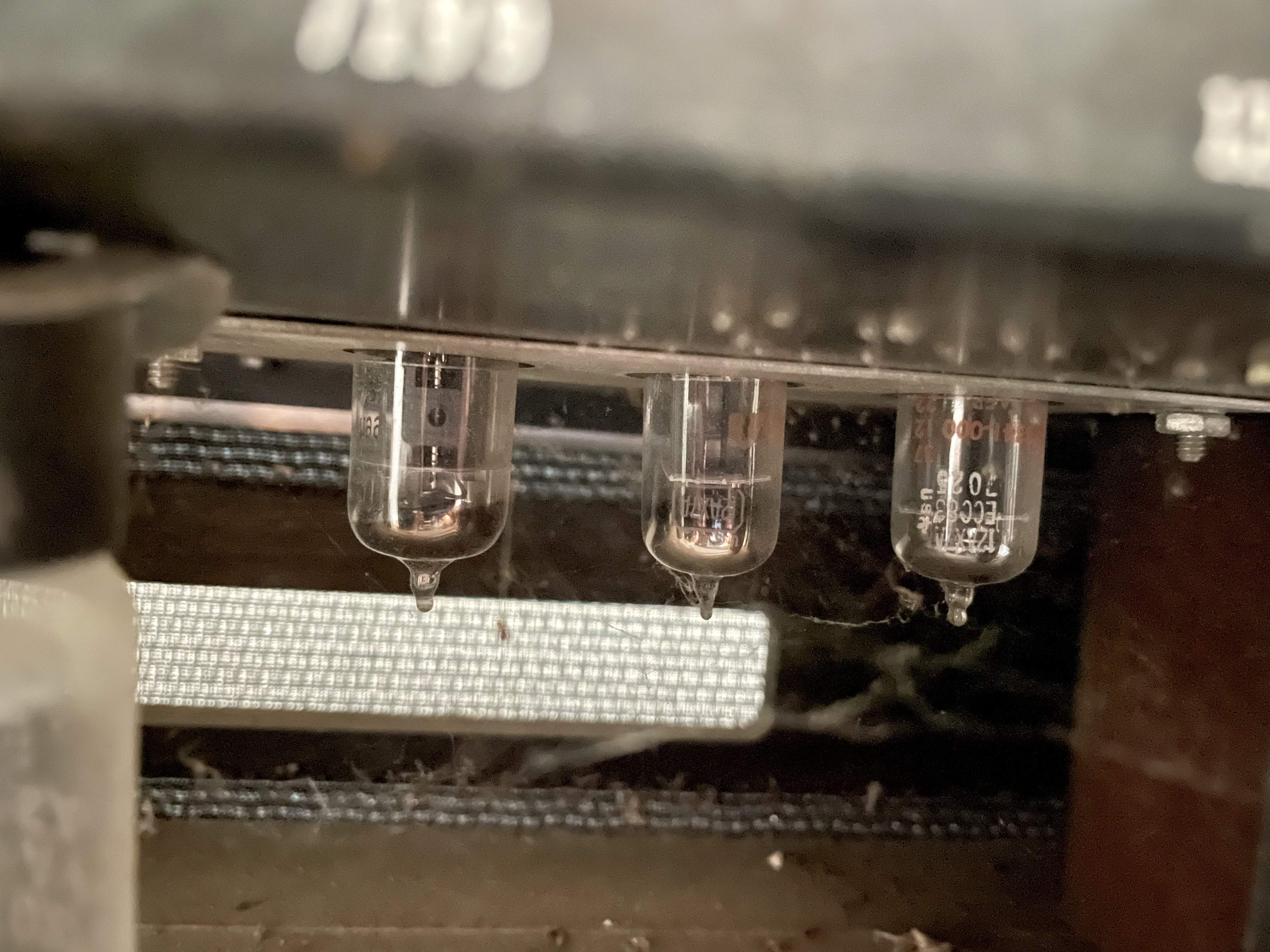
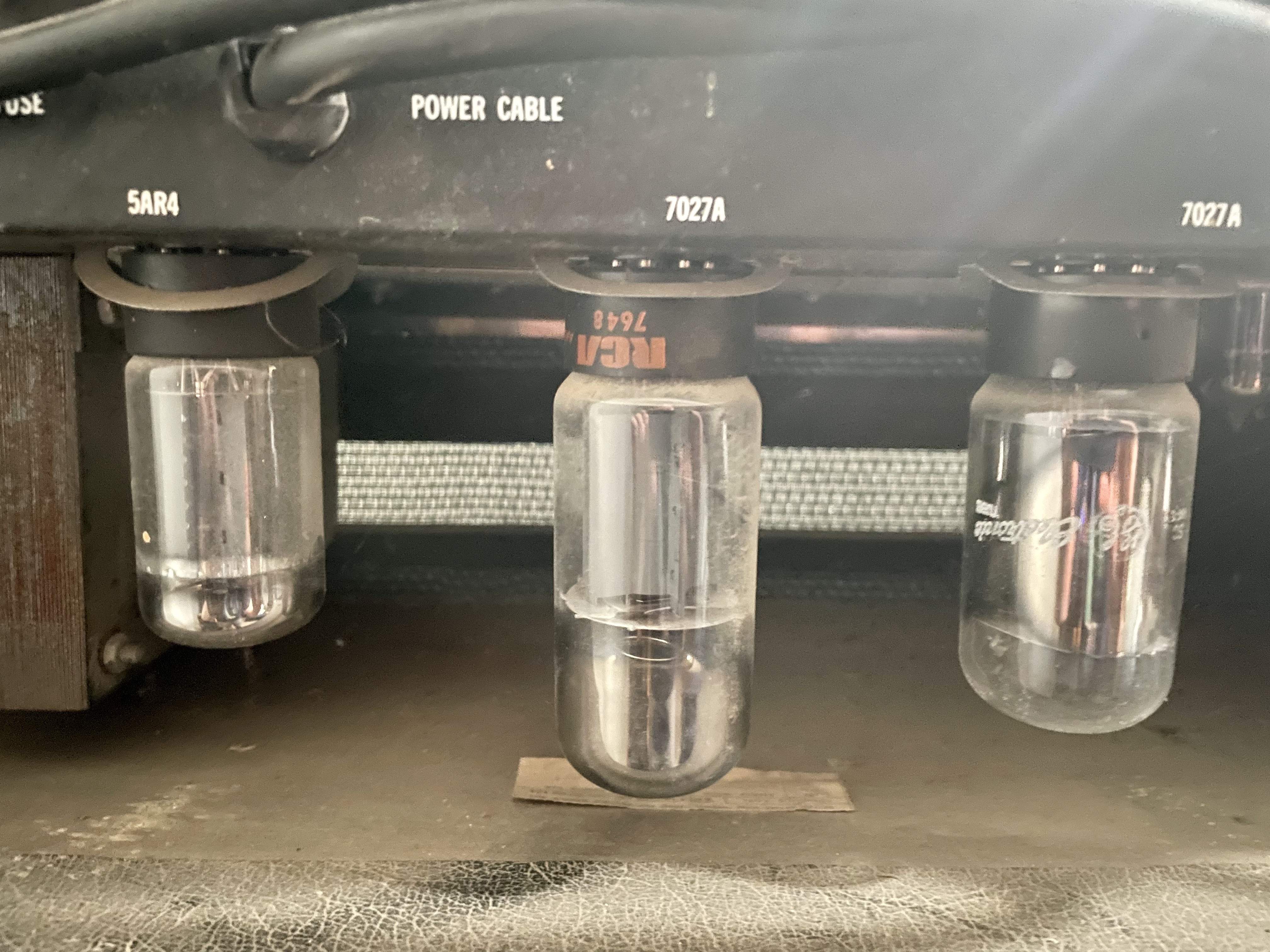
Any guidance on how to get started on this is appreciated. Testing/replacing the tubes (and rehoming the resident spiders) seemed like a logical starting point.
IMG_3186.jpeg
IMG_3185.jpeg
IMG_3184.jpeg
IMG_3183.jpeg
IMG_3182.jpeg
IMG_3181.jpeg
IMG_3179.jpeg
IMG_3178.jpeg
IMG_3176.jpeg
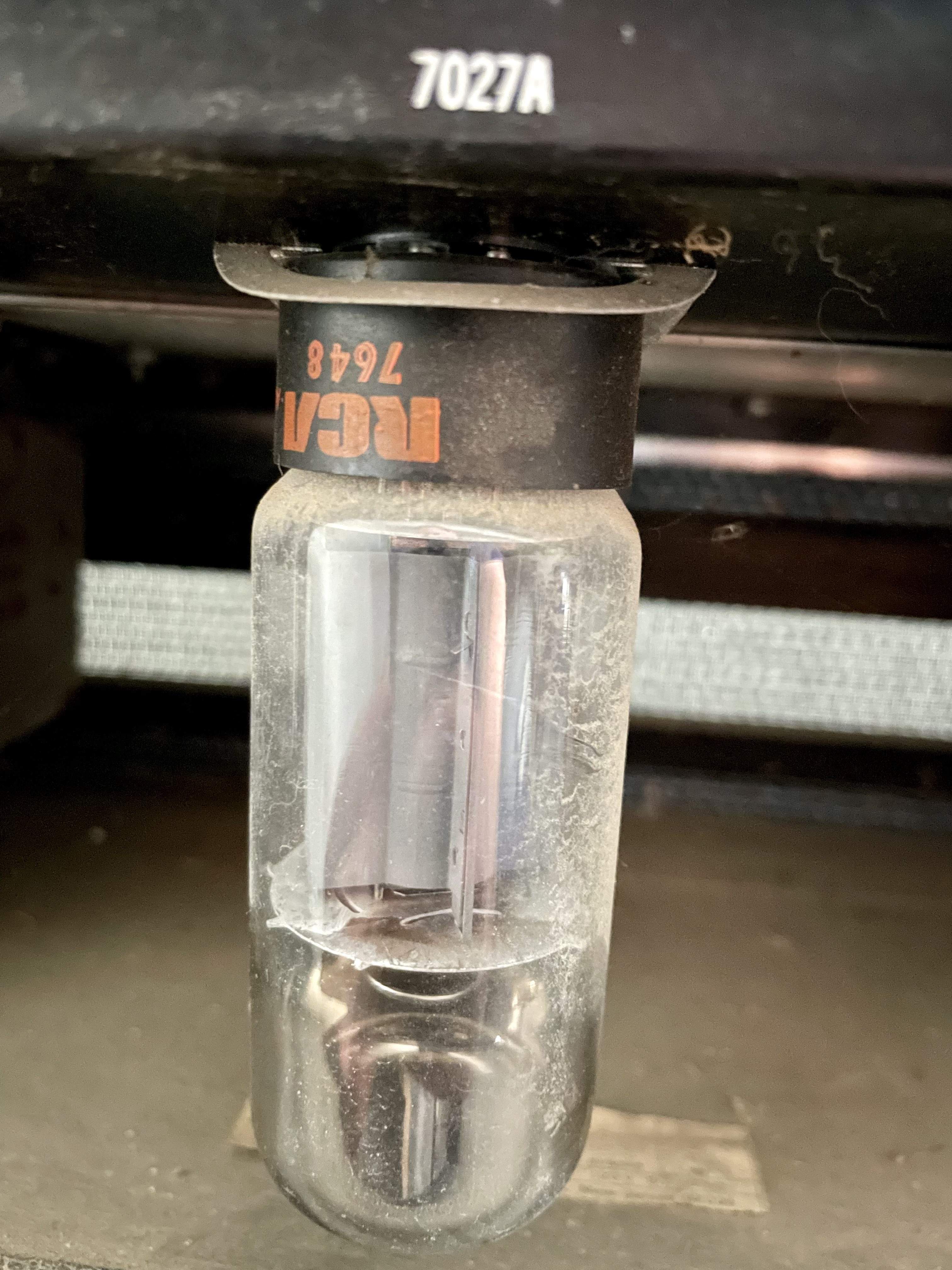
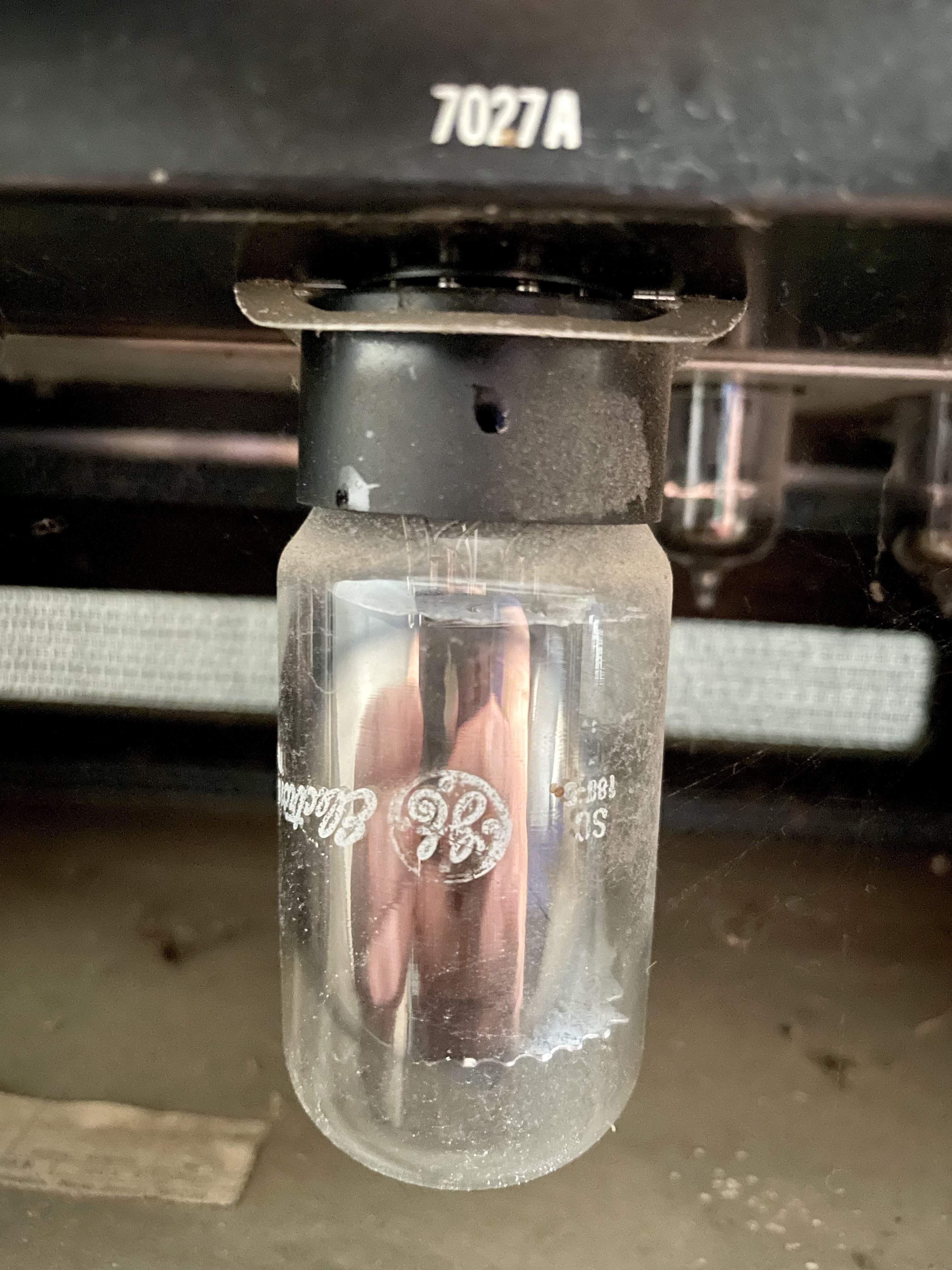
I noticed the RCA is a 7648 and not a 7027... I'm not sure if that's a problem or not; all I know is something's not working!

Thanks in advance!
 
They're fairly simple amps, pretty wide open chassis and easy to work in, but the pcbs can easily be overheated so you'll want to use care. Generally I'd say if you're at all uncertain a pro will get it done fastest and without unnecessary guesswork as to the issue. If you wanted to learn and/or were set on going DIY the B25 isn't a bad place to start.
 
@skeevy, since you say you're not new to working on electronics, try getting in there with a meter. It's possible a part is worn out and no longer in spec. Tubes wear out iirc. Just unplug everything and clean/measure everything. If you don't see the issue then take it to someone. Normally electrical issues are obvious. I'd start with parts that wear out first.
 
Give it a good clean including all sockets etc. Then you can check all the required voltages at the tube sockets and take it from there.
It should have been brought up to voltage slowly when started up first time but that boat has sailed.
Not wishing to insult your intelligence but please don't forget the potentially lethal voltages inside valve amps!
 
I agree, the amp is a potential gem. I highly recommend finding a truly qualified and experienced tech. A few years ago a SFTR dropped into my lap. I've been a tech and rebuilt a few amps some thirty years ago. After thinking about the rebuild a good bit, I decided to instead take the amp to a guy near me, Cage Amplifiers. To Pete it was a "Fender hamburger." He's done bunches of these. His bench time was under two hours, something that would have taken me days. His experience was immeasurable. No unnecessary BS like new tubes, well except the phase inverter that did not survive burn-in. A couple of easy mods that make it better sounding and more flexible. For an old road warrior, it now plays great.
 
The B25-B has been my Ampeg of choice now for 43 years.
I'm not an expert, but I've been told, that it's the same circuit as the old B15, but mounted in a piggyback configuration, with a different cab.( this is where a true expert will probably say I'm wrong)
I personally didn't dig the cab. Kinda anemic sounding, lots of mids and not much low end. So I traded it off to a guitarist for somthin around 1985. Replaced it with a front ported no-name cab and loaded it with a JBL. Boom-bada-bing instant poor man's flip top.
I've logged hundreds of hours of rehearsals and small venue gigs with and still use it.
I had mine serviced around 1990 and replaced the tubes with Sovtecs.
Love my B25..just not the cab.
20180210_165543.jpg
 
I've got that amp too and it's a classic.
Each tube should be individually removed and each pin of each tube should be cleaned with a conductive cleaner. Then the sockets should be cleaned by gently reseating each tube back into the sockets repeatedly.
You might be better off finding a tube amp tech.
Good luck
 
  • Like
Reactions: Patrice B
The B25-B has been my Ampeg of choice now for 43 years.
I'm not an expert, but I've been told, that it's the same circuit as the old B15, but mounted in a piggyback configuration, with a different cab.( this is where a true expert will probably say I'm wrong)
I personally didn't dig the cab. Kinda anemic sounding, lots of mids and not much low end. So I traded it off to a guitarist for somthin around 1985. Replaced it with a front ported no-name cab and loaded it with a JBL. Boom-bada-bing instant poor man's flip top.
I've logged hundreds of hours of rehearsals and small venue gigs with and still use it.
I had mine serviced around 1990 and replaced the tubes with Sovtecs.
Love my B25..just not the cab.
View attachment 5134472

No far off. The power amp is pretty much lifted from the B18N. Uses the same 7199 PI and 7027A power tubes, not sure if the OT is the same, the part numbers were different but that may also have been potted versus non. Some voltages are different if I recall correctly.

The preamp is 12AX7 based rather than octal like the B15/B18, but pretty similar. I found the B25 voiced a little brighter and channel 2 sounded better for bass despite the small differences in circuit.
 
@skeevy, since you say you're not new to working on electronics, try getting in there with a meter. It's possible a part is worn out and no longer in spec. Tubes wear out iirc. Just unplug everything and clean/measure everything. If you don't see the issue then take it to someone. Normally electrical issues are obvious. I'd start with parts that wear out first.
What do you recommend he measure, and why?

If electrical problems are normally obvious, why do folks have so much difficulty properly repairing amps? Maybe it's because most problems aren't obvious???

I've got that amp too and it's a classic.
Each tube should be individually removed and each pin of each tube should be cleaned with a conductive cleaner. Then the sockets should be cleaned by gently reseating each tube back into the sockets repeatedly.
You might be better off finding a tube amp tech.
Good luck

Please don't use anything conductive on the tube pins or sockets. That's a great way to cause a new and destructive problem of creepage flashover due to reduced dielectric strength of the insulating surfaces. Once this starts, it may be impossible to cure.
 
What do you recommend he measure, and why?

If electrical problems are normally obvious, why do folks have so much difficulty properly repairing amps? Maybe it's because most problems aren't obvious???


Please don't use anything conductive on the tube pins or sockets. That's a great way to cause a new and destructive problem of creepage flashover due to reduced dielectric strength of the insulating surfaces. Once this starts, it may be impossible to cure.
I of course defer to the wisdom of the aged horse's mouth and am sorry to be spreading disinformation
 
  • Like
Reactions: MCF and Patrice B
I of course defer to the wisdom of the aged horse's mouth and am sorry to be spreading disinformation
Not total disinformation to be fair. I measure voltage at the valve socket to determine if all the required voltage is there.
If there's no bias voltage for example that points you to checking the supply at the trx then the diode and so forth.
Yes you do need to be careful using cleaner's as aged horse said.
My first thing is clean then visual inspection. A filter cap leaking electrolyte tells you all you need to know about it.
 
  • Like
Reactions: Patrice B
Not total disinformation to be fair. I measure voltage at the valve socket to determine if all the required voltage is there.
If there's no bias voltage for example that points you to checking the supply at the trx then the diode and so forth.
Yes you do need to be careful using cleaner's as aged horse said.
My first thing is clean then visual inspection. A filter cap leaking electrolyte tells you all you need to know about it.
My point is that you need to know what you are looking at, what the expected voltages are and why. This also means understanding electrical safety as it applies to tube guitar amps and following safe test protocols to prevent causing more damage than is already present.
 
My point is that you need to know what you are looking at, what the expected voltages are and why. This also means understanding electrical safety as it applies to tube guitar amps and following safe test protocols to prevent causing more damage than is already present.
Agree that's basic stuff. I have always taught students to think about what they will do with a result and what actions they will take upon the result otherwise it's a waste of resource
( pharmaceutical industry)
Note that I did mention lethal voltages in my previous post that's a duty of care.
What cleaner ( if any) would you recommend?