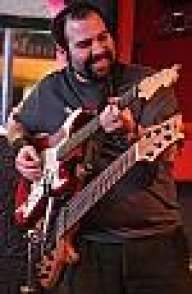
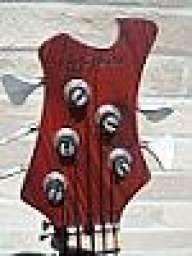
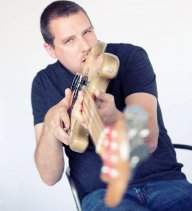
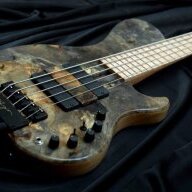
I used to be a set & forget guy, until I got my first bass with an active preamp. Twiddling knobs is now very much a part of my playing. The two things I do most often are roll off the high end during slow/acoustic-y parts, so my string noise doesn't "ruin the moment," and another thing I do a lot is slowly/gradually boost the active bass to make whole notes and breves last longer without losing volume. Sometimes I use the bass boost to get my low notes to feed back intentionally, too, and I use my mid-boost a lot when I'm doing solos. My newest bass has series/parallel switches for each of the dual-coil pickups, which I definitely take advantage of as I feel the whim.
When I'm playing one of my Variaxes, I'll often even change bass models entirely during different sections of songs, and very often from song-to-song, depending on the type of tone I want. If I'm playing a softer ballad, or even just a low chorus or bridge, I'll use the '58 P-bass with flats tone, or '64 Höfner 500/1 with flats tone, etc. For rock songs or upbeat parts of songs, I'll use the '63 P with rounds tone, the '02 MTD 535, the '77 Stingray, the '03 Warwick Thumb, the '03 Modulus Flea, etc. There are a lot of options on that thing and changing sounds can be done in less than a second if you use the knob, or even faster if you use a POD Live XT pedalboard, as I do.
I also adjust my technique extremely frequently. I came to bass from a classical guitar background, and learning how to use the positioning of my hands, nails, pads & tips, etc is the only way to adjust your tone, when you don't have an amp or effects to work with. I would recommend a year or two of classical guitar lessons to ANY serious bass student, before you're "allowed" to use any effects

I don't use any effects really (a touch of compression if the room acoustics are bad, a touch of grit and compression for soloing or for backing distorted guitars), except wah once in awhile for fun.