I've looked for an answer to this question using 'search' over here, but came up empty - so apologies if this is an obvious/redundant question. Most of my time I've played on headphones, and only acquired a cab recently - so this is part of tech is new to me.
Some cabs have two inputs on the back - one labelled as "input" and the other as "link" (example from an EBS cab below). Is there a difference between these two terminals?
I thought that these two are usually just wired in parallel, so it shouldn't matter which one gets used... am I wrong? could a cab get damaged if it accidentally gets connected to the "link" rather than "input" sockets?
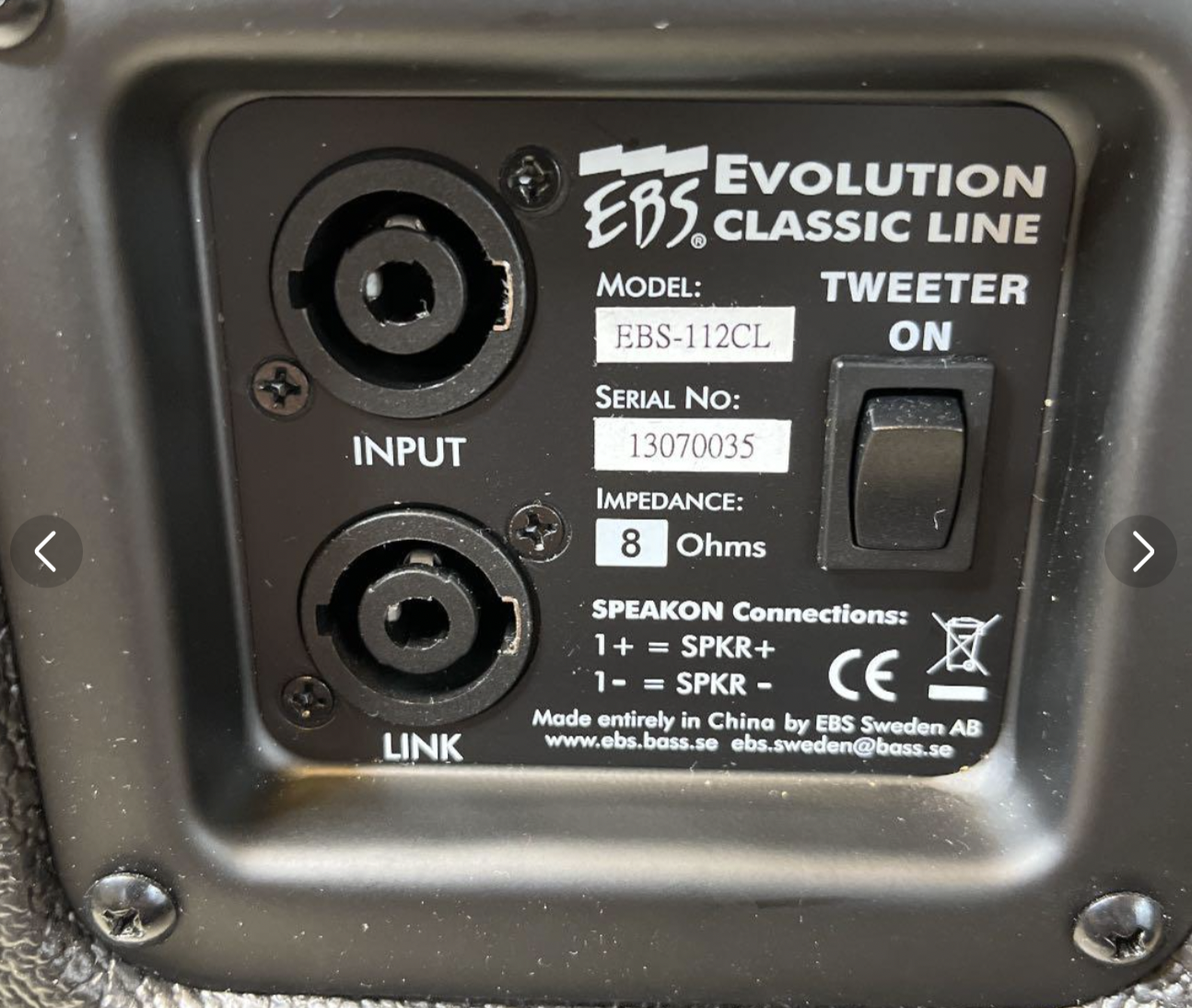
Some cabs have two inputs on the back - one labelled as "input" and the other as "link" (example from an EBS cab below). Is there a difference between these two terminals?
I thought that these two are usually just wired in parallel, so it shouldn't matter which one gets used... am I wrong? could a cab get damaged if it accidentally gets connected to the "link" rather than "input" sockets?