
Enjoy the benefits of a premium membership!
Upgrade Account
-
TalkBass has been independent since 1998. Add your voice.
Create a free account to reply to discussions, view embedded media, and browse with fewer display ads.
Join free Log in
Want zero display ads or expanded classifieds tools? Compare plans.
You are using an out of date browser. It may not display this or other websites correctly.
You should upgrade or use an alternative browser.
You should upgrade or use an alternative browser.
Double Bass Duke Basses
- Thread starter annvald
- Start date
More options
Who Replied?
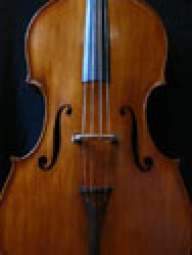

Sorry for updating the old theme. I'm looking for opinions on fiberglass bass sound. Can anyone tell about this?


The Charton c21 has a real top and a composite body. It sounds quite good and also is very free with the bow.Sorry for updating the old theme. I'm looking for opinions on fiberglass bass sound. Can anyone tell about this?

- May 3, 2007
- 1,470
- 1,158
- Disclosures
- Endorsing Artist: D'Addario Strings, Remic Microphones
The Charton c21 has a real top and a composite body. It sounds quite good and also is very free with the bow.
I agree. It was a most satisfying instrument to play.

The Short Answer:
I had the opportunity to play one over a decade ago. I couldn't get over how heavy it was.
The sound had very little sustain and was for lack of an actual word to describe it - Thuddy.
The Long Answer:
Are you looking at purchasing a Fiberglass Bass, or are you interested in a Duke Bass from the original post which is manufactured using Carbon Fiber?
Fiberglass and Carbon Fiber are two very different materials.
Fiberglass is a favorite for boatbuilding due to its inherent flexible properties. Speed boats rely on this flexibility to cruise across choppy waves. This material doesn't translate well to create an instrument that requires rigidity to sustain the resonance of a sound.
While some companies had success using more compact fibers, most that made it to production sounded dead acoustically. If you were amplifying the instrument, it was less of an issue, however, they got a very bad rep due to the lack of acoustic sound quality. You can still find old Roth & Finch basses for around $600 on eBay. I believe there was even one in the classifieds here.
Carbon Fiber has given new life to fabricating composite instruments. In certain situations, it can be more desirable to have a carbon fiber instrument. Heat and cold have very little effect on playability and they are very durable.
Carbon Fiber can be manufactured to have metal-like qualities to the point of ringing like a bell, yet still be very lightweight. I recently heard from a well know symphony cello player that the main complaint about the Louis & Clark instruments is that they are simply too loud in an orchestra setting. Their projection overpowers the section.
I had the opportunity to play one over a decade ago. I couldn't get over how heavy it was.
The sound had very little sustain and was for lack of an actual word to describe it - Thuddy.
The Long Answer:
Are you looking at purchasing a Fiberglass Bass, or are you interested in a Duke Bass from the original post which is manufactured using Carbon Fiber?
Fiberglass and Carbon Fiber are two very different materials.
Fiberglass is a favorite for boatbuilding due to its inherent flexible properties. Speed boats rely on this flexibility to cruise across choppy waves. This material doesn't translate well to create an instrument that requires rigidity to sustain the resonance of a sound.
While some companies had success using more compact fibers, most that made it to production sounded dead acoustically. If you were amplifying the instrument, it was less of an issue, however, they got a very bad rep due to the lack of acoustic sound quality. You can still find old Roth & Finch basses for around $600 on eBay. I believe there was even one in the classifieds here.
Carbon Fiber has given new life to fabricating composite instruments. In certain situations, it can be more desirable to have a carbon fiber instrument. Heat and cold have very little effect on playability and they are very durable.
Carbon Fiber can be manufactured to have metal-like qualities to the point of ringing like a bell, yet still be very lightweight. I recently heard from a well know symphony cello player that the main complaint about the Louis & Clark instruments is that they are simply too loud in an orchestra setting. Their projection overpowers the section.
I stand corrected. Duke does use fiberglass and carbon fiber in its manufacturing process.
In their manufacturing video it shows them laying down fiberglass with carbon fiber as the second layer, then fiberglass on the third layer.
Dropbox - composite_gek_schnell.m4v
The following video demos a variety of their basses paired with their gut-a-like strings line.
The first is their slimline composite "fiberglass" bass.
In their manufacturing video it shows them laying down fiberglass with carbon fiber as the second layer, then fiberglass on the third layer.
Dropbox - composite_gek_schnell.m4v
The following video demos a variety of their basses paired with their gut-a-like strings line.
The first is their slimline composite "fiberglass" bass.
Thanks for answers.
I considered fiberglass instead of plywood. It seemed to me good ideas. I have a fiberglass guitar and it sounds good. Obviously, making bass is much more difficult than guitar. But you need to know that I have a bad understanding of guitars.
Duke's bass looks good in photos and I thought they really made fiberglass sound good. From what I found on the Internet, I see that it is not.
Carbon basses are not so interesting, considering their cost. Perhaps in the 25th century the last tree will disappear and they will become relevant, but now I am not ready to give up wood.
I considered fiberglass instead of plywood. It seemed to me good ideas. I have a fiberglass guitar and it sounds good. Obviously, making bass is much more difficult than guitar. But you need to know that I have a bad understanding of guitars.
Duke's bass looks good in photos and I thought they really made fiberglass sound good. From what I found on the Internet, I see that it is not.
Carbon basses are not so interesting, considering their cost. Perhaps in the 25th century the last tree will disappear and they will become relevant, but now I am not ready to give up wood.

This has been tried before.
I'd observe that having unconventional instruments does definitely encourage independence. People may be able to make a non-wood double bass sound pretty conventional, but it's another application of the 80/20 rule; it is extremely difficult to achieve close to that last 20%. While human hearing is pretty subjective when you get to that point, the visual effect of a non-wood double bass will always attract some people, but it will also put some people off -- and by doing so will open some doors, and close others. If a person can live with that, these unconventional double basses can be great fun to own.
I'd observe that having unconventional instruments does definitely encourage independence. People may be able to make a non-wood double bass sound pretty conventional, but it's another application of the 80/20 rule; it is extremely difficult to achieve close to that last 20%. While human hearing is pretty subjective when you get to that point, the visual effect of a non-wood double bass will always attract some people, but it will also put some people off -- and by doing so will open some doors, and close others. If a person can live with that, these unconventional double basses can be great fun to own.


