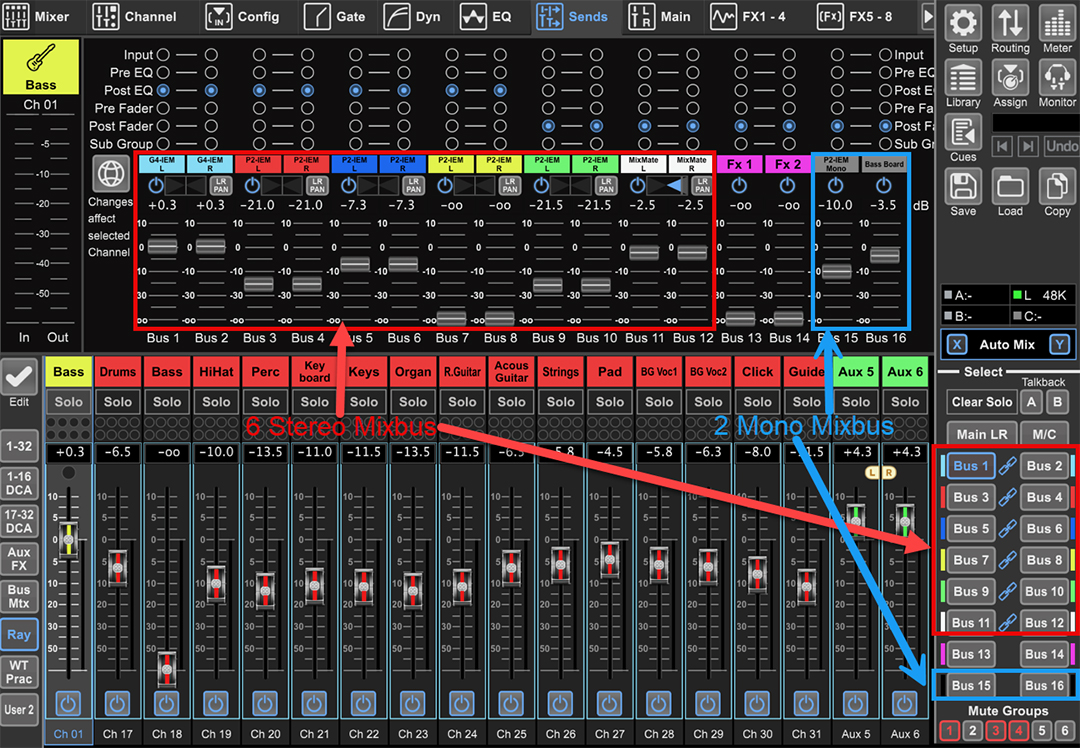
One thing I will caution is that by building your own IEM system, you are essentially doubling the amount of setup and teardown required to get you on and off stage, and if you have band members who refuse to make the switch, then you are tripling the setup and teardown time, because not only are you taking the responsibility for monitoring away from the venue engineer(s), if you have some people on IEM and some who aren't, then you have to now interface your IEM rig with the non-IEM monitoring system of the venue, unless you are also bringing your own non-IEM monitoring rig, as well. The more self-contained you can make your system, the better off you will be.
The mention of "Basic NYC bar gigs (right now) - small stages generally" does not say to me that you are a band that is really in a position to take on this problem, just yet. I would suggest to you that you would do well to talk to engineers at the venues you are likely to be playing to get their input. Ask them if other bands are already doing this at their venue, and what the challenges are that they face when bands turn up with their own monitor rigs. Talk to other bands who are already doing this at the level of venues you are currently playing and want to play, and ask them what they are using and the challenges they are facing when they gig with their own monitor rigs.
Above all, do everything you can to not be "that band" that shows up with too much equipment and not enough expertise in using it and in getting on and off stage expeditiously. Very few things are as frustrating as sharing a venue with people who waste everyone else's time and energy. Running a PA system is not something you should do without practice, and you should take practice at the non-performance aspects of the professionalism of being a gigging musician every bit as seriously as you take practice at the craft of being a player of an instrument.
Best of all would be to hire your own dedicated monitoring engineer and treat them like another member of the band, because their success is your success.
Also, I am *not* a big fan of the idea of each musician controlling their own IEM mix via smartphone, unless they are using devices dedicated to stage use without cellular contracts, and not their ordinary communications devices. Telephones don't belong on stage, in my opinion.
The mention of "Basic NYC bar gigs (right now) - small stages generally" does not say to me that you are a band that is really in a position to take on this problem, just yet. I would suggest to you that you would do well to talk to engineers at the venues you are likely to be playing to get their input. Ask them if other bands are already doing this at their venue, and what the challenges are that they face when bands turn up with their own monitor rigs. Talk to other bands who are already doing this at the level of venues you are currently playing and want to play, and ask them what they are using and the challenges they are facing when they gig with their own monitor rigs.
Above all, do everything you can to not be "that band" that shows up with too much equipment and not enough expertise in using it and in getting on and off stage expeditiously. Very few things are as frustrating as sharing a venue with people who waste everyone else's time and energy. Running a PA system is not something you should do without practice, and you should take practice at the non-performance aspects of the professionalism of being a gigging musician every bit as seriously as you take practice at the craft of being a player of an instrument.
Best of all would be to hire your own dedicated monitoring engineer and treat them like another member of the band, because their success is your success.
Also, I am *not* a big fan of the idea of each musician controlling their own IEM mix via smartphone, unless they are using devices dedicated to stage use without cellular contracts, and not their ordinary communications devices. Telephones don't belong on stage, in my opinion.
Last edited:




 )...
)...