
Enjoy the benefits of a premium membership!
Upgrade Account
-
TalkBass has been independent since 1998. Add your voice.
Create a free account to reply to discussions, view embedded media, and browse with fewer display ads.
Join free Log in
Want zero display ads or expanded classifieds tools? Compare plans.
You are using an out of date browser. It may not display this or other websites correctly.
You should upgrade or use an alternative browser.
You should upgrade or use an alternative browser.
Hulk?
- Thread starter cnltb
- Start date
More options
Who Replied?

The Density Hulk is an impressive sub octave. It can do a real number on a PA and earn you the lasting enmity of a soundman if you’re not careful. 

I’m not too into suboctave effects (got an old BOSS OC-2 for that when I do) but I got a chance to try one of the 4 knob models awhile back when a friend was slimming down his board and trying to decide whether he preferred his DOD Meatbox or the Density Hulk better.
I think I might miss the two knobs that got relegated to trimpots in the smaller footprint version. I found myself tweaking the 30Hz and 60Hz settings for different basses and music. So I’d think if you were using it regularly with more than one bass (or band), that could get inconvenient.
I personally think for the $10 price difference, unless I needed the smaller size for some reason, I’d just go with the original 4 knob model
I’m not too into suboctave effects (got an old BOSS OC-2 for that when I do) but I got a chance to try one of the 4 knob models awhile back when a friend was slimming down his board and trying to decide whether he preferred his DOD Meatbox or the Density Hulk better.
I think I might miss the two knobs that got relegated to trimpots in the smaller footprint version. I found myself tweaking the 30Hz and 60Hz settings for different basses and music. So I’d think if you were using it regularly with more than one bass (or band), that could get inconvenient.
I personally think for the $10 price difference, unless I needed the smaller size for some reason, I’d just go with the original 4 knob model

If you can get a DOD Meatbox reissue, get that. But this is the next best thing and likely much less $$
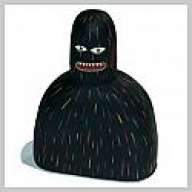
I ordered one. Have been contemplating the Density Hulk for a while now. Another difference is that the output volume has been increased in the new box. When I asked about the "turbo modded" Hulk in the Grinch pedal, Luis said it was a big volume increase and is a mod he could build into the standard Density Hulk for an additional $25. Looks like it's standard in the new version. I just checked and there's only one more pedal available in the initial preorder of 30.

What would you actually use something like that for, aside from playing around at home? I'm kind of confused since it seems like using a HPF would defeat the whole purpose of this pedal. Is this just for players who don't use HPFs?
They communicate?I ordered one. Have been contemplating the Density Hulk for a while now. Another difference is that the output volume has been increased in the new box. When I asked about the "turbo modded" Hulk in the Grinch pedal, Luis said it was a big volume increase and is a mod he could build into the standard Density Hulk for an additional $25. Looks like it's standard in the new version. I just checked and there's only one more pedal available in the initial preorder of 30.
I sent a few emails and NEVER got a reply.
Yes, only one left of the pre order pedals. I guess that 'general release ' will be at the end of September?
I'll have to wait for a bit anyways, until I can buy one.( money...)
I never got the point of HPFs.What would you actually use something like that for, aside from playing around at home? I'm kind of confused since it seems like using a HPF would defeat the whole purpose of this pedal. Is this just for players who don't use HPFs?
Why does one use such a device?

HPF is used to get rid of frequencies that can't be properly reproduced by the sound system. It prevents wastes of energy for the power amp, preserves loudspeakers and keeps the stage from rumbling.
The Meatbox, like all synths will greatly benefit from an HPF, coming out cleaner and punchier. It works over frequencies that are generally higher than the ones cut by the HPF. It also produces lower frequencies that will be blocked by the HPF and wouldn't be heard anyway.
There also are situations where HPFs aren't desired. If you play music that relies heavily on rumbling, like drone or electro you don't use HPF at all, vibrate the wholecrowd and make sure you have a budget to replace woofers.
The Meatbox, like all synths will greatly benefit from an HPF, coming out cleaner and punchier. It works over frequencies that are generally higher than the ones cut by the HPF. It also produces lower frequencies that will be blocked by the HPF and wouldn't be heard anyway.
There also are situations where HPFs aren't desired. If you play music that relies heavily on rumbling, like drone or electro you don't use HPF at all, vibrate the wholecrowd and make sure you have a budget to replace woofers.
Thanks!HPF is used to get rid of frequencies that can't be properly reproduced by the sound system. It prevents wastes of energy for the power amp, preserves loudspeakers and keeps the stage from rumbling.
The Meatbox, like all synths will greatly benefit from an HPF, coming out cleaner and punchier. It works over frequencies that are generally higher than the ones cut by the HPF. It also produces lower frequencies that will be blocked by the HPF and wouldn't be heard anyway.
There also are situations where HPFs aren't desired. If you play music that relies heavily on rumbling, like drone or electro you don't use HPF at all, vibrate the wholecrowd and make sure you have a budget to replace woofers.
So, a sub pedal might infect benefit from an hpf sitting in the same chain...interesting!
Can you recommend any?
Thanks again!
Does the dry signal still come out of the end of the Density Hulk, or is the final sound all subs mixed with no dry? I can't seem to figure it out from videos. I know about the dry out jack, but I'm talking about the dry sound coming thru when using the pedal with the normal in and out jacks?
Last edited:
You've found videos?Does the dry signal still come out of the end of this pedal, or is the final sound all subs mixed with no dry? I can't seem to figure it out from videos. I know about the dry out jack, but I'm talking about the dry sound coming thru when using the pedal with the normal in and out jacks?
Would you post a link?


Sorry, I was just asking the question about the Density Hulk in general, not this new one.You've found videos?
Would you post a link?
Ah, okSorry, I was just asking the question about the Density Hulk in general, not this new one.
HPF is used to get rid of frequencies that can't be properly reproduced by the sound system. It prevents wastes of energy for the power amp, preserves loudspeakers and keeps the stage from rumbling.
The Meatbox, like all synths will greatly benefit from an HPF, coming out cleaner and punchier. It works over frequencies that are generally higher than the ones cut by the HPF. It also produces lower frequencies that will be blocked by the HPF and wouldn't be heard anyway.
There also are situations where HPFs aren't desired. If you play music that relies heavily on rumbling, like drone or electro you don't use HPF at all, vibrate the wholecrowd and make sure you have a budget to replace woofers.
OK, so it does produce enough sound above the high passed frequencies to be worth using. That was the main thing I was wondering. Something to consider in the future, thanks.
Thanks!
So, a sub pedal might infect benefit from an hpf sitting in the same chain...interesting!
Can you recommend any?
Thanks again!
I have a Broughton HPF that I couldn't be happier with. FDeck has a line of them that are popular too, I haven't tried them personally though.
Thanks!
So, a sub pedal might infect benefit from an hpf sitting in the same chain...interesting!
Can you recommend any?
Thanks again!
The interesting thing about HPFs is that they can make your rig sound bassier even though they’re cutting bass frequencies. You can safely cut everything below 35-40Hz and all you’ll be doing is sweeping out some sonic junk your cab can’t reproduce anyway. Not that it won’t try. But the result will be distortion and mud.
HPFs are also somewhat of a set and forget device. You plug it into your signal (usually) toward or at the very end of the chain. Start playing and you’ll find a certain sweet spot on the dial where everything just sounds a lot better. After that, note the setting and pretty much leave it there. It’s that simple. That prevents all those bad lows from hitting your power amp stage. So last pedal in your effects chain - or in the effects loop - is the most usual placement. A HPF has other useful locations in the signal chain too, but we’ll leave that for another day.
As far as brands go, Broughton Audio (TB member Azure Skies) sells one that gets a lot of love around here. That’s the one I use. Highly recommended.

- Oct 29, 2012
- 264
- 683
- Disclosures
- Mesa, Darkglass, EQD, Mantic, Source Audio, Yamaha, Delano, Hamstead Soundworks, Jad Freer Audio
Does the dry signal still come out of the end of the Density Hulk, or is the final sound all subs mixed with no dry? I can't seem to figure it out from videos. I know about the dry out jack, but I'm talking about the dry sound coming thru when using the pedal with the normal in and out jacks?
Both the full size Density Hulk, and the new small sized Hulk allow you to blend the sub octave with your regular sound (via the SUB control, which blends between the sub octave and your regular note) - though it should be noted that the boosts 30hZ & 60hZ are applied to both the original signal and generated sub octave. i.e. there's not strictly a "dry through" if only using the single output.
However by using the DRY OUT on both versions of the pedal allow you to blend things as you desire with an external mixer. Or in my case, I simply run the DRY output through my usual chain/amps, and send the SUB OUT straight to FOH via a DI.
Thanks!The interesting thing about HPFs is that they can make your rig sound bassier even though they’re cutting bass frequencies. You can safely cut everything below 35-40Hz and all you’ll be doing is sweeping out some sonic junk your cab can’t reproduce anyway. Not that it won’t try. But the result will be distortion and mud.
HPFs are also somewhat of a set and forget device. You plug it into your signal (usually) toward or at the very end of the chain. Start playing and you’ll find a certain sweet spot on the dial where everything just sounds a lot better. After that, note the setting and pretty much leave it there. It’s that simple. That prevents all those bad lows from hitting your power amp stage. So last pedal in your effects chain - or in the effects loop - is the most usual placement. A HPF has other useful locations in the signal chain too, but we’ll leave that for another day.
As far as brands go, Broughton Audio (TB member Azure Skies) sells one that gets a lot of love around here. That’s the one I use. Highly recommended.
I'll look at the broughton, but don't SFX do one too, that 'Thumpydumpy' or whatever it's called...?
No pots or switches at all...I like simple
.


