• TalkBass has been independent since 1998. Add your voice.
    Create a free account to reply to discussions, view embedded media, and browse with fewer display ads.
    Join freeLog in
    Want zero display ads or expanded classifieds tools? Compare plans.

Double Bass Lidl 5/35 project bass- advice please!

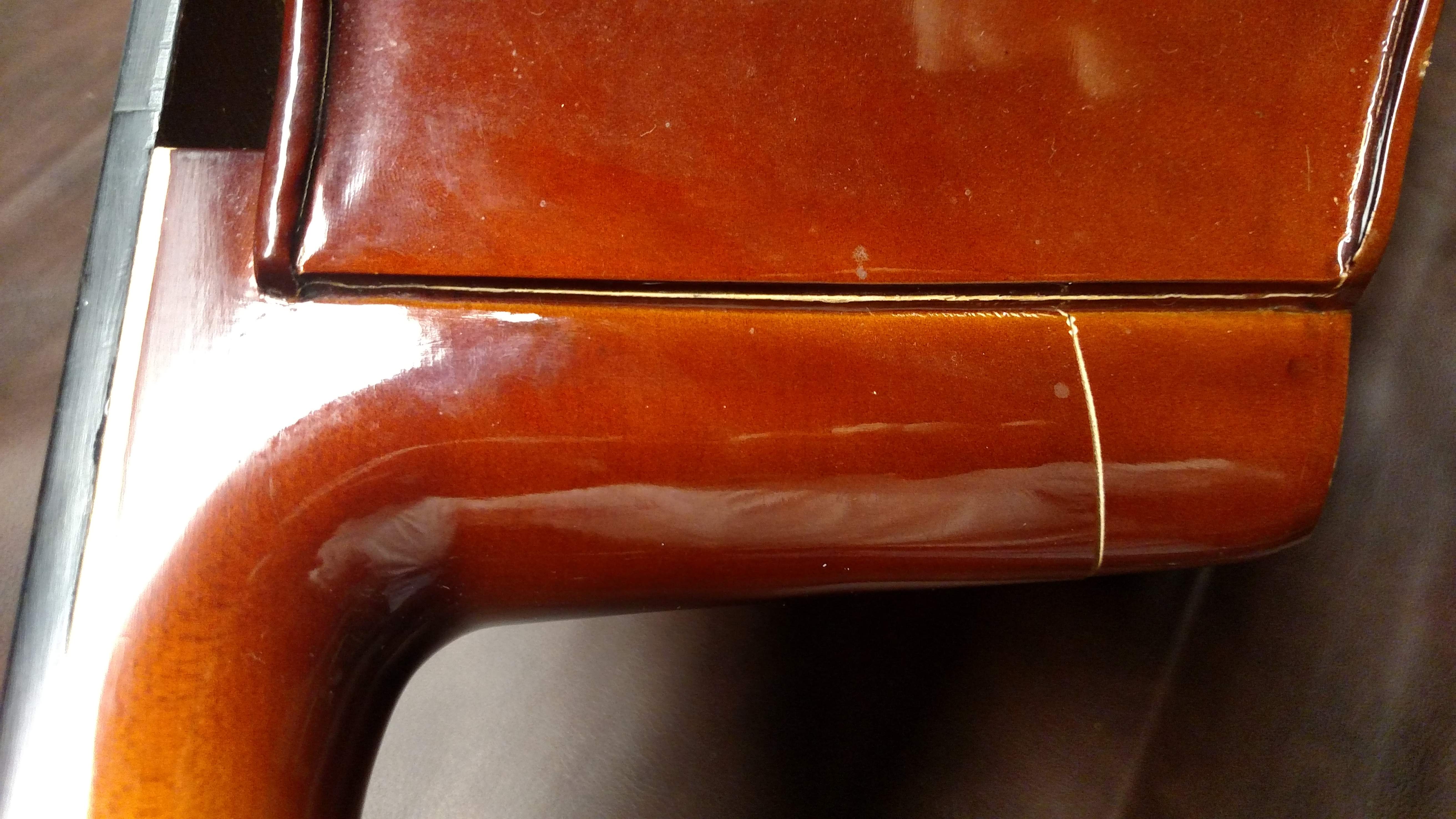
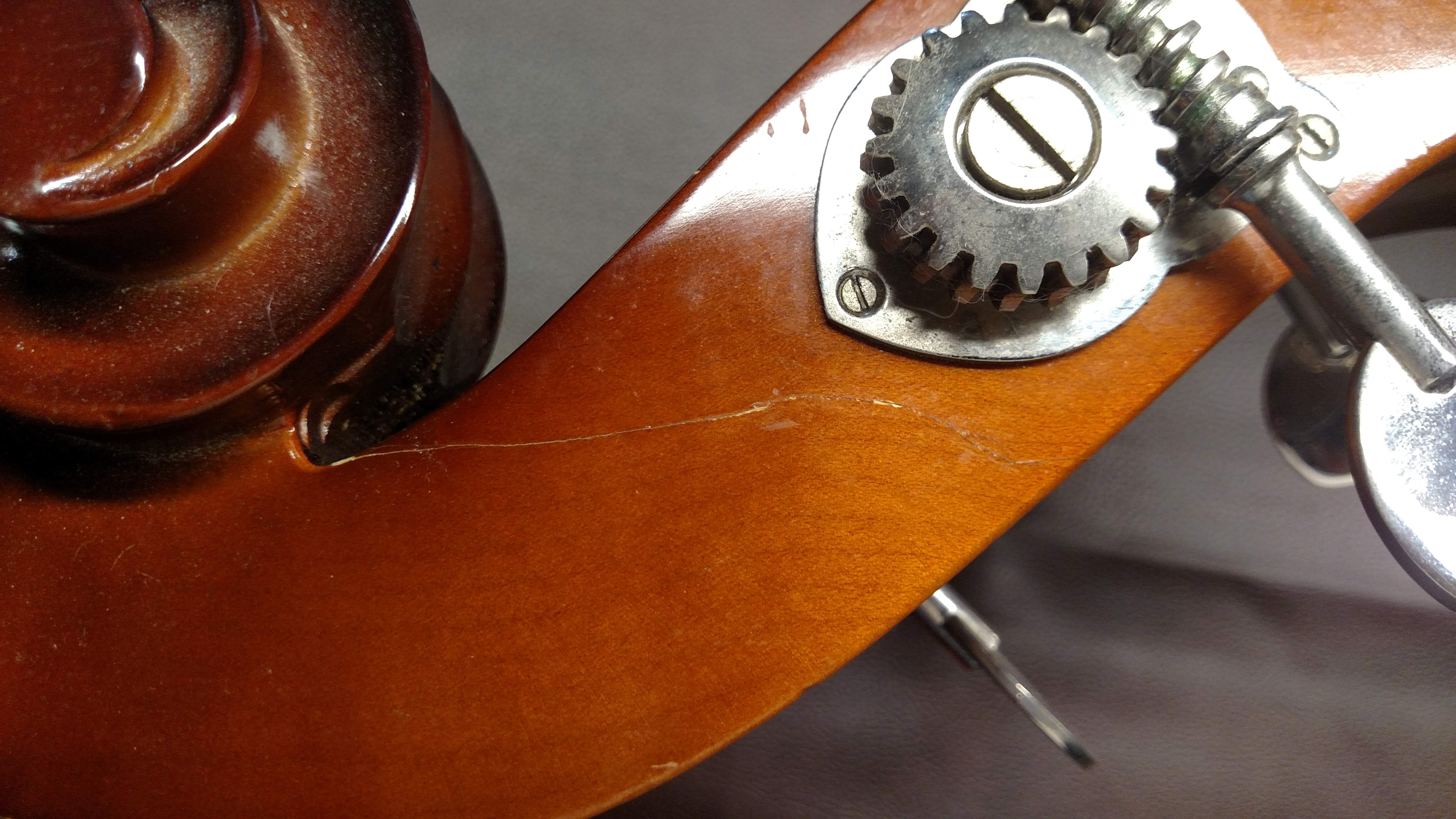
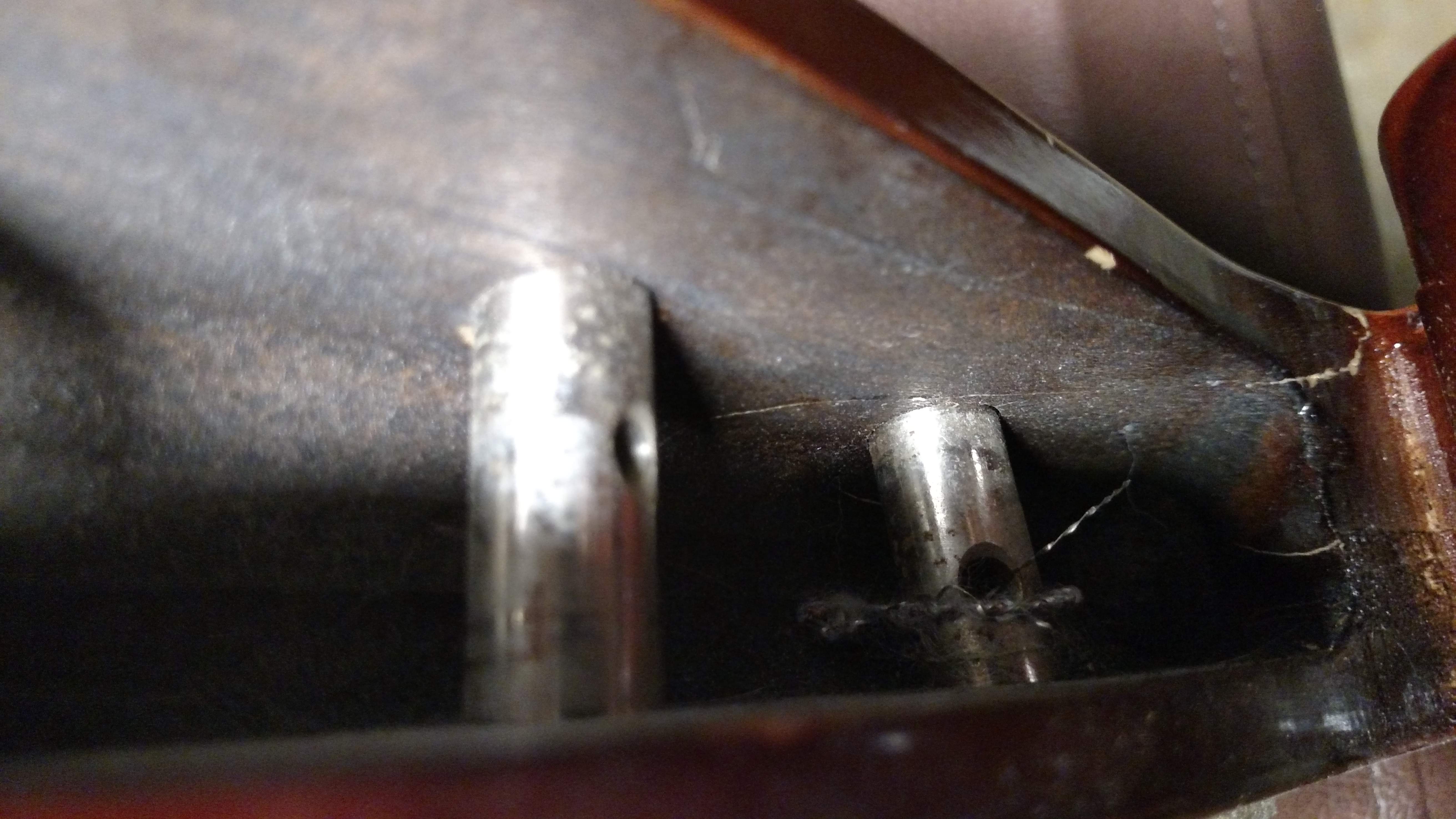
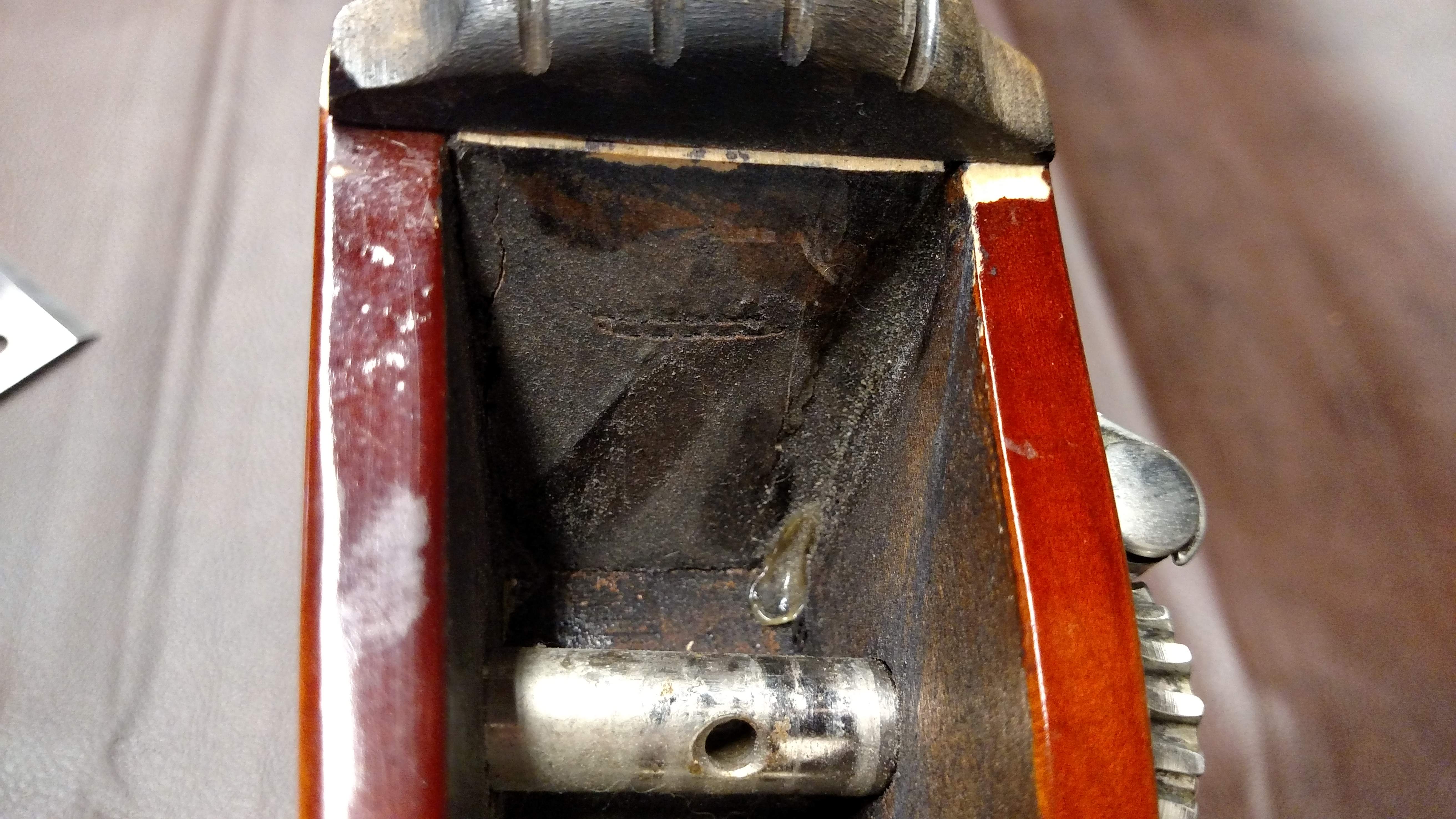
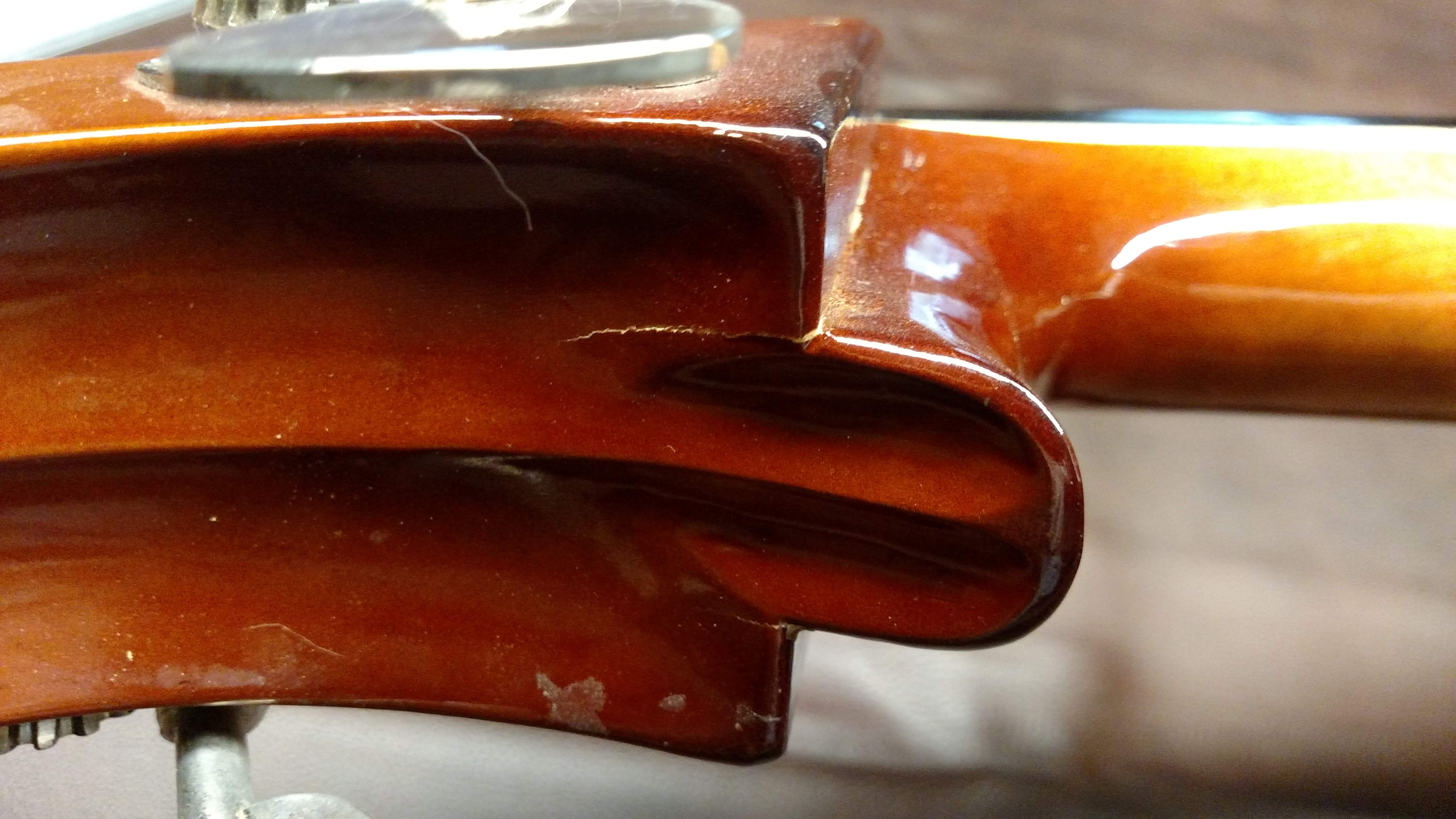
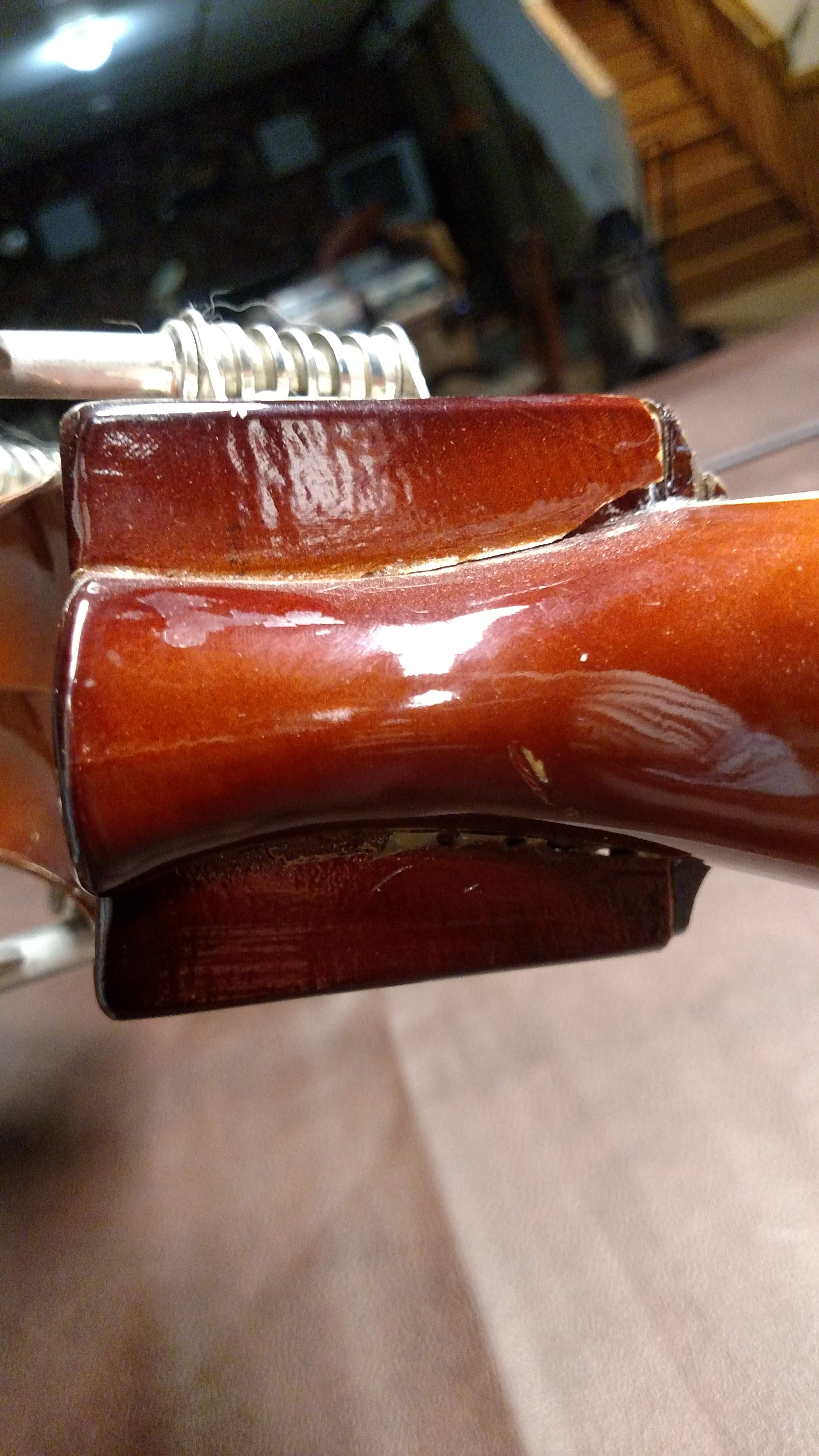
Hello all. I picked up a Lidl 5/35 bass from a school auction for a very minimal investment. Although It has some obvious neck issues, the rest of the instrument is in good condition. Since these basses have a reputation of being tanks (first time I picked it up I now know why) I decided I would fit bridge, string it up with a low tension string and go from there. I tried to get some movement from the neck joint but it wouldn't budge.The crack in the finish along the heel is on the E string side only. G side is intact. Closer examination of the peg box revealed more issues that I originally thought. So I'm holding off for now on putting any tension on it until I get some further insight. Thanks in advance for any help! Lidl3.jpg Lidl2.jpg Lidl1.jpg Lidl5.jpg Lidl6.jpg Lidl4.jpg
Lidl3.jpg
Lidl2.jpg
Lidl1.jpg
Lidl5.jpg
Lidl6.jpg
Lidl4.jpg
 
Maybe you don't feel movement, but the cracks in the varnish are tell-tale signs of places where it has had movement (during a fall, probably). Elsewhere the parts are still attached, providing some strength & stiffness, but expect overall structural integrity to be jeopardised. Particularly the neck joint is worrying, and the crack propagating along the back (and the top?) may indicate the block is cracked.

It may hold string tension, it may not. If it does, no clue how long for. It would worry me.

Filling closed deep cracks like this is very difficult. Consider re-necking, thus allowing inspection/ repair of the block.
 
Maybe you don't feel movement, but the cracks in the varnish are tell-tale signs of places where it has had movement (during a fall, probably). Elsewhere the parts are still attached, providing some strength & stiffness, but expect overall structural integrity to be jeopardised. Particularly the neck joint is worrying, and the crack propagating along the back (and the top?) may indicate the block is cracked.

It may hold string tension, it may not. If it does, no clue how long for. It would worry me.

Filling closed deep cracks like this is very difficult. Consider re-necking, thus allowing inspection/ repair of the block.

Thank-you Ortsom. Yes ultimately I believe you are correct. Fortunately I have other basses to play and am a hobbyist like you so I thought it would be interesting to string it up, see what I'm working with and triage the repairs, taking note along the way of any improvement/ change. The neck block looks intact from underneath but is it what I don't see where the problem (with the neck joint anyway) may be? I'm considering removing the fingerboard and pinning the neck as described in the Weisshaar book. For the practice if nothing else. What are your thoughts about the pegbox?
  1. Swing hard/ strive for tone
    jsf729, A moment ago Edit Delete Report Bookmark
    #4 + Quote Reply


271368.jpg


Home Forums > Double Bass > General Forums [DB] > Setup & Repair [DB] >
 
The crack at the scroll won't bother me, but the lower end of the pegbox doesn't look as it could hold the tension.
I'm no expert in repair, but with a new neck you would be safe. I'm not sure if the pegbox could be repaired (at least with an effort that makes sense).
Thanks DM. Yeah, I didn't notice that at first, just the crack in the scroll. Frankly, I'm just interested in hearing the bass ASAP if possible. Then I'll decide on hows much I want to experiment around vs. new neck
 
For keeps, I would definitely take the neck off & thoroughly inspect the block. Make a gizmo to apply load widening the mortise while you can still see it, and see what happens under load (not excessive). Maybe you can repair it in-situ, otherwise it's major surgery. I fear it may have to come to that. The crack between the rib and the back is clear, but it seems the seam between the top & the rib also shows a crack. The rib is probably still properly attached to the outer part of the block, but that would mean that the connection between the block & the top & back is at least partly lost. For now I can't completely see how the repair would best go, but my initial approach would be to take the neck off. FB first indeed.

Yes, before all that, I would also like to hear what I had bought (although this sure looks like an interesting box; congratulations on your find!). Be prepared that the heel joint may break, or that the pegbox catapults off. Prior to tensioning, use masking tape to make a bumper at the end of the FB (from cloth or neoprene or so), to prevent damaging the top. Wrap a towel around the pegbox. Maybe also some cloth + tape around the end of the TP. Consider first tensioning only 2 or 3 strings. SP OK?

The pegbox (hence the entire neck) can be saved, if you so wish. The choice is yours, depending on the cost of another neck & your view on the value of the instrument after the repair. Of course a pristine neck will enhance the value, but then the last chunk of heel needs also to be removed from the mortise (if keep same, I would probably leave that).

The crack in the pegbox cheek just below the scroll is insignificant; it gets little load. I do not know how to fill such a narrow crack with HHG, it will require opening-up & shimming, or a graft. Those would be the conventional approaches. Alternatively you can consider flooding w/ CA, that is easiest but it would not be my first choice. Rather than CA, I would prefer using a 1-component PU (low foaming). Put some in a syringe, and make a seal from a piece of rubber on the tip of the syringe, so that you can inject it into the crack (by pushing onto the outside). Start somewhere in the middle of the crack, and inject (bending it open with your other hand, as much as it goes) till you see it coming out on the inside, and work the entire crack likewise. If the viscosity is too high, use a very little bit of acetone to dilute, and mask the area outside the seal & inside the pegbox. When properly flooded, wipe & clamp lightly. (It may also work to massage the PU in with your finger, but you may not get deep enough due to the low pressure achieved that way. Use gloves. Messy job.)

The fracture at the pegbox heel gets full string load, hence is significant. Do not use a foaming PU here, and certainly no quick epoxy. Looking at the cracks in the back of the pegbox, breaking it to gain access does not seem a good idea. I'd probably open it up & and shim it with HHG, and add reinforcements on the inside (like in my last pic in Putting the head back on , or triangular reinforcements if you prefer). I don't advise using dowels or screws, though you do see those used in situations like this. You could consider using a slow epoxy without opening-up, but the problem is getting it in. In either case, the contaminating old glue has to be removed first.

Just my views, hopefully there are others.
 
Funny, I never heard of Lidl basses before. Lidl is also the name of a popular small supermarket chain in western Europe, which sometimes sells instruments like 50 Euro violins, guitars, and keyboards. So far, I've never seen a bass in their "Wochenangebot" circular, but I wouldn't be all that surprised if I did:)
 
For keeps, I would definitely take the neck off & thoroughly inspect the block. Make a gizmo to apply load widening the mortise while you can still see it, and see what happens under load (not excessive). Maybe you can repair it in-situ, otherwise it's major surgery. I fear it may have to come to that. The crack between the rib and the back is clear, but it seems the seam between the top & the rib also shows a crack. The rib is probably still properly attached to the outer part of the block, but that would mean that the connection between the block & the top & back is at least partly lost. For now I can't completely see how the repair would best go, but my initial approach would be to take the neck off. FB first indeed.

Yes, before all that, I would also like to hear what I had bought (although this sure looks like an interesting box; congratulations on your find!). Be prepared that the heel joint may break, or that the pegbox catapults off. Prior to tensioning, use masking tape to make a bumper at the end of the FB (from cloth or neoprene or so), to prevent damaging the top. Wrap a towel around the pegbox. Maybe also some cloth + tape around the end of the TP. Consider first tensioning only 2 or 3 strings. SP OK?

The pegbox (hence the entire neck) can be saved, if you so wish. The choice is yours, depending on the cost of another neck & your view on the value of the instrument after the repair. Of course a pristine neck will enhance the value, but then the last chunk of heel needs also to be removed from the mortise (if keep same, I would probably leave that).

The crack in the pegbox cheek just below the scroll is insignificant; it gets little load. I do not know how to fill such a narrow crack with HHG, it will require opening-up & shimming, or a graft. Those would be the conventional approaches. Alternatively you can consider flooding w/ CA, that is easiest but it would not be my first choice. Rather than CA, I would prefer using a 1-component PU (low foaming). Put some in a syringe, and make a seal from a piece of rubber on the tip of the syringe, so that you can inject it into the crack (by pushing onto the outside). Start somewhere in the middle of the crack, and inject (bending it open with your other hand, as much as it goes) till you see it coming out on the inside, and work the entire crack likewise. If the viscosity is too high, use a very little bit of acetone to dilute, and mask the area outside the seal & inside the pegbox. When properly flooded, wipe & clamp lightly. (It may also work to massage the PU in with your finger, but you may not get deep enough due to the low pressure achieved that way. Use gloves. Messy job.)

The fracture at the pegbox heel gets full string load, hence is significant. Do not use a foaming PU here, and certainly no quick epoxy. Looking at the cracks in the back of the pegbox, breaking it to gain access does not seem a good idea. I'd probably open it up & and shim it with HHG, and add reinforcements on the inside (like in my last pic in Putting the head back on , or triangular reinforcements if you prefer). I don't advise using dowels or screws, though you do see those used in situations like this. You could consider using a slow epoxy without opening-up, but the problem is getting it in. In either case, the contaminating old glue has to be removed first.

Just my views, hopefully there are others.

Sage advice Ortsom. I do plan on experimenting a bit with string load. SP is intact. Ultimately the neck is coming off. Fortunately the FB is a nice piece of ebony with plenty of meat so can be reused. I'll still be way ahead even with a new neck.
I'd like to share how I acquired the bass. I buy cellos in any condition to experiment on. Usually they are pretty beat up. There was a an online auction for 3 "cellos" accompanied by a picture. All were missing bridges and tailpieces. In the picture was a cello flanked by 2 other "cellos". The other "cellos" had tuning gears and were gamba shape- obviously basses. But since I didn't know if the middle cello was 1/2, 3/4 or full I could only gauge the scale of the basses relative to the cello. Regardless, I bid away and won. Upon pickup, the cello was a full size Scherl & Roth solid top (cracked). The first bass to come out was the Lidl. The 2nd bass- a 1939 Kay (thread to follow one of these days)! The cost of all 3 was less than the cost of a set of Helicore Hybrids and a 2 hour drive. So I think I did OK!
 
  • Like
Reactions: SAlcott
Funny, I never heard of Lidl basses before. Lidl is also the name of a popular small supermarket chain in western Europe, which sometimes sells instruments like 50 Euro violins, guitars, and keyboards. So far, I've never seen a bass in their "Wochenangebot" circular, but I wouldn't be all that surprised if I did:)
I could only imagine the bassists shopping list:
1) Beer
2) Peanut Butter
3) Crackers
4) Hybrid Bass
5) Lottery Ticket
 
I'm sorry I'm late to the game here. If you haven't gotten it repaired yet, may I recommend it?

I have a LIDL 5/35 and it is an awesome sounding, working man's hybrid bass. I bought mine new in 1995, and it's needed very little maintenance over the past 22 years. It is a tank as you put it. And it's a testament to Czech craftsmanship.

I just strung up some Spirocore S42's and the bass has a nice, deep, dark, rich tone with some decent growl. I like the D'Adarrio Heavy Pizzicato strings on it too. They add more depth and boom to the sound with the same amount of tension, but they are not quite as bright as the Spirocores.

I can't quite remember how much I paid in 1995, but I think it was around $2500 for the bass (including import fees) and another few hundred to have it setup professionally. It's been a great player, steady as rock. And when compared to other basses in the 2k to 5k range, I think it sounds better and more even toned all the way through the range.

Look up the Strunal 5/35, it is the same bass. https://www.google.com/url?sa=t&rct...jFTesL-Pw&sig2=63mTAcsYIkvMggC_z0hYzA&cad=rja

Best of luck,
Henry
 
  • Like
Reactions: Povl Carstensen
I'm sorry I'm late to the game here. If you haven't gotten it repaired yet, may I recommend it?

I have a LIDL 5/35 and it is an awesome sounding, working man's hybrid bass. I bought mine new in 1995, and it's needed very little maintenance over the past 22 years. It is a tank as you put it. And it's a testament to Czech craftsmanship.

I just strung up some Spirocore S42's and the bass has a nice, deep, dark, rich tone with some decent growl. I like the D'Adarrio Heavy Pizzicato strings on it too. They add more depth and boom to the sound with the same amount of tension, but they are not quite as bright as the Spirocores.

I can't quite remember how much I paid in 1995, but I think it was around $2500 for the bass (including import fees) and another few hundred to have it setup professionally. It's been a great player, steady as rock. And when compared to other basses in the 2k to 5k range, I think it sounds better and more even toned all the way through the range.

Look up the Strunal 5/35, it is the same bass. https://www.google.com/url?sa=t&rct=j&q=&esrc=s&source=web&cd=6&ved=0ahUKEwjC5c6n_6bOAhUpIMAKHfXRD50QFgg9MAU&url=http://strunal.cz/dokumenty/strunal_catalogue.pdf&usg=AFQjCNEdgtJLn9shlkTMx92SzjFTesL-Pw&sig2=63mTAcsYIkvMggC_z0hYzA&cad=rja

Best of luck,
Henry
Never too late Henry! Thank-you for the feedback. I agree with your string analysis. That has been my experience but I used the medium D'Addarios.. That's next on the bench after I finish my "65 Kay. I suspect that it will be my main "go to" bass after it's done. Best regards