He's not talking about transcription, which is translating the audio notes heard to written notation on the staff. He's using the word "transcribing" as learning to play by ear. Thats memorization, not transcribing. (Not that theres anything wrong with that!)
Memorization can lose its luster for some due to the limits it places on our playing and once you've had some success at playing these memorized lines, not knowing where to go next. It could also be you've run out of music in whatever style that you've been working on.
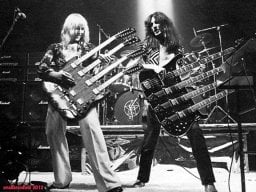
Once I realized learning really good basslines (yeah the ones I've been sick of hearing all my life) was actually providing me with a useable Bass Vocabulary, I could move onto to use in other songs, backing tracks, jam with friends, band performance, etc. Relating great basslines by Rainey or Geddy or Jaco to their Chord tone context, time and syncopation and dynamics variation is key. I got sick of memorizing them early on and took lessons where I was taught while I thought I was bored because it was too simple, I wasnt understanding WHY they sounded great. So I was taught to get even simpler about it. Find the 4 beat - single measure bassline that you think is the hook, the really good stuff, and break it down like this to find out why:
- What is the Chord of that measure?
- What are the bassnotes and are they actual chordtones, chromatic leading tones, Scaletones, etc?
- Where are the notes placed compared to the kick drum, what does that create? (IE Groove, drive, swing, etc.)
- How long is each note?
- Where is it placed in the 4 beat and subdivisions?
Its somewhat formulaic, however with Jazz the great Bass line formulas are endless. Once I found the WHY it sounded great, I learned to incorporate that where it would work in other music or other keys. then the journey begins again, and again.....