• TalkBass has been independent since 1998. Add your voice.
    Create a free account to reply to discussions, view embedded media, and browse with fewer display ads.
    Join freeLog in
    Want zero display ads or expanded classifieds tools? Compare plans.

Double Bass Messiah - Handel

Sep 24, 2011
1,335
318
Hi all

few questions on this..
1. is bar 6 for a divisi section?
2. is bar 11 (and where in treble cleft) in thumb position?
3. Why is tasto solo used anyway? I get the meaning, tasto solo is the same as n.c. (no chord) in a modern pop score but why some people also say "play the note, and don't harmonise it."??

Regards to all
 

Attachments

  • Capture.JPG
    Capture.JPG
    51.9 KB · Views: 131
This is not the part for cello/double bass. This is the figured bass line for the continuo/harpsichord player as indicated by the numbers below the staff for figured bass. If you view the correct part you will not see these elements.

- Steve
 
  • Like
Reactions: neilG
"Tasto solo" is used here because it's the first statement of the fugue subject. It's just bass singers and "basso" here. There is no harmony go go with it. One would think any continuo player of the time would have known not to fill in harmony, but maybe not.
 
Txs Steve, is this the correct one then: Invalid Link Removed

I've never played it from a handwritten score like that. That part is marked "Contrabbasso", but I still see figured bass that suggests it's also a continuo part.

The modern editions I've seen include one part for both cello and bass and several "senza ripieno" and "con ripieno" markings to indicate when only one person at each stand should play during certain passages. I always found it challenging as the bass line is relentless. It never stops!

- Steve
 
Last edited:
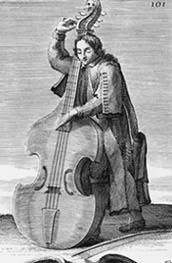
To me, in a way it is, Neil..In my (very) limited knowledge, from the early days our instrument had been in search of a role so to speak. For some historians, and as you would in doubt know already, in the 16th and 17th centuries the double-bass had not yet found its niche in the orchestra. It was not until around 1700 that the double-bass was accepted into the opera orchestra. So I am slightly amused when I hear comments like "the big basses only played the choruses" equating to the "lesser" role that the instrument may have played in those days. Unless of course, the instrumentation required no double basses, thus the origin of your comment (most likely).

Ubj maior, minor cessat.
 
Maybe not a lesser role, but a matter of tone or volume. Here's a part from the period that only has the choruses in a part labelled "contrabbasso". That might have been the fashion just for Handel, or just what was done in London at the time. It would be interesting to know if there are any other individual parts out there.