No, it's not a secret agent for the USSR, but it might as well be from its minimal web presence. I found this little gem at Trade Up here in a Portland on a quest to replace my dearly departed practice amp, after a brief period of grieving.
I eyed it with the keyboards. It was love at first sight, especially the badge, so I grabbed a bass, plugged it in, and my love only grew. Thick and deep, way more power than the ol' practice station needs. EQ settings for guitar and bass both sound good. Almost a minibrute vibe with the tweet disabled. So I bonked it on the head with $169 and carried it back to the practice cave.
Anyone know anything about these amps or the company? Looks well pre-internet (late 70s or early 80s?) and there's virtually zip out there.

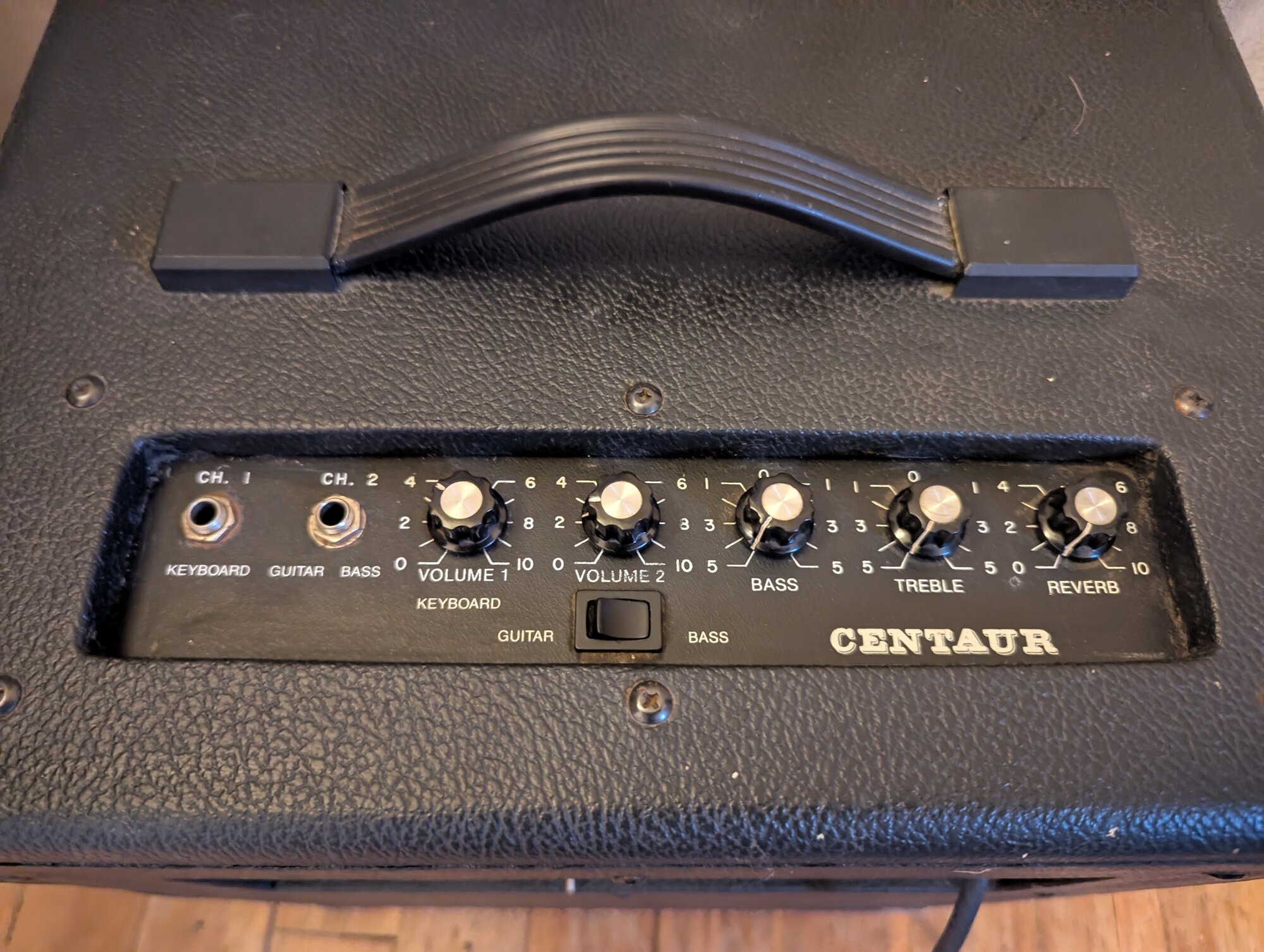
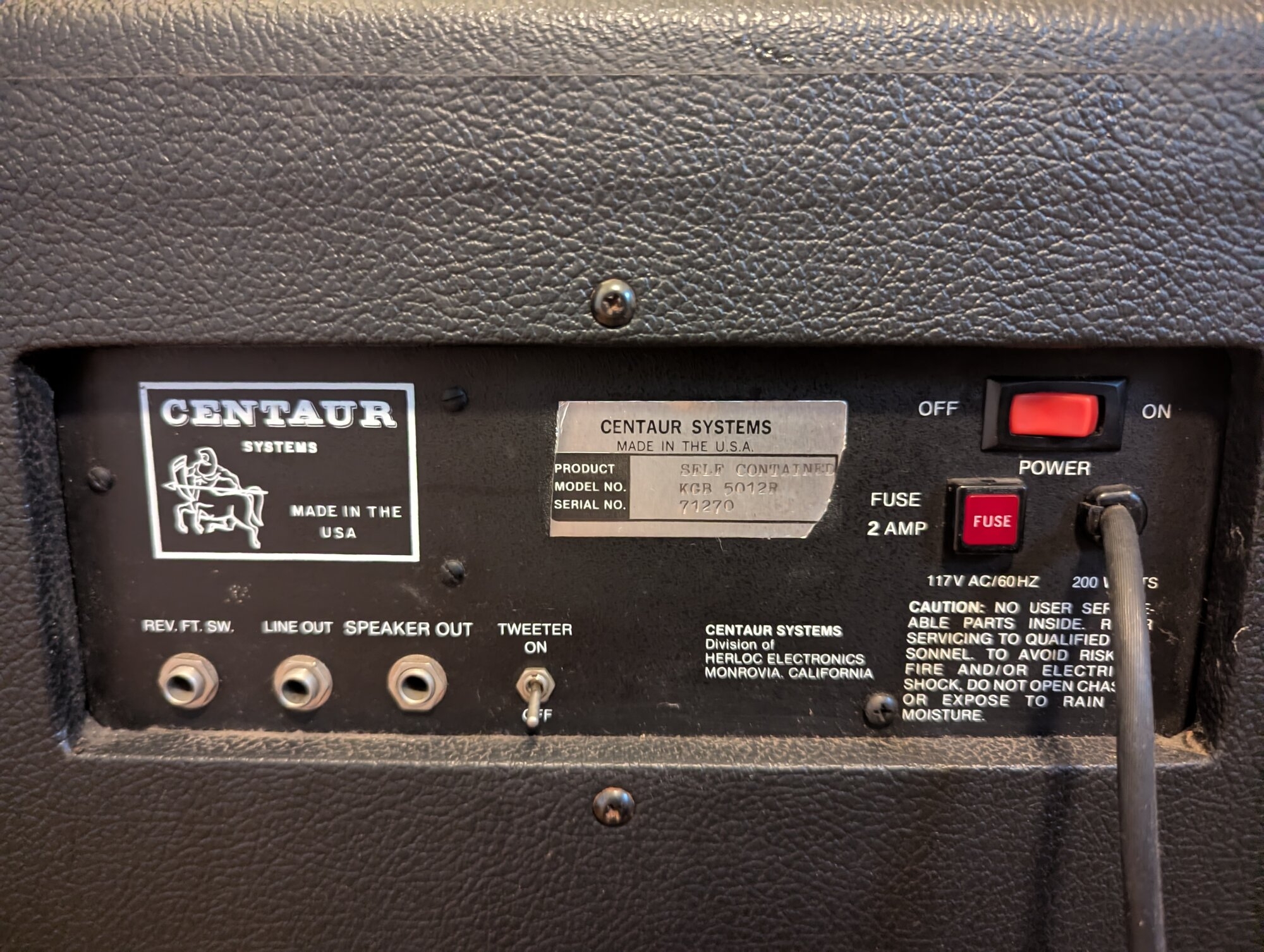
Edit: model number in subject, for posterity
I eyed it with the keyboards. It was love at first sight, especially the badge, so I grabbed a bass, plugged it in, and my love only grew. Thick and deep, way more power than the ol' practice station needs. EQ settings for guitar and bass both sound good. Almost a minibrute vibe with the tweet disabled. So I bonked it on the head with $169 and carried it back to the practice cave.
Anyone know anything about these amps or the company? Looks well pre-internet (late 70s or early 80s?) and there's virtually zip out there.
Edit: model number in subject, for posterity
Last edited: