I've done it both ways. While it really depends on the drummer, there is a lot of effect that the rest of the band can have on things if they record to a click. Playing drums to a click is a skill, just like double stroke rolls and four limb independence, but if the bass player and rhythm guitar aren't on, it doesn't matter how good the drummer is.
When I record a band that I'm not in, I generally assume that they are going to play better as a cohesive unit than trying to force a click on them. There are exceptions to this (ie: if they typically play to loops) but it's usually true that there is a certain amount of push/pull that's developed in the songs throughout the months or years that they've been playing together. I want to capture that, because it sounds "real" and because it messes with everyone if they're used to it and it isn't there.
So I bring the whole band in to my house or wherever they manage to get recording space, mic the heck out of the drums, DI the bass, and then mix everything else down to a single mono channel for a guide track. I always shoot for the best drum take rather than best anything else and we go until all of the drum tracks are solid.
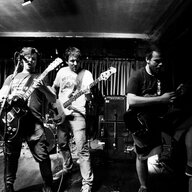
After all of the drums are okayed (and I never let the drummer okay a track the same day he/she plays it), I have guitarists and bassists back another time, along with keys if they've got them. For this one I put the guitar amps in the same room with a baffle between them and mic the heck out of the amps. I like to put the bass amp in there and mic that up too if there's enough space for it to sound good without a fight for volume, but sometimes there just isn't. The guitarists and bassist record along with the existing drum tracks, and by the end of this I've got two bass tracks: one with DI and the drums, one with a mic'd amp and the guitars. I also have two channels per guitar amp (front and back of the cab), a room mic about 10' in front of the guitar amps for ambience, and DI'd guitar for later reamping. Having these two bass tracks allows for picking the best obviously, but usually the bass player is good enough and the band is tight enough that I can blend the two with some judicious mixing and get as thick a tone as I like.
After guitars and keys come the violins/horns/woodwinds/harmonica/whatever. I've played in two bands with violinists now and if you take anything from this post, don't *ever* try to do a live recording of a full band with a violinist if he or she has veto power.

By this point I've got enough to do rough instrumental mixes with, and depending on what everyone's schedule looks like we do either vocals or guitar/key overdubs. I try to avoid bass overdubs at this point. If they/I haven't nailed it after two separate sessions worth of recording, they need more help than overdubs can offer.
When I do it this way, there is enough overlap between the drum and guitar sessions to make it sound "organic" (with the bass player holding it together, naturally) but there is a lot less pressure on the individual members to deliver.
Some bands don't like doing it this way, and usually these are the ones who can make it sound good even if everyone is doing their parts individually so it's no big deal.
If you've ever heard Ayreon, that stuff is recorded twice: Arjen Lucassen programs the drum tracks and then lays down all guitar/bass/keys/guide vox, and he records drums along with that finished recording. Then with the acoustic drum tracks he redoes everything. Then he brings in vocalists after all instrumental stuff is finalized. I've wanted to try this method out for a while, but it's kind of an odd setup that really requires a lot of time and a decently outfitted home studio.