just to resurrect a bit this topic.
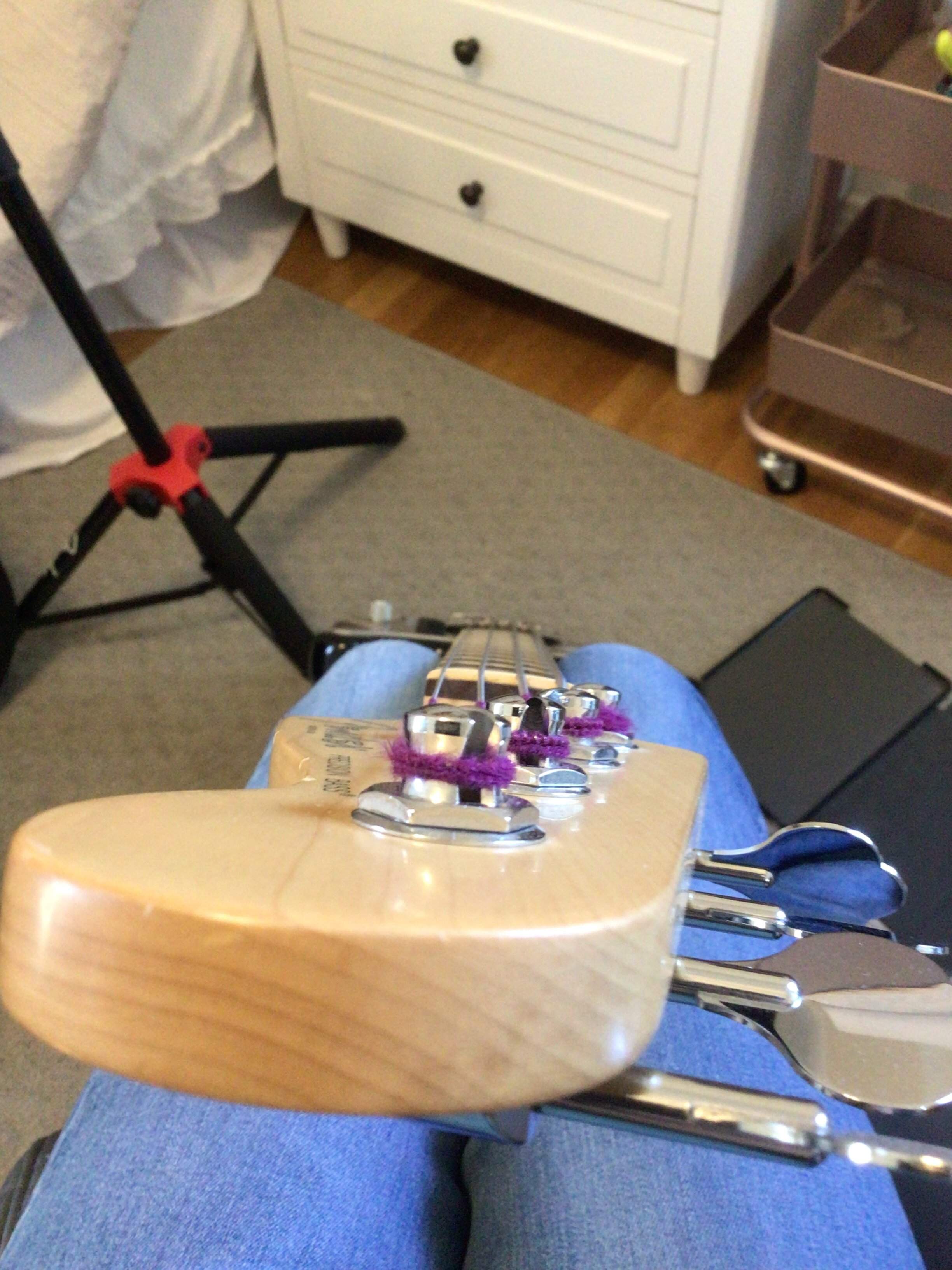
right now I have a set of Fender 9050M (55-105) on a Custom Shop 1951 and a set of GHS 3050R (55-105) on a Classic '50 P mexico.
both sets have been on the basses since May 2024, mounted new. the CS1951 came stock with those strings, but I had to change them because the G string broke at the tuner after some mount-dismount process for a good setup, and the set got replaced.
they are very different in many things, and, spoiler alert, I'm probably replacing the Fender set with a new GHS set.
first of all the outer/texture feeling:
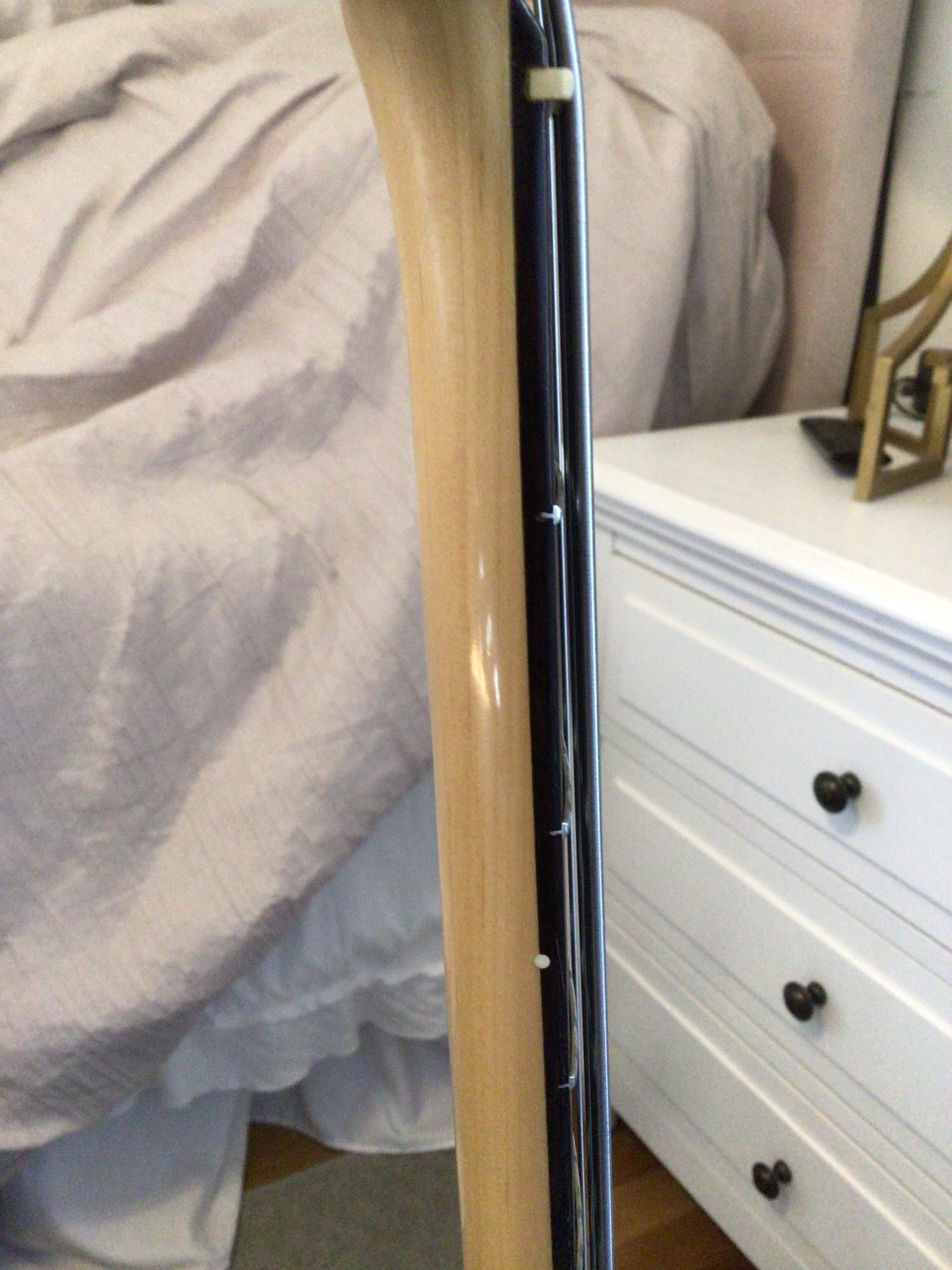
the GHS feel super smooth, the fingers can run up and down without friction or stickiness; E and A are so flat you can't see the gaps in the winding, D and G show some gaps, but they are still "soft" to the touch.
the Fender set is rougher, you can feel the gaps, and the steel is stickier, it has more friction; even after months and gigs, if I don't play that bass for a couple of days, I have to re-adapt. with the GHS, I fly on them even if I didn't touch them in a while.
then the tension:
the tension is similar, and on the P50 I switched from the Fender 9050M to the GHS 3050R without any truss rod adjustment, I only had to replace the A saddle for intonation, the other strings were quite identical.
however, the GHS set feels easier to play, in particular on the G string, and even at the same identical action and relief, it gives the impression to have lower action. both basses have a 7,25" radius, wide and chunky neck.
last but not least, the sound:
here is where I fell in love with the GHS, but I have to say that I needed a lot of time to actually reach that feeling.
playing alone, the GHS set feels unbalanced, like playing two different sets of strings: the E and A have that fast attack with a lot of fundamental and almost zero harmonics, a smooth and thuddy tone.
the D and G have the same fast attack, but with some brightness, so that you can hear the "click" of the frets.
however, even when brand new, if played in a mix you won't notice it, they balance perfectly and gives you a strong fundamental with a lot of definition, like an heavy hand slapping your face with no regrets.
after some hours, the higher strings lose some harmonics, still sounding "snappier", and the lower strings start to feel more snappier.
playing in a band or recording its a pleasure, and IMHO it's the best pleasure I've ever had in 15 years playing flats.
I have to say that this is not my first set of GHS flats, but I discovered them only a few months ago because I've always been afraid of comments written online, describing them as "too muddy", "too dark", "too thuddy", "too unbalanced", and so I avoided them for years.
then I tried a 45-95 set on a Stingray, and at first the impression was to play with a blanket on the amp, but after a few days I started "feeling" them.
then on a Reissue 51 Japan, where they sounded good since the first note.
so then I decided to switch to the 55-105 set on the Classic 50, and now I'm here, fell in love

talking about the Fender, they are what we usually define "modern" flatwounds, with a balanced string-to-string tone, more sustain and a lot of harmonics.
I like them, I like the gauge, and these two brands are the only one selling it, and I got caught by it when I tried (and then bought ) the Custom Shop strung with them.
however, what I noticed after some months and some gigs, even on a couple of 45-100 sets I tried prior to this, is that they are bright, they have harmonics, they are strong on the higher mids, but somehow lack on the "bottom", on the low mids and the "meat", and when the dynamic of the song is higher, with all the instruments in, I feel that the bass gets a bit lost.
it's a thing I've noticed with most "modern flats", and obviously can be corrected with some EQing, but here we are talking about strings
and IMHO the less you have to do to reach your sound, the better it is.
IMHO, if looking for the classic Fender "vintage tone", the one heard on many records, the easiest way is with GHS flats. they are a "one trick pony with a twist", because yes, they sound thuddy, "chocolate", but even outside the classic "vintage references" they are actually usable.
the Fender, like other modern flats, are strings with a "flatwound vibe", I don't know if I can get the idea.
I'll let you know how the GHS will work on the CS51








 .
.



 )
)