• TalkBass has been independent since 1998. Add your voice.
    Create a free account to reply to discussions, view embedded media, and browse with fewer display ads.
    Join freeLog in
    Want zero display ads or expanded classifieds tools? Compare plans.

Truss rod nut replacement (Squier Affinity P bass)

Does anyone know if you can replace a worn/stripped out/damaged truss rod nut with a nut that has a different size?

Please note that the question is about the “adjustable” end of the nut, in other words, the end where you insert the Allen wrench/hex key to turn the truss rod.

I have a Squier Affinity (Indonesia) P bass that the nut is completely stripped out. I have already removed the walnut plug that partially covers the hole to access the truss rod, and now need to figure out whether I can get a new nut of a different (more readily available) size. This particular bass takes either a 4mm or 5mm nut (info not clear from web searches).

Thank you in advance,

Andy
 

Attachments

  • IMG_3629.jpeg
    IMG_3629.jpeg
    1 MB · Views: 105
  • IMG_3630.jpeg
    IMG_3630.jpeg
    935.6 KB · Views: 53
No, nuts are standardized in sizes. Just buy one of the same size and replace it. It you need to get the stripped nut off, just make a sacrificial tool and bond it to the stripped nut with some JB weld.
 
  • Like
Reactions: Stewie
Does anyone know if you can replace a worn/stripped out/damaged truss rod nut with a nut that has a different size?

Please note that the question is about the “adjustable” end of the nut, in other words, the end where you insert the Allen wrench/hex key to turn the truss rod.

I have a Squier Affinity (Indonesia) P bass that the nut is completely stripped out. I have already removed the walnut plug that partially covers the hole to access the truss rod, and now need to figure out whether I can get a new nut of a different (more readily available) size. This particular bass takes either a 4mm or 5mm nut (info not clear from web searches).

Thank you in advance,

Andy
I think you can replace it. And if it’s just for purposes of a project I would give it an endorsement. Of course, the best path if you just want a functional neck is a full replacement, however if you like the neck and want to put in the time I’d say to go for it. I would do this same project if it were me as a hobby. I would say the main thing is that the new nut has to match the thread size of the truss rod itself, not just the Allen key size. The hex socket can be different, but if the threads don’t match, it either won’t go on or could wreck the rod.

Since you’ve already pulled the plug (not a euphemism), I’d pop the old nut out completely and either measure the threads or take it to a hardware shop to match it up. The Affinity series typically use metric threads (M5 or M6) so Fender-style replacements don’t always fit.

Hope this helps!
 
Or find a screw extractor (EZ Out, etc.) which fits to unscrew that nut and replace it.
Stewmac sells these. I have one for this same issue but i use it instead of an Allen key to adjust the neck relief. I replaced the nut on an other bass, same size, and it didn't twist as far and the neck has brutal relief now. It was the correct match for the size of thread, it just had a shorter length of available threads. Worth trying to fix for fun but it may not work out. I was surprised
 
Last edited:
  • Like
Reactions: limit6
With a good screw extractor and patience, this can be done.

I would replace with the same size of nut to avoid any problems. Also, I would advise to lubricate the nut before installing it to avoid any seizure.

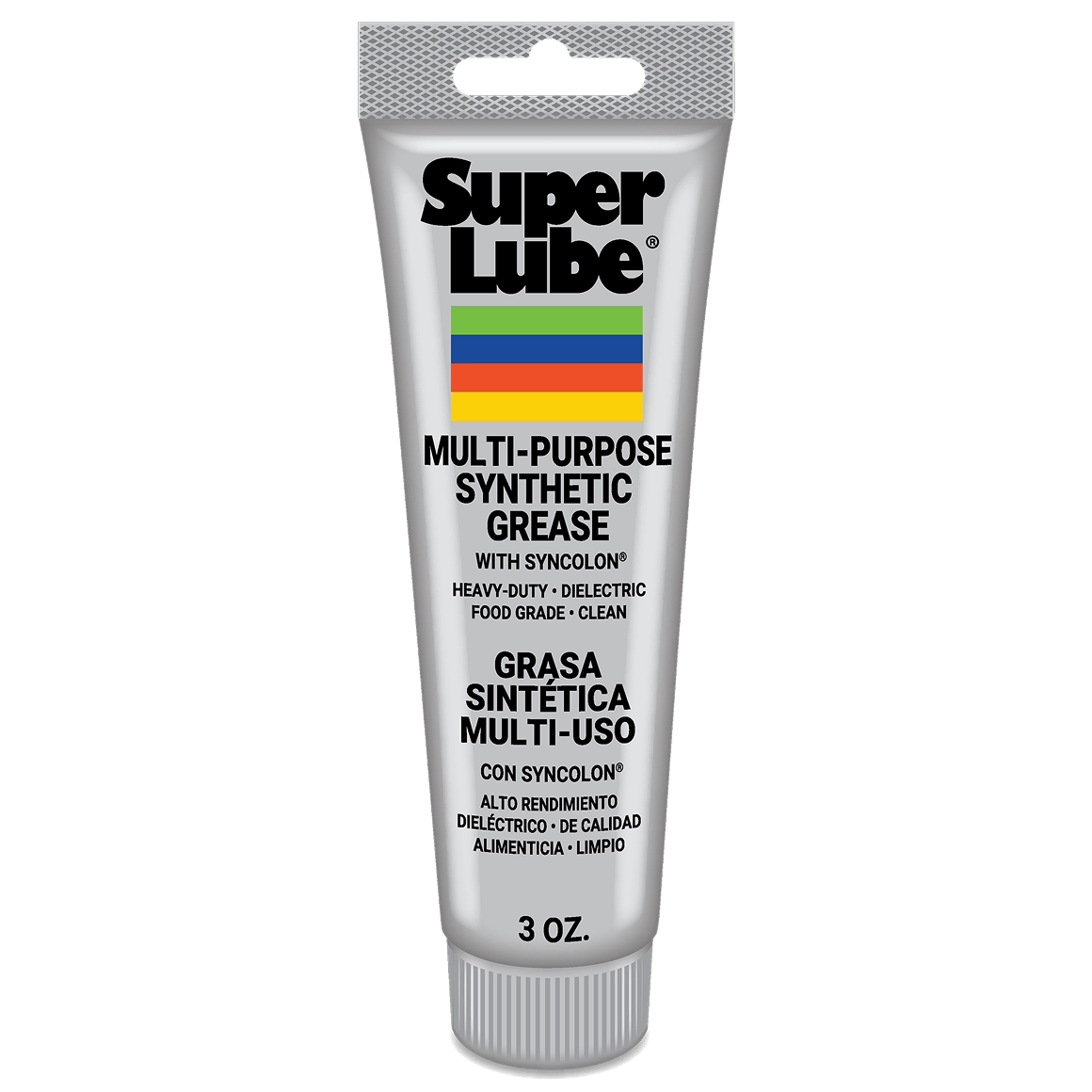
I use a small amount of synthetic grease with Teflon for this but other products can be used.


  • Like
Reactions: Basso Elettrico
While you’re in there, it’s a good time to insert a washer behind the nut. Usually the nut is rotating against raw wood and crushing the fibers. A washer will protect the wood, and also move the nut out further, thereby adding assurance you won’t run out of threads if the wood has already crushed somewhat from use. Refit your brown finishing plug as necessary.
 
If that’s a modern Squier neck there is no nut. The truss rod is for all practical purposes a huge allen key or hex head set screw that’s about 34 inches long. Or the scale length.

There’s no “Nut” and there’s no threaded rod like a US made model where you can remove a damaged nut and replace it with a fresh one. It’s one giant allen key and not a good quality one at that. Your option is to steam off the fingerboard. Dig out the filler strip. And replace the truss rod. Then glue the fingerboard back on.

That’s something reserved for clever skilled luthiers working on vintage instruments. That are worth the price of the repair.

eBay is your friend here. You can buy a new neck. And just bolt it on.

You could try gluing a sawed off piece of allen key into the now gaping hole in what’s better referred to as a “Truss Screw” and hope it holds. It might. For awhile. But the chances of it lasting as a repair are essentially zero. As suggested JB Weld is a good choice.

I do not want to be the bearer of bad news. But that neck is basically scrap. The good news is that there is usually an infinite supply on eBay.
 
If that’s a modern Squier neck there is no nut. The truss rod is for all practical purposes a huge allen key or hex head set screw that’s about 34 inches long. Or the scale length.

There’s no “Nut” and there’s no threaded rod like a US made model where you can remove a damaged nut and replace it with a fresh one. It’s one giant allen key and not a good quality one at that. Your option is to steam off the fingerboard. Dig out the filler strip. And replace the truss rod. Then glue the fingerboard back on.

That’s something reserved for clever skilled luthiers working on vintage instruments. That are worth the price of the repair.

eBay is your friend here. You can buy a new neck. And just bolt it on.

You could try gluing a sawed off piece of allen key into the now gaping hole in what’s better referred to as a “Truss Screw” and hope it holds. It might. For awhile. But the chances of it lasting as a repair are essentially zero. As suggested JB Weld is a good choice.

I do not want to be the bearer of bad news. But that neck is basically scrap. The good news is that there is usually an infinite supply on eBay.
That recalls me why I hate the Squier necks………………….
 
  • Like
Reactions: kyral210
Or find a screw extractor (EZ Out, etc.) which fits to unscrew that nut and replace it.
I’m at that point: attempting to get the nut out with a screw extractor. My difficulty has been determining whether I need the exact same nut to replace or if any fender nut would be ok.

One thing is the thread measurement nut to rod, the other thing is the opposite end of the nut (open end where you insert the Allen key) measurement.
 
  • Like
Reactions: kyral210
That recalls me why I hate the Squier necks………………….
Yeah. It’s very common at this price point. Epiphone uses the same method. So does just about everyone else. It’s kind of a shame because getting the wrench tight in the socket in the first place is a challenge. They seem to show up sloppy out of the box. Making sure the hex socket is perfectly clean helps. A dental pick helps clean out any left over manufacturing debris like over spray and buffing compound. That and making sure the wrench is fully and securely seated each and every time.

I’ve got two that are chewed up myself. Despite precautions.

If you do get one the StewMac gripper truss rod wrench does work. But it’s best to grind the tip down till it’s snug and leave it with that guitar.

And despite any advice to the contrary don’t ever use a ball end hex key in one of these. Despite them being sold for that exact purpose. That’s what bit me.

At least it’s not a glued in neck and replaceable.
 
I’m at that point: attempting to get the nut out with a screw extractor. My difficulty has been determining whether I need the exact same nut to replace or if any fender nut would be ok.

One thing is the thread measurement nut to rod, the other thing is the opposite end of the nut (open end where you insert the Allen key) measurement.

As previously stated the stewmac gripper will get the nut out.

As for your other question, any truss rod nut that fits the rod screws will work. The bass doesn't care whether the nut takes a hex key or a Philips screwdriver or whatever.
 
  • Like
Reactions: Basso Elettrico
In my machine tool fitting days I found easyouts could be problematic at least, quite often they could break as very brittle and leave you with an even bigger problem. When the Snap On man came in his van to our works once he was carrying a set of extractors called Bluepoint broken stud extractors. They differed from easyouts as they were not tapered and had far more meat on the contact side as they were splined inserts which meant they gripped the entire stud rather than a couple of points of contact as the easyout did. I'm trying to imagine digging out a truss rod if the rod access is at the headstock end as I can't see a tapered extractor going in the little cut out in the headstock without binding on the cutout thus reducing the depth and efficiency.
The Bluepoint set relied on you drilling a undersized deep hole into stud then knocking the splined shaft into the hole as an interference fit, then a nut slid over the insert that aligned with the splinesthen you got your favourite spanner (wrench) and unscrewed as normal. I've had properly seized studs in the past that took a lot of hammering on the spanner or put steel tubes over the spanner to get greater leverage, they all succumbed and the inserts took all the punishment without any damage.
I'm not in the States so I don't know whether Bluepoint still exist but you maybe able to snag some secondhand as these tools were built to last unlike the 'use once and discard' tools these days. If you've managed to extract you truss rod now then happy days but this info might be useful to other folks one day so I'll leave it here.
This is the tool I have so you can see how it's used
 
Am I missing something here???

Is this a single-action or a dual-action truss rod? I can't find any info on this anywhere in this thread???

Without this critical piece of information people shouldn't post potentially poor advice that can cause (further) damage to the instrument.

Seriously, nearly all the advice so far in this thread is pretty much worthless until we've established what type of truss rod we're dealing with. What has happened to Talkbass??? The amount of misleading and potentially disastrous "one sentence solutions" has skyrocketed lately. I've never understood why people feel the need to post advice about questions they don't really know the answer too. And then some people seem to get their egos hurt and become confrontational when their shockingly poor advice is criticised. I've put more people on my ignore list in the last couple of months than in all the years I've been a Talkbass member combined. And THAT means it's probably well overdue for me to leave this forum for good.

Anyway, rant over, and a sort of "last hurrah" from me I guess:


Squier Affinity can have either single- or dual-action truss rods, depending on the year/model. If it's a fairly recent Indonesian model, it's probably dual-action.

So, we're basically looking at two very different scenarios here:

1) A single action truss rod:

With this type of truss rod you would normally be able remove the truss rod nut without ruining the bass in the process (that walnut plug is there for a reason you know...). If the inside of the nut is totally mangled may need to use a special tool though, like the "grippers" someone suggested. If you are able to remove the nut, you can simply replace it with the same type. Someone posted that nuts are standardized sizes. This is wrong. First of all you will have to consider metric vs inches. A nut that's made for a US Fender won't fit a Squier made in the Far East. It's not just a matter of the dimensions for the hex wrench, but the threads inside as well.

If it's an Indonesian Squier it probably needs a 4 mm wrench. If it's a Chinese Squier it's most likely 5mm, but can also be 4 mm. But that's just the hex wrench size. The threads inside are far more important, and unless you can get an original part for this specific model, you won't really know until you try.


2) A dual action truss rod (and I strongly suspect this is what we're looking at here):

You can't remove the nut on a dual-action truss rod. Period. If you keep turning it counter-clockwise after the "neutral" position, it will just tighten again (to adjust the neck in the opposite direction, towards a backbow).

If we're dealing with a dual-action truss rod, you should stop ruining your bass any further and leave this job to a skilled luthier. The entire truss rod will need to be replaced (and so will that walnut plug you're ruined).


As for people hating Squier necks because they've got dual-action truss rods... Well, in that case you hate nearly all basses made today expect MIM Fenders and some (but not all) MIA Fenders. Because that's the only major brand basses that still use single-action truss rods. This is not a "price point" thing, like someone suggested. LOTS of expensive basses come with dual-action truss rods too. In fact, most of them.

The main disadvantage of a single-action truss rod is that with some necks you won't get enough neck relief when using light gauge strings, which are more popular today than back in the day when single-action truss rods were still the industry standard.

The main disadvantage with dual-action truss rods is that you will need to replace the entire truss rod if the "nut" is blown. But truss rod nuts don't go bad by themselves. They don't come with a self-destruct function. When a truss rod nut is blown, it is nearly always caused by USER ERROR. Typically by either using the closest metric size wrench for a US/inches typs truss rod (or vice versa) or by using those horrible hex wrenches with ball ends, like the ones Fender supply with some of their instruments... Now THERE's a "self-destruct button". Those Fender truss rod tools are utter garbage. Anyone who still uses the Fender ball-end tools should do themselves a favor and throw it in the garbage. This might just save you the cost of an expensive repair in the furure. And yes, many MIA Fenders use dual-action truss rods, but Fender call them "bi-flex". The new Fender Standards use dual-action truss rods too.

My advice at this stage: Leave this to a skilled luthier, or AT THE VERY LEAST make sure you know for certain what type of truss rod you're dealing with.

Are you even sure it's a Squier Affinity? Because I honestly can't remember ever seeing an Affinity with binding, block inlays and seemingly tinted neck finish. Or a golden-edged logo for that matter. It looks more like some kind of Squier CV to me. Not that it really matters. All of the above still applies.
 
Last edited:
Update here as there have been quite a few responses:


Thank you everyone for taking the time to share your opinions.


A few considerations:


1) The neck is new, unplayed, and previous to the ill-fated discovery that the nut is stripped, there were no other defects or problems with the neck


2) There is nothing to indicate that the truss rod is bad/damaged or otherwise. I simply do not know that, but it would seem to me there’s a better chance that the rod is ok than otherwise


3) in trying to turn/unscrew the nut I tried a couple of Allen keys and eventually resorted to a screw extractor that hasn’t helped yet, as I haven’t been able to get a good purchase on the different tools I’ve used to try and turn the screw extractor


4) I am aware that the Stew Mac gripper tool has worked for many, but so far I haven’t been able to talk myself into spending $40 in a tool that only comes in one tip size and may not even be the correct tip size I need to turn this thing (the Stew Mac gripper comes in different tip sizes but each one is unique, not interchangeable)


5) I don’t mean to doubt or question anyone’s knowledge, but most sincerely all I really wanted was to learn, if, and it’s only an “if” a truss rod nut (any nut, mine included of course) can be replaced with a (new/replacement) nut that takes a different size Allen key/hew wrench than the one that is currently in the neck screwed on to the truss rod. I ask this specifically because I believe I’ll still be able to have the nut extracted (if not by me by someone with more skills/better tools than me).


6) Since I did not know whether I’d be able to find the info, I have preemptively ordered and received 3 different size Fender truss rod nuts: 1/8”, 3/16” and another one that doesn’t show the size (!!!), but I still do not know which is the right one


7) as far as what exact kind of bass this, for the avoidance of doubt, I pasted the bass serial number in the Fender S/N lookup page and it is:


Made in Indonesia Classic Vibe '70s Precision Bass®, Maple Fingerboard, Walnut model number 0374520592


But no info on the truss rod.


So far, TBer tpaul put it best IMO - “The bass doesn't care whether the nut takes a hex key or a Philips screwdriver or whatever.”
 
Last edited:
Just so You know what Your really dealing with here. And why your efforts aren’t working. And I’d like to be wrong. But this is why I’m saying You’ll probably want to buy a neck.

This is a generic import kit neck. It’s not from a Squier and it showed up with a damaged fingerboard. Which I’ve removed.

And there’s no guarantee that your Indonesian Squier is exactly the same. But I’ve never heard of anyone replacing the truss rod “Nut” on these either.

The other type I’ve seen is a simple really long Allen key. With simple anchors like an old Gibson. Which is what I was referring to initially.

Yours is likely quite similar to this. If not exactly the same.

The nut is welded on….. it’s not coming off.

As I said I’d like to be wrong. But I think that there’s a reason Fender AKA Squier does not stock import Squier truss rod nuts. They aren’t replaceable. They are probably welded on just like this. There are cost cutting measures to hit these price points and this is one.

But I strongly suspect that nut is never coming off. It’s welded just like this.

Sorry the pics aren’t better.

I wish you luck.
 

Attachments

  • IMG_7168.jpeg
    IMG_7168.jpeg
    983.7 KB · Views: 47
  • IMG_7167.jpeg
    IMG_7167.jpeg
    951.1 KB · Views: 44
  • IMG_7166.jpeg
    IMG_7166.jpeg
    901.2 KB · Views: 47