Hey, I've made a custom bass out of solid walnut. I was wondering if anyone knows anything about different types of wood (hard and soft) on the actual sound of the bass. I know the majority of the the sound is determined by the pickups and stings but I'm more interested in the effect of the wood on the resonance of the the bass. Thanks

Enjoy the benefits of a premium membership!
Upgrade Account
-
TalkBass has been independent since 1998. Add your voice.
Create a free account to reply to discussions, view embedded media, and browse with fewer display ads.
Join free Log in
Want zero display ads or expanded classifieds tools? Compare plans.
You are using an out of date browser. It may not display this or other websites correctly.
You should upgrade or use an alternative browser.
You should upgrade or use an alternative browser.
Wood and sound.
- Thread starter Rosewoodfigure
- Start date
More options
Who Replied?
- Jun 30, 2010
- 49,588
- 221,962
- Disclosures
- musician/artist/owner - Gildaxe
How does your bass sound? Pics? Walnut ="articulate high end with clear lows" - according to Ken Smith

Woods are everything. There is a big difference between Ash, Alder, Walnut, maple etc...
Walnut is a bright tone vs maple is a muddy like tone. I have all the above. My music man is my ash slapper some what bright but, my Fender usa deluxe alder is my vintage tone fingering classic sound bass. I love ebony, rosewood and maple necks and fret boards. I have a peavey cirrus walnut top and body with a ebony like fret board and it has a nice bright tone to it.
Walnut is a bright tone vs maple is a muddy like tone. I have all the above. My music man is my ash slapper some what bright but, my Fender usa deluxe alder is my vintage tone fingering classic sound bass. I love ebony, rosewood and maple necks and fret boards. I have a peavey cirrus walnut top and body with a ebony like fret board and it has a nice bright tone to it.

Woods are everything. ...maple is a muddy like tone. ...
Hardly. Try to tell that to the Rickenbacker owners.
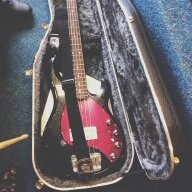
People may think that the pickups and strings make the biggest difference to tone but the wood is the key factor. Some woods like ebony and maple are pretty hard so they are bright sounding whether as rosewood is a softer wood and has more of a warm tone. As for walnut I wouldn't really know how the sound would come it but it would probably be very bright because its a rather hard wood.
It's just like cooking. You can cook a piece of chicken one way and and then cook another piece another way. They may both have completely different flavours but they both still taste like chicken.
(the wood is the chicken and the pickups and strings are the other flavours)
It's just like cooking. You can cook a piece of chicken one way and and then cook another piece another way. They may both have completely different flavours but they both still taste like chicken.
(the wood is the chicken and the pickups and strings are the other flavours)
Woods are everything. There is a big difference between Ash, Alder, Walnut, maple etc...
Walnut is a bright tone vs maple is a muddy like tone. I have all the above. My music man is my ash slapper some what bright but, my Fender usa deluxe alder is my vintage tone fingering classic sound bass. I love ebony, rosewood and maple necks and fret boards. I have a peavey cirrus walnut top and body with a ebony like fret board and it has a nice bright tone to it.
I agree completely except the part about maple being muddy, my bass (yes it is a cheap bass) is a squire vintage modified 70's jazz and its made of a light maple body and a maple neck with a maple fingerboard, it isn't as bright as my dads strat with an ebony fingerboard and a light ash body but its still definitely not muddy.
Just had to clear that.


I've never met anyone who could tell the type of wood used in an electric bass without using their eyes. Particularly in a mix, you never hear someone comment "Wow, that rosewood board is really defining the bass tone there."
I have, however, met lots of people who can tell the difference between, say, a P and a MM pickup, or even a neck and bridge pickup of the same type, purely by listening.
Buy the wood you like the look of.
I have, however, met lots of people who can tell the difference between, say, a P and a MM pickup, or even a neck and bridge pickup of the same type, purely by listening.
Buy the wood you like the look of.
I have, however, met lots of people who can tell the difference between, say, a P and a MM pickup, or even a neck and bridge pickup of the same type, purely by listening.
I've met lots of people who can't tell the difference between pickups or strings or even instruments purely by listening. It all comes down to the capabilities of the individual.


One of my problems with older Gibson basses is so many of them where made from mahogany - body & neck - which IMO is not strong enough for the tension of bass strings. Yes, they say that the mahogany bodied LPs have great sustain, but it's not a great choice especially for a bass neck.
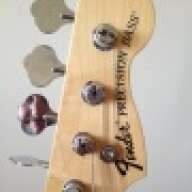
Hey, I've made a custom bass out of solid walnut. I was wondering if anyone knows anything about different types of wood (hard and soft) on the actual sound of the bass. I know the majority of the the sound is determined by the pickups and stings but I'm more interested in the effect of the wood on the resonance of the the bass. Thanks
Arguably none.
http://www.stormriders.com/guitar/telecaster/guitar_wood.pdf
I've never met anyone who could tell the type of wood used in an electric bass without using their eyes. Particularly in a mix, you never hear someone comment "Wow, that rosewood board is really defining the bass tone there."
I have, however, met lots of people who can tell the difference between, say, a P and a MM pickup, or even a neck and bridge pickup of the same type, purely by listening.
Buy the wood you like the look of.
I would say that bass because of its already deep and warm tone from the strings makes it harder to hear the wood but honestly if you have clean pickups you can really hear the tone of the wood and it is the star of the instrument, the pickups are meant to enhance the sound of the wood as well as amplify it (60's fenders pickups did that extremely well, but they hummed).
What do you think about the University of Toronto experiment described in the previous post?
It shows that there definitely are differences.
It also shows how lo-fi and poor their test pickups were at transducing the natural sound of the instrument.
Though the differences were still evident with the pickups they were not as pronounced as with the microphone demonstrating that it would depend heavily on the hearing capabilities of the listener to discern those differences.

The tone is determined more or less in this order:
#1: fingerboard essence;
#2: body tonewood
The sound is determined more or less in this order:
#1: string material and gauge;
#2: pickup type and placement
Cheers,
Wallace
#1: fingerboard essence;
#2: body tonewood
The sound is determined more or less in this order:
#1: string material and gauge;
#2: pickup type and placement
Cheers,
Wallace

Gaolee
Official leathers tester and crash dummy

The wood affects the sound of a bass somewhere in the region of 0% to 100%. I hope that clears this up once and for all.
Latest posts
-

-

-

-
 Future Impact now available!! WAS: deep impact reissue!!! interested?
- Latest: Andras Szalay
