EDIT: The poll is closed and the answer is revealed in Post #93
As most of you know, I've been doing some audio tests of body and neck woods. This time, I decided to take things up a notch and test 2 basses made from entirely different woods.
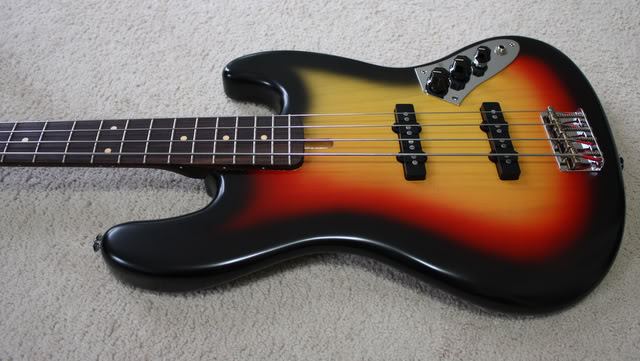
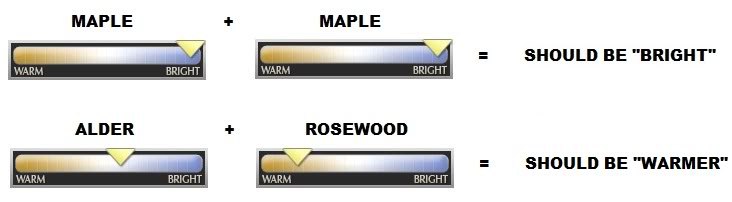
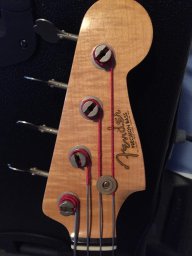
For this experiment, I opted to test woods that are touted as being very different on the tone spectrum. I used one J bass with a Maple body and Maple/Maple neck, and another with an Alder body and Rosewood/Rosewood neck (yes, all rosewood).

Let's take a look at the Warmoth "Tone-O-Meter" ratings for these woods:
Now, these are the questions I'm seeking insight on:
1. What percentage of us can hear a difference in tone between woods?
2. Do woods exhibit the expected tone "flavor" they are said to have? In other words, is wood tone predictable?
3. Can we identify wood tone characteristics in a mix or band setting?
This experiment can't answer those questions definitively, but it can provide some useful insight.
Now for this audio test, I'm doing things a bit differently, having learned a few things from my past threads. BASS 1 and BASS 2 are the two basses described and pictured above. I won't say which is which. On each bass, I recorded a clip with both pickups on full, a clip with the neck pickup only, and a clip with the bridge pickup only. I used the exact same strings, pickups, and control plate on each bass. And each bass was setup the same way.
(Also, you'll notice that the clips are raw WAV files, not compressed MP3 files.)
Listen closely to the clips of BASS 1 and BASS 2. Can you hear a difference? If so, decide which one sounds "brighter" to you.
Then listen to the MIX clip. This clip was recorded using one of the 2 test basses. It's the same bassline from before, but in a mix with other instruments. Your job is to figure out if this clip was recorded with BASS 1 or BASS 2.
Let the voting begin! (I'll probably let this poll ride for at least 24 hours before revealing the answer.)
EDIT: Don't forget the last 2 options in the poll in case you're having a hard time deciding!
As most of you know, I've been doing some audio tests of body and neck woods. This time, I decided to take things up a notch and test 2 basses made from entirely different woods.
For this experiment, I opted to test woods that are touted as being very different on the tone spectrum. I used one J bass with a Maple body and Maple/Maple neck, and another with an Alder body and Rosewood/Rosewood neck (yes, all rosewood).
Let's take a look at the Warmoth "Tone-O-Meter" ratings for these woods:
Now, these are the questions I'm seeking insight on:
1. What percentage of us can hear a difference in tone between woods?
2. Do woods exhibit the expected tone "flavor" they are said to have? In other words, is wood tone predictable?
3. Can we identify wood tone characteristics in a mix or band setting?
This experiment can't answer those questions definitively, but it can provide some useful insight.
Now for this audio test, I'm doing things a bit differently, having learned a few things from my past threads. BASS 1 and BASS 2 are the two basses described and pictured above. I won't say which is which. On each bass, I recorded a clip with both pickups on full, a clip with the neck pickup only, and a clip with the bridge pickup only. I used the exact same strings, pickups, and control plate on each bass. And each bass was setup the same way.
(Also, you'll notice that the clips are raw WAV files, not compressed MP3 files.)
Listen closely to the clips of BASS 1 and BASS 2. Can you hear a difference? If so, decide which one sounds "brighter" to you.
Then listen to the MIX clip. This clip was recorded using one of the 2 test basses. It's the same bassline from before, but in a mix with other instruments. Your job is to figure out if this clip was recorded with BASS 1 or BASS 2.
BASS 1
Both pickups: http://atkinsonbasses.com/storage/tests/BASS1both.wav
Neck pickup: http://atkinsonbasses.com/storage/tests/BASS1neck.wav
Bridge pickup: http://atkinsonbasses.com/storage/tests/BASS1bridge.wav
BASS 2
Both pickups: http://atkinsonbasses.com/storage/tests/BASS2both.wav
Neck pickup: http://atkinsonbasses.com/storage/tests/BASS2neck.wav
Bridge pickup: http://atkinsonbasses.com/storage/tests/BASS2bridge.wav
MIX
Mystery bass: http://atkinsonbasses.com/storage/tests/BASS3mix.wav
Both pickups: http://atkinsonbasses.com/storage/tests/BASS1both.wav
Neck pickup: http://atkinsonbasses.com/storage/tests/BASS1neck.wav
Bridge pickup: http://atkinsonbasses.com/storage/tests/BASS1bridge.wav
BASS 2
Both pickups: http://atkinsonbasses.com/storage/tests/BASS2both.wav
Neck pickup: http://atkinsonbasses.com/storage/tests/BASS2neck.wav
Bridge pickup: http://atkinsonbasses.com/storage/tests/BASS2bridge.wav
MIX
Mystery bass: http://atkinsonbasses.com/storage/tests/BASS3mix.wav
Let the voting begin!
(I'll probably let this poll ride for at least 24 hours before revealing the answer.)EDIT: Don't forget the last 2 options in the poll in case you're having a hard time deciding!




 ) I tend to associate tone with wood density more than by particular species.