• TalkBass has been independent since 1998. Add your voice.
    Create a free account to reply to discussions, view embedded media, and browse with fewer display ads.
    Join freeLog in
    Want zero display ads or expanded classifieds tools? Compare plans.

Not sure how to best wire my cabs (Trace Elliott AH150 into Peavey 410TVX)

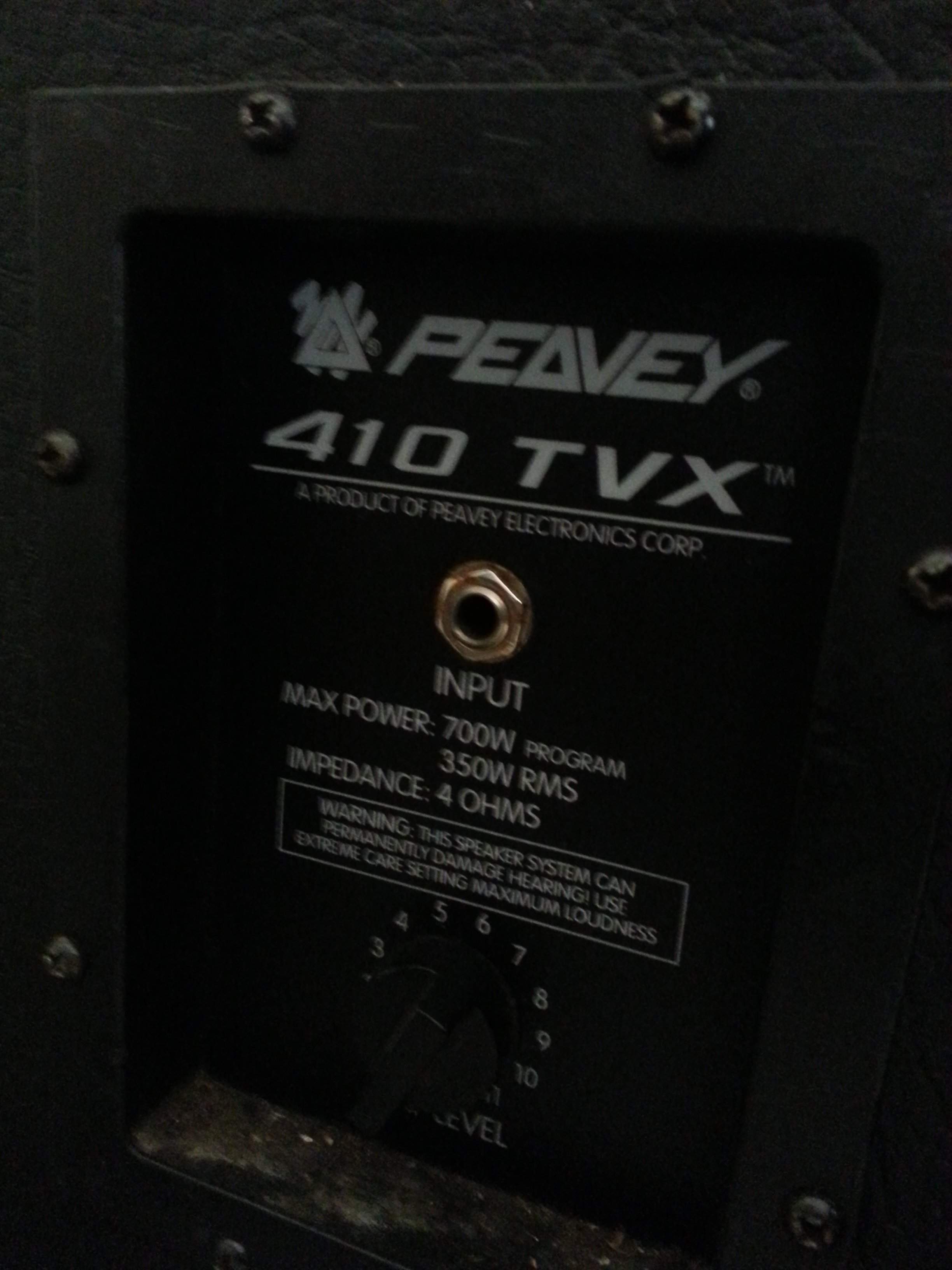
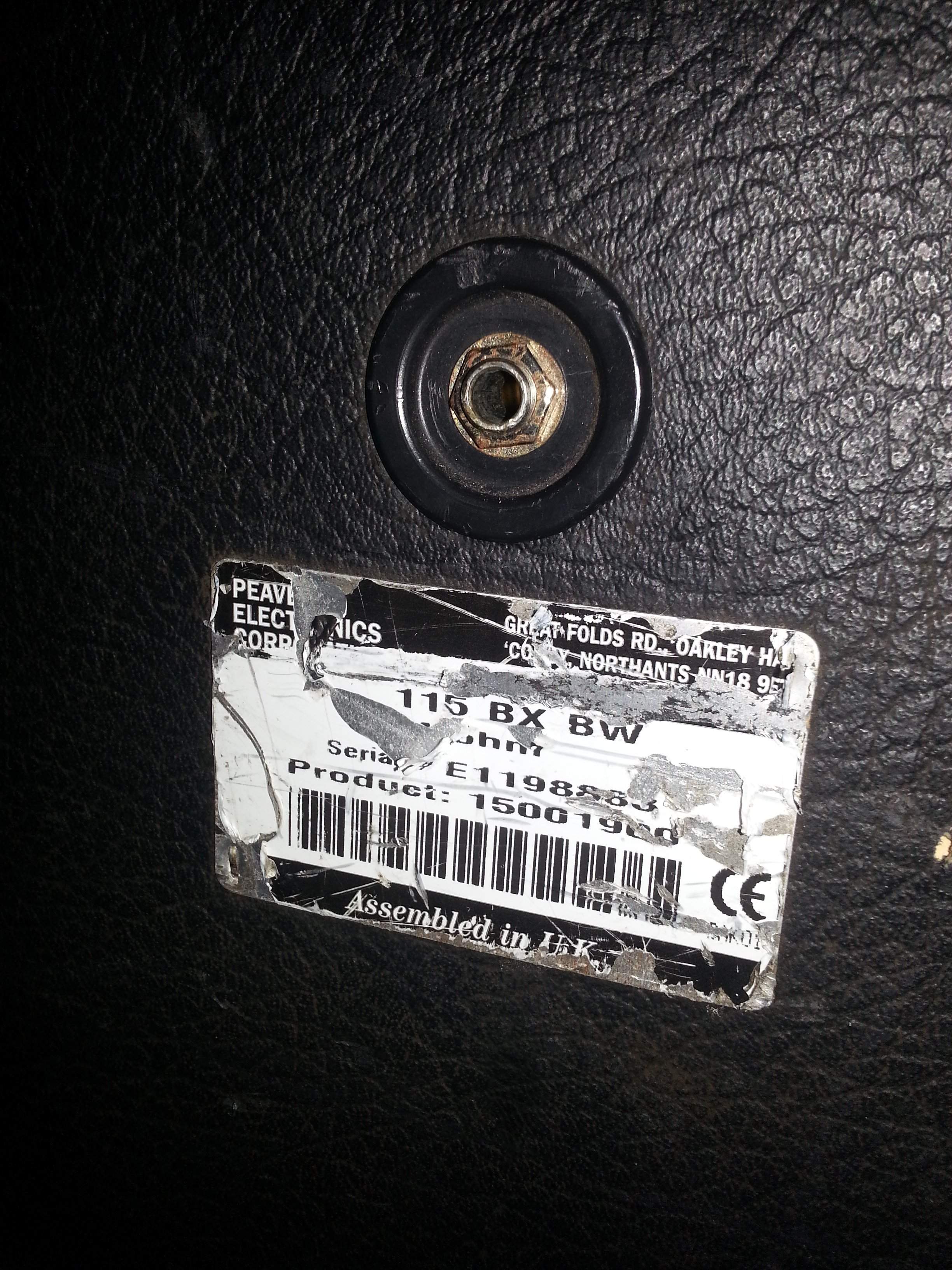
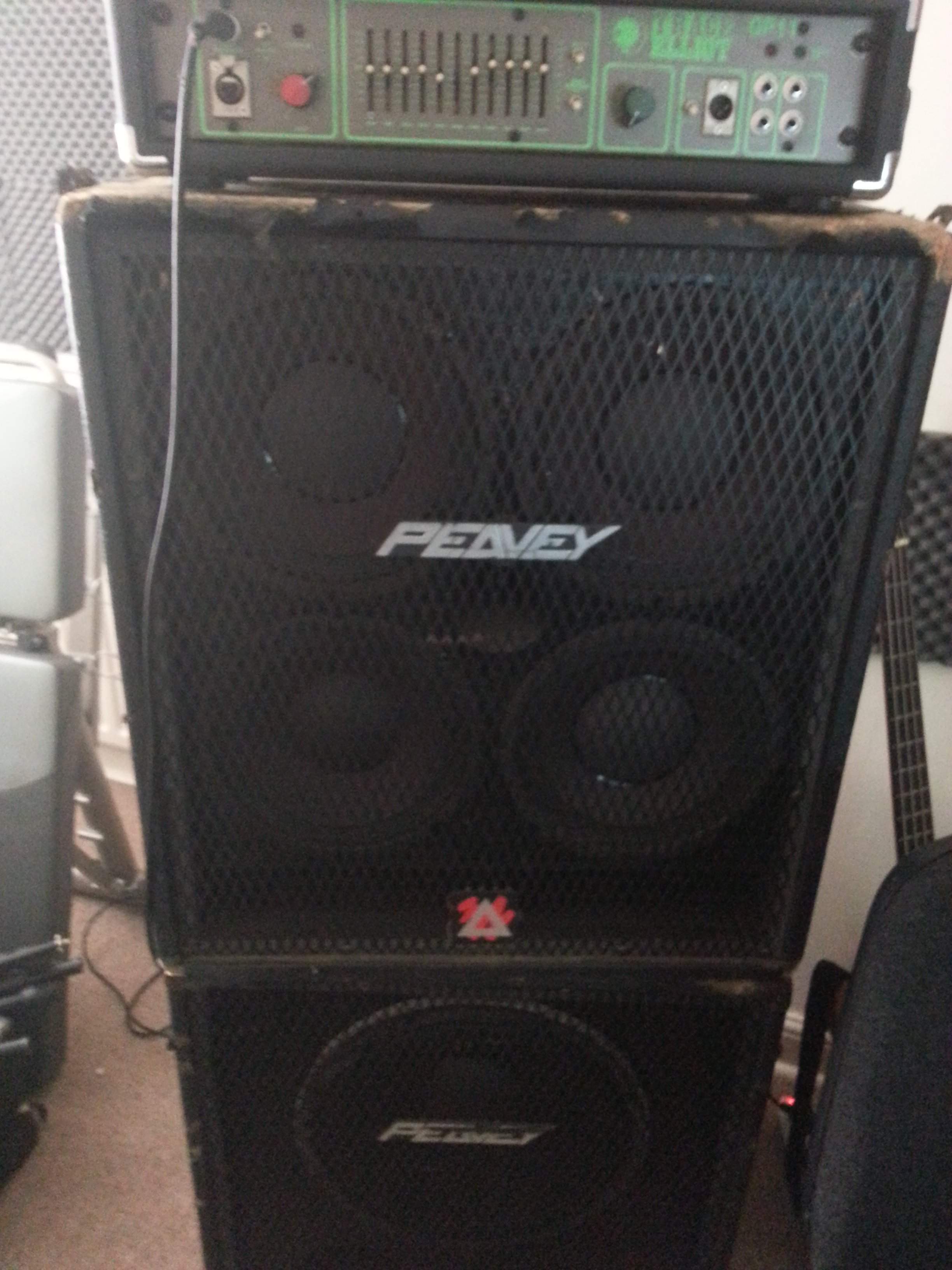
Recently had chance to pick up a couple of cabs very cheap, needed something to practice with. I have a Peavey 410TVX 4x10 at 8 ohm. It also came with a Peavey Cab that's 1x15 and Ohms unknown (the little sticker is damaged at the crucial part unfortunately. The guy I bought it off said it was either 4 or 8 ohm but he couldn't be sure.

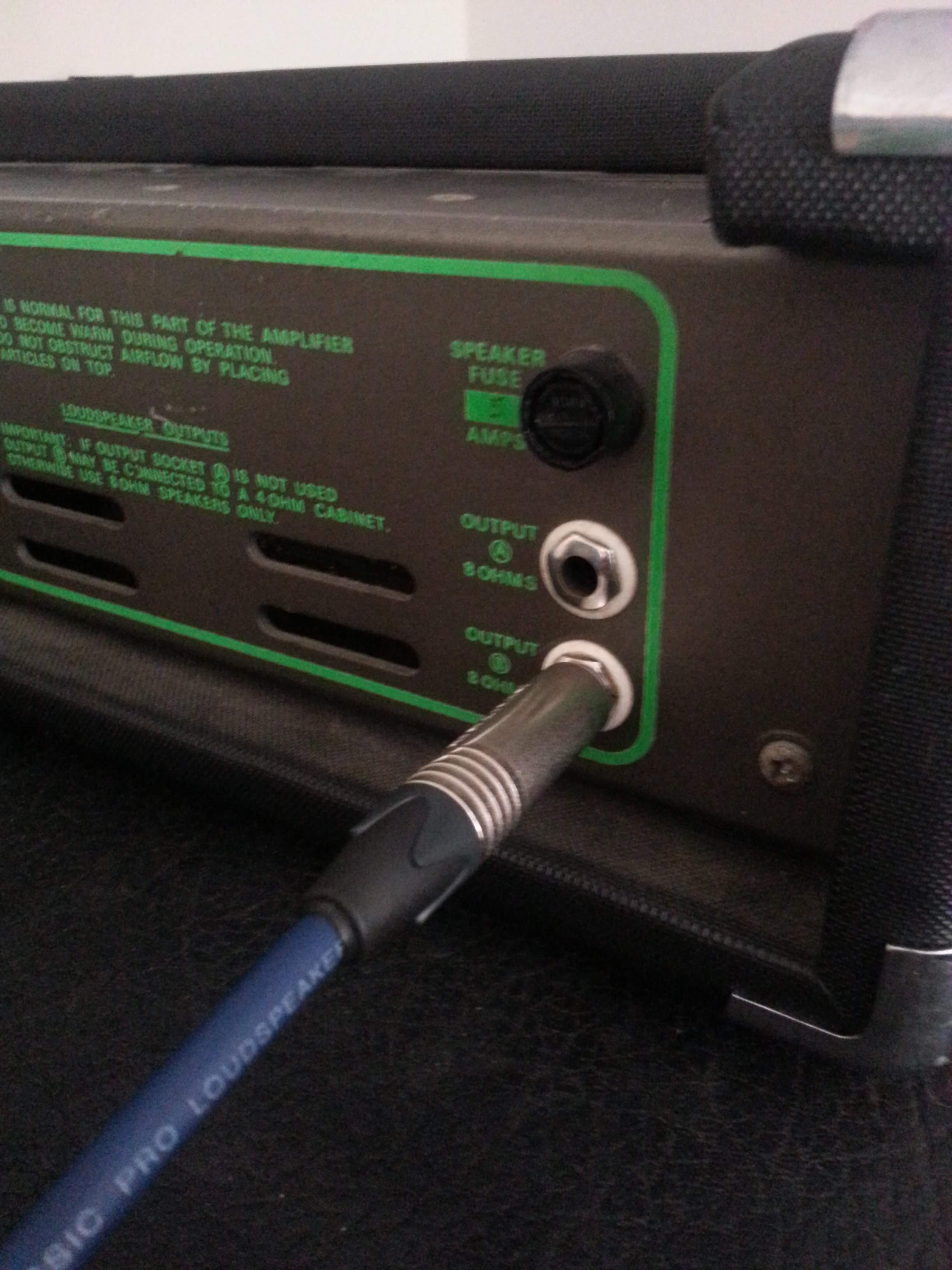
My current head is an old Trace Elliott AH150 with the GP11 preamp. It's output is 4ohm, which can either be run to a single 4ohm cab or parallel to 2x8ohm cabs.

The peavey cabs both have single input jacks with no jack to run series.

If I'm understanding it right, the Trace head can only be run to one of these cabs at a time, as running them both in parallel would give less than 4ohm resistance. Am I correct in my thinking? And if I were to modify the wiring to be able to run them in serial would this be ok?
20160416_132722.jpg
20160416_132732.jpg
20160416_132752.jpg
20160416_132816.jpg
 
Get a cable plugged into the unknown and measure resistance on the other end of the cable and if it's under 4 ohm, it's a 4ohm cab. About 6 or 7 ohms, it's an 8. Either way, if the amp is min. 4 ohm, you would have to series them. If they are both 4's, you wound lose much in wattage overhead from the amp, but should gain in SPL. If unknown is an 8 ohm, you be losing more wattage available in series, getting about 12 ohm running them in series. You won't know if you like it or not until you try them in series, so since you can't run them parallel at something less than 4 ohms, you could just try in series and see how it sounds.

I like the hearing damage warning :D
 
Get a cable plugged into the unknown and measure resistance on the other end of the cable and if it's under 4 ohm, it's a 4ohm cab. About 6 or 7 ohms, it's an 8. Either way, if the amp is min. 4 ohm, you would have to series them. If they are both 4's, you wound lose much in wattage overhead from the amp, but should gain in SPL. If unknown is an 8 ohm, you be losing more wattage available in series, getting about 12 ohm running them in series. You won't know if you like it or not until you try them in series, so since you can't run them parallel at something less than 4 ohms, you could just try in series and see how it sounds.

I like the hearing damage warning :D

Thanks for your help :) Any advice on doing the measurement? I just tried with my multimeter, the numbers jumped about all over the place! The bottom cab gave readings between 16 - 40 ohm, the top one was 8 - 90 ohm! Very random! I'm starting to wonder if both cabs have had speaker changes and aren't anything like what they say.... probably time to take it apart and have a look.
 
If you short your meter leads together, does it go straight to 0 and stay there steady? It sounds like either you are not getting a good connection or there is a crossover messing with the reading. IDK why the 15 would have anything other than the 15" driver inside, but you could open it up, disconnect the wires to it and measure straight to the driver. Could be a failed meter.

The 1/4" jacks are a bit corroded looking, maybe the culprit, and you might need to replace those. Any cackling when either is connected to the amp individually?
 
If you short your meter leads together, does it go straight to 0 and stay there steady? It sounds like either you are not getting a good connection or there is a crossover messing with the reading. IDK why the 15 would have anything other than the 15" driver inside, but you could open it up, disconnect the wires to it and measure straight to the driver. Could be a failed meter.

The 1/4" jacks are a bit corroded looking, maybe the culprit, and you might need to replace those. Any cackling when either is connected to the amp individually?

No cackling from the speakers when connected individually, so think the connectors are ok if a little gross looking.

Just had a play with the meter settings, tried shorting them together on it's lowest setting (200) and they jumped about it. However, when I tried it on the 2k setting it settled to zero normally. So, tried measuring the speakers on the 2k setting, and got stable readings of 0.008 for the 4x 10 and fluctuating between 0.006 and 0.007 for the 15". Do those numbers sound right for both cabs actually being 8ohm instead of 4? The guy I bought them off said the 15" had definitely had a new speaker at some point, the 4x10 he wasn't sure.
 
Yes, it sounds like both are 8 ohm. I have an old fluke meter that does just that. Not bad leads, change the input or turn it off and on and it fixes it for a while. So I use it for automotive work and save my better meters for better things :D But .008K ohm = 8 ohms. So they both seem to be 8 ohm. Accuracy for low resistance not so great at the 2K setting, but I think close enough. If the amp has overload protection, AND if someone else agrees with me, I think go for parallel. Dain Bramage and severe dyslexia makes me mess things up sometimes :confused:
 
Sounds plausible for both being 8 ohms, though it might also be time to drop a few bucks on a less-flaky meter (or sometimes all that's needed is a new battery in the meter?)

It's not uncommon to get a bit less than "rated" for a DC resistance measurement on a speaker (ie, the "per the datasheet" Re on my 4 ohm 15 is 3.1 ohms, and the same figure for the 8 ohm version is 5.6 ohms) - inductance comes into play for the "nominal" impedance. So if you are getting 6-7 ohms measured with a meter, it's most probably an 8 ohm speaker. You could also always unscrew it and read what it says on the driver itself.

Those peavey data-plates with no recess (sit proud of the surface) are the worst design. The one on my TNT130 is all scraped to <bleep> and illegible.

As an aside, cabs with two jacks are virtually always wired for parallel operation anyway - it's a trick to make a plug-in be a series connection (requires switching) - in a case where you need a series connection (evidently not here, since you're 4 ohm rated with 8 ohm cabs, most likely) a cable to do the job is a better bet.
 
Last edited:
Well I tried it all hooked up for a little bit and there were no showers of sparks or exploding cones. Will see how it goes when I use it anger next practice. It certainly sounded like the amp was operating at it's correct power, it sounded much smoother and louder than when hooked up to a single, and a lot more like I'm used to it sounding when paired with a 4ohm cab. I will have to re-label it as it will be backline for some gigs we're arranging.

Thanks for all the help, I feel a bit dumb for not thinking of the multimeter when it was sight right on my desk!

I also might unscrew it for a proper look at some point, but it looks like a total pain, all loading from the front with multiple bits to take off before I can get to the back of them.
 
I also might unscrew it for a proper look at some point, but it looks like a total pain, all loading from the front with multiple bits to take off before I can get to the back of them.

Makes sense if it's a pain. TNT130, the grill is held by velcro and pops off, wind out 8 screws (portable drill/driver handy) and the speaker is free. Two minutes if you have the drill/driver handy.
 
I wouldn't go by the label on that 15, it's likely had the driver replaced. Maybe a better ohm meter or peek inside to be sure, but in all likelihood, it's an 8 ohm. If the meter is fairly accurate on the 2K scale, it's an 8. Unlike analog meters, DVM's are pretty accurate all the way to both end of the scale. A DVM just shifts the decimal, and at the low end of the scale you get some rounding error. It might be off by 1 or 2 ohms, but that still puts it at an 8 ohm driver. It's up to the OP where to go with it, but I would still verify the reading by replacing the DVM's battery or the DVM if the battery doesn't fix it, or look inside.
 
  • Like
Reactions: T_Bone_TL