• TalkBass has been independent since 1998. Add your voice.
    Create a free account to reply to discussions, view embedded media, and browse with fewer display ads.
    Join freeLog in
    Want zero display ads or expanded classifieds tools? Compare plans.

2 day headache over a 100k resistor....

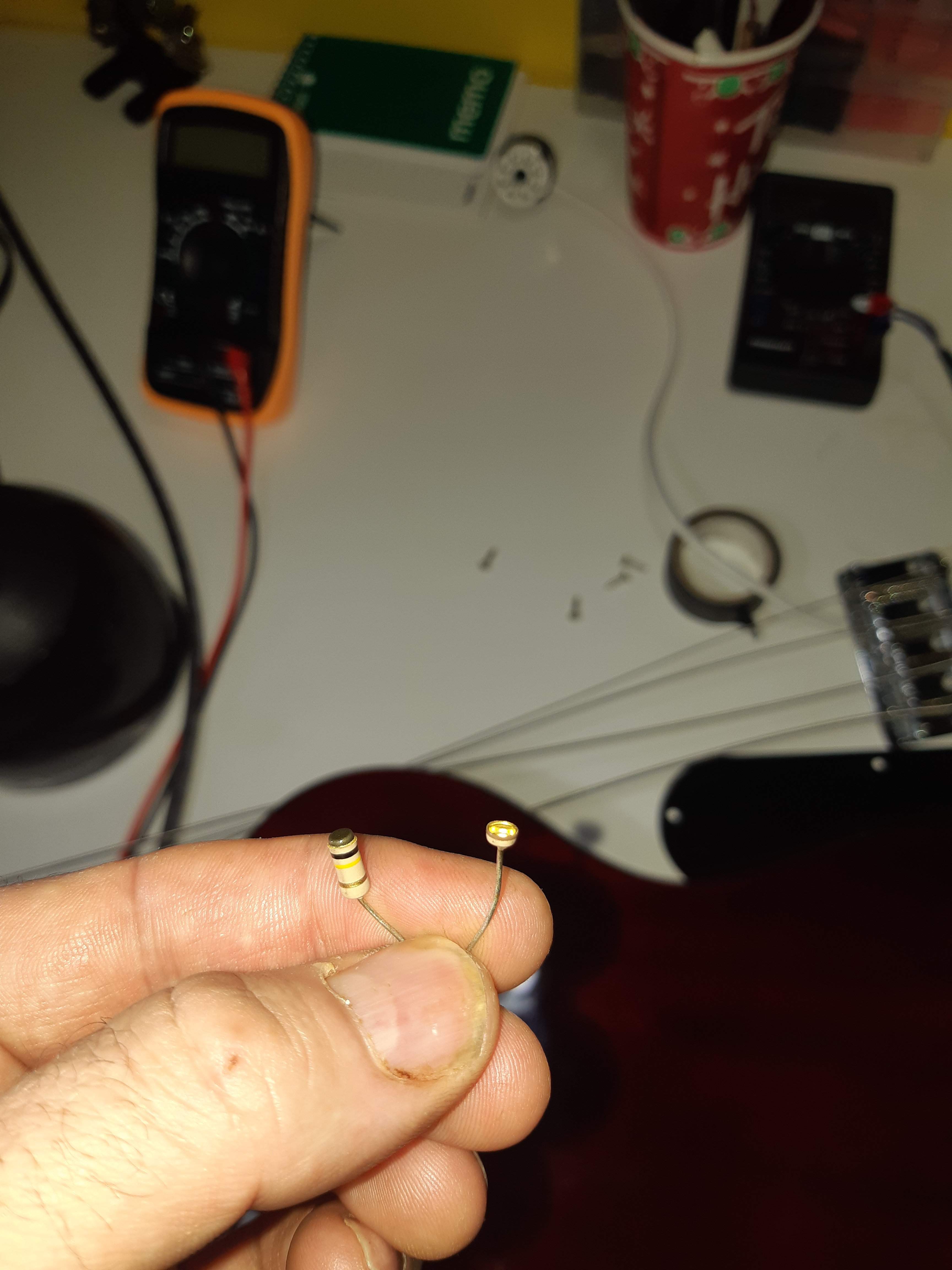
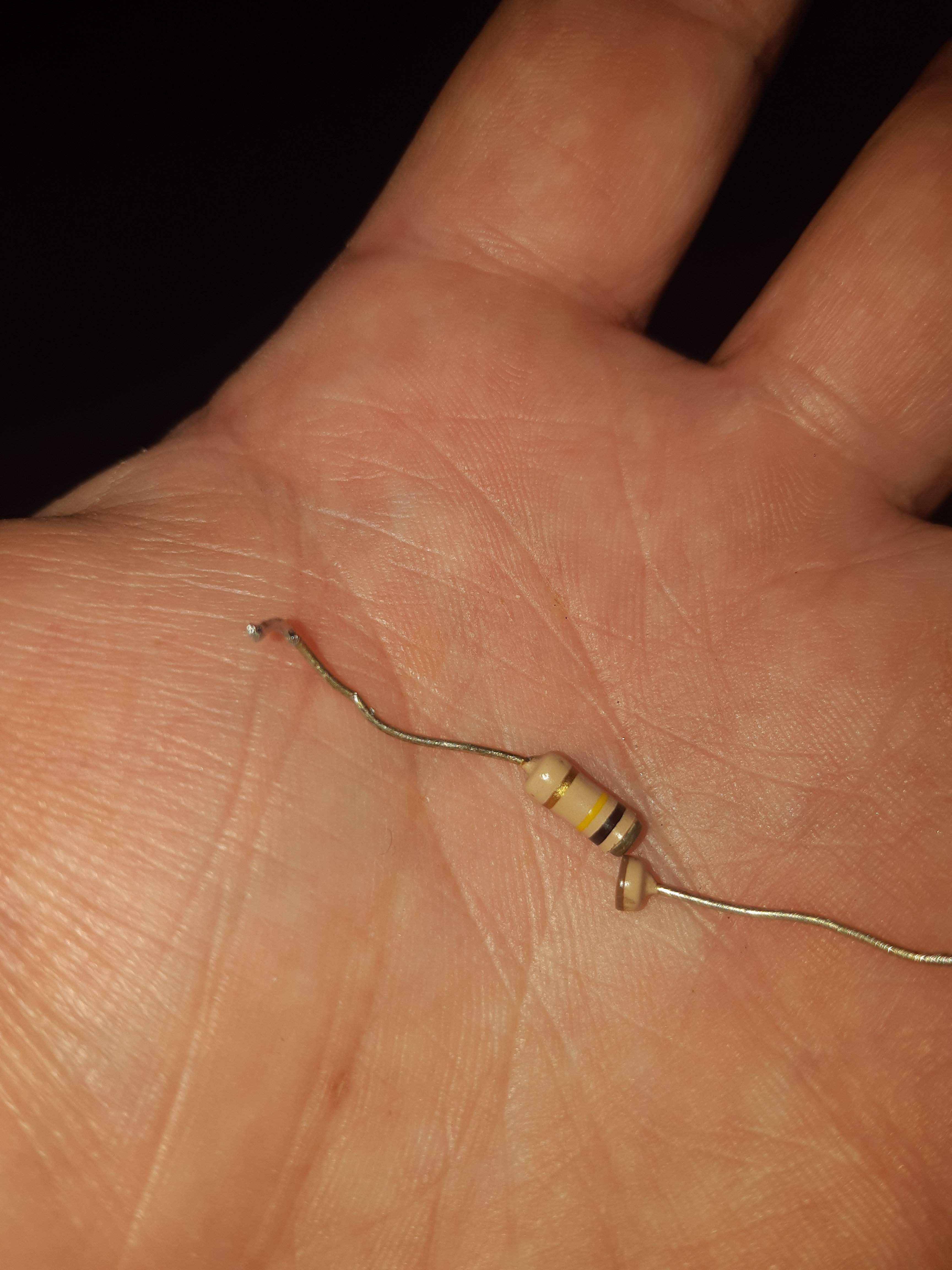
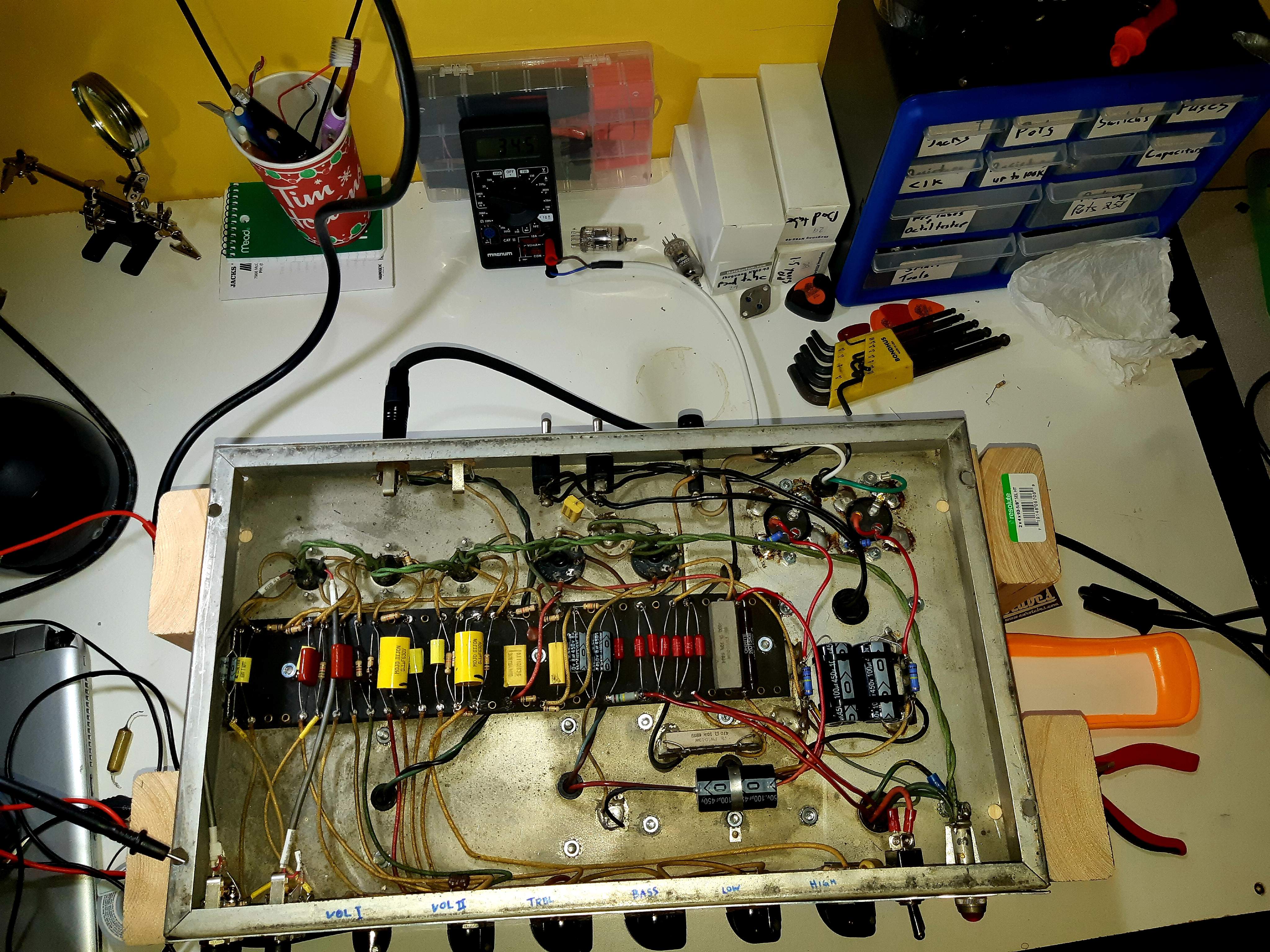
So I just replaced several coupling caps on my one of my amps due to leaks and gave it a good inspection. When I powered it up it was louder than normal and only got worse when you played with any of the controls. After 2 days of swapping caps and trouble shooting I found a couple odd readings. While I was checking a couple solder joints I found the 100k resistor culprit. It was on the negative feedback line and one end cap wasn't connected it was just barely touching the rest if the resistor. Swapped it out and back in business. But wow that was a pain haha.
20200124_155917.jpg
20200124_155724.jpg
20200124_151745.jpg
 
Last edited:
It's funny, I see a fair number of amps that get damaged during repair attempts. Tugging on a part not realizing that the more you manipulate the parts the more often the parts get damaged. The amp works fine until after the repair, common issue.

Not saying that you did this, but with all the parts that were changed in that amp, it's no surprise to me. It's exactly why I discourage changing otherwise perfectly good parts out.

Also, be sure there's adequate clearance between the left tag board mounting nut and the component lead.
 
With eyelet boards, it is important to wrap the wire and component leads up against the metal eyelet, then apply the solder to glue it in place. The eyelet should be the conductor for the leads.

All too often I see wires in the middle of the eyelet, held in place with a blob of solder. Solder is not the best conductor. The image at the bottom with he pot terminal joined to the case with a blob of solder is not the way to do it. The same applies to leads and eyelets.

Test all components before installing them. It doesn’t hurt to clean wire leads before installation if they have oxidation or glue from tape on them.

7299194B-763A-44BF-96FD-19B2B342B0EB.jpeg