• TalkBass has been independent since 1998. Add your voice.
    Create a free account to reply to discussions, view embedded media, and browse with fewer display ads.
    Join freeLog in
    Want zero display ads or expanded classifieds tools? Compare plans.

Anybody Else Running Vintage Vox?

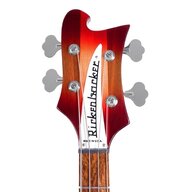
I used to have a Vox Essex in the 80s, and through no fault of my own it disappeared. Was a great sounding/recording amp especially for my 67 Höfner and (new at the time) 85 RIC 4003s.

Flash forward to 2023, and another one finally took its place. Only downside is a tremendous low hum ruining everything. My other amp is a 72 Fender Bassman 100 purchased also in 85. All original, I’m the 2nd owner.

Anyone else using 60s Vox?
 
I used to have a Vox Essex in the 80s, and through no fault of my own it disappeared. Was a great sounding/recording amp especially for my 67 Höfner and (new at the time) 85 RIC 4003s.

Flash forward to 2023, and another one finally took its place. Only downside is a tremendous low hum ruining everything. My other amp is a 72 Fender Bassman 100 purchased also in 85. All original, I’m the 2nd owner.

Anyone else using 60s Vox?

I have an early 60s AC30 with added Top Boost. I bought it for guitar, but it sounds fabulous with bass. Yes it hums a bit. My understanding is this is typical of this era AC30; players tend to accept it.

I don't know how much hum your amp should have.

I don't know for sure why early AC30s hum. Some suggestions I have seen:

1. Power supply filtering is pretty low. However, changing the amount of filtering will have an impact on the feel of the amp...so it's not done. I also think the first filter cap must be somewhat small for the health of the tube rectifier.

2. I have seen some claims that the hum is due to problems with the amp's layout. This is not something that can be changed without totally changing a coveted vintage amp.

Another factor I suspect. Ideally the push and pull sides of the output section pull the same amount of current. Normally hum is supposed to cancel in the output transformer. If the tubes are not well matched, the hum does not cancel sufficient.

The AC30 is cathode biased. All four tubes have their cathodes tied together and they are connected to ground by a single resistor. The resistor has a capacitor to bypass AC.

Also the primary windings of output transformer are not perfectly balanced. This cause one side of the transformer to run a bit higher voltage. The two tubes that see the extra voltage will pull more current. Keep in mind since this amp is cathode biased, more voltage = more bias.

My guess is the shared cathode resistor compounds the problem. I.E. the bias pulled by the two hot tubes tends to further reduce the current pulled through the two cold tubes.

Not sure how much of a difference it would make, but I have considered putting the push and pull tubes on their own discrete cathode circuits. The tubes with higher plate voltage would still pull more current, but they would not suppress the current of other two tubes.

I don't know how much of an impact this mod would have on the way the amp sounds and feels. I assume the common cathode resistor creates some negative feedback between the push and pull side of the circuit.

I have some Ashdown 30W amps with cathode bias. Each tube has it's own cathode resistor and bypass cap.

I did try shuffling the output tubes around. The person who previously worked on the amp apparently made sure the coldest pair of tubes were already on the hot side of the OT.
 
These amps are usually dead silent. Power section was directly adapted from a Thomas organ - chassis still has the brackets for the organ volume pedal. 35W with germanium transistors if I remember correctly. Have the schematics for the entire Thomas-built line somewhere - haven't had to fix one in years. For all the other screw-ups in American made amps using the Vox name by license, Thomas was very good with their grounding scheme.
If the internal wiring isn't hacked up, this is likely a power supply filter issue, have it checked by a qualified tech. I always found any Vox bass amp entirely lacking in balls, but for recording or practice, adequate (if you like the Tone-X)
 
  • Like
Reactions: JO6 and Wasnex
How does hum from the current amp compare to the amp you owned in the 80s? If the current amp hums noticeably more, chances are it needs to be seen by a good tech. If the hum is about same, it could be typical for the design.
The hum in the 80s was like a high pitched squeal. This one is definitely a low pitched hum.
 
These amps are usually dead silent. Power section was directly adapted from a Thomas organ - chassis still has the brackets for the organ volume pedal. 35W with germanium transistors if I remember correctly. Have the schematics for the entire Thomas-built line somewhere - haven't had to fix one in years. For all the other screw-ups in American made amps using the Vox name by license, Thomas was very good with their grounding scheme.
If the internal wiring isn't hacked up, this is likely a power supply filter issue, have it checked by a qualified tech. I always found any Vox bass amp entirely lacking in balls, but for recording or practice, adequate (if you like the Tone-X)

im no tech so hesitate to rip into it. I’ve used a few, and with the beautiful unmistakable sound, perfect for that smooooth tone it gives.

more than enough for recording, and the one I had in the 80s was actually off a guy using it in a local restaurant band, 3 piece, and worked well.

I was under the impression it was 50 watts
 
Sounds like you need your amp properly diagnosed and repaired?

It’ll have to get behind a R2R, a MiniDisc, and old BMW 7 series . It’s just for recording, don’t play out live anymore, and is much easier to get around than the Fender.

Also vintage amp guys are like hen’s teeth around here……..especially Vox.
 
I used to have a Vox Essex in the 80s, and through no fault of my own it disappeared. Was a great sounding/recording amp especially for my 67 Höfner and (new at the time) 85 RIC 4003s.

Flash forward to 2023, and another one finally took its place. Only downside is a tremendous low hum ruining everything. My other amp is a 72 Fender Bassman 100 purchased also in 85. All original, I’m the 2nd owner.

Anyone else using 60s Vox?
Here’s the lowdown…
The VOX Showroom - The Vox Essex Bass Amplifier - V-4, V104, V1041, V1042 and V1043

I was never impressed with any Thomas Organ(US)manufactured amps, except the earliest tube-based Pacemaker small guitar combo(there were a couple of others in that configuration, but they were all eventually changed to solid state). Otherwise, the American transistor gear ranged from underwhelming to awful for me. Shrill and underpowered, and having very little to do(if anything at all besides the cosmetics)with the classic British sound…and it’s not like Vox UK made a truly great bass amp.
I had one of those tube Pacemakers, but before that a Sovereign rig that I picked up insanely cheap in 1980. Supposedly a bass amp, it was 60 watts into a shallow 4x12 cab, utterly worthless for bass, kinda ‘meh’ for guitar, used it for one gig and then dumped it. In addition, I have a 1966 British JMI
Vox AC30, with the Blue 12’s, it is absolute guitar tone heaven. I’ve played bass through it at low levels, it is very rich sounding.
 
Last edited:
  • Like
Reactions: Wasnex
I don't own any vintage Vox amps but I have used a friend's 60s AC30 for recording bass on several occasions. Like most 60s tube guitar amps it was superb for recording bass (with an external bass cab though, I think I used an old Peavey 2x15 on those recordings).

I do have a newer AC15 Custom head in my home studio. Great little amp for guitar. Maybe I should try it on a bass recording some day?;) It doesn't seem to have quite the "heft" of that vintage AC30 but who knows...?
 
two part answer - I purchased the head from a Vox V125 bass/cab set. The cab they made was a 15" folded horn, I think but the seller didn't have it. It was OK. I connected the amp to a 2x12 bass cab. I have little tolerance for hum and the refurb of the amp was going to get expensive fast so I traded it privately for something else.
As for the Essex. I really wanted to like this style of amp but wisely, I believe, never bought one. They're still really expensive and the power is low and tone is questionable. I recall reading a story, on Talkbass I think, where the bass player in a (young guys) band gigged with the amp and it was so horrible sounding that they stopped the car on a bridge after the show and threw it in the river.
I've seen the guts of an Essex on multiple buy/sell sites. No cab at all. Schematic included; seller is looking for someone to buy it and restore it. That ad has been up for over a year on my local site and it's been around for several years elsewhere. The guy says he intended to fix it up but never got around to it. That story appears on all those ads I've seen. I'll be glad to see that ad disappear one day. I won't be buying it and I have the skills to restore it...but there's no upside to that amp for me.
 
  • Like
Reactions: MarshallAC50Stack
I have an early 60s AC30 with added Top Boost. I bought it for guitar, but it sounds fabulous with bass. Yes it hums a bit. My understanding is this is typical of this era AC30; players tend to accept it.

I don't know how much hum your amp should have.

I don't know for sure why early AC30s hum. Some suggestions I have seen:

1. Power supply filtering is pretty low. However, changing the amount of filtering will have an impact on the feel of the amp...so it's not done. I also think the first filter cap must be somewhat small for the health of the tube rectifier.

2. I have seen some claims that the hum is due to problems with the amp's layout. This is not something that can be changed without totally changing a coveted vintage amp.

Another factor I suspect. Ideally the push and pull sides of the output section pull the same amount of current. Normally hum is supposed to cancel in the output transformer. If the tubes are not well matched, the hum does not cancel sufficient.

The AC30 is cathode biased. All four tubes have their cathodes tied together and they are connected to ground by a single resistor. The resistor has a capacitor to bypass AC.

Also the primary windings of output transformer are not perfectly balanced. This cause one side of the transformer to run a bit higher voltage. The two tubes that see the extra voltage will pull more current. Keep in mind since this amp is cathode biased, more voltage = more bias.

My guess is the shared cathode resistor compounds the problem. I.E. the bias pulled by the two hot tubes tends to further reduce the current pulled through the two cold tubes.

Not sure how much of a difference it would make, but I have considered putting the push and pull tubes on their own discrete cathode circuits. The tubes with higher plate voltage would still pull more current, but they would not suppress the current of other two tubes.

I don't know how much of an impact this mod would have on the way the amp sounds and feels. I assume the common cathode resistor creates some negative feedback between the push and pull side of the circuit.

I have some Ashdown 30W amps with cathode bias. Each tube has it's own cathode resistor and bypass cap.

I did try shuffling the output tubes around. The person who previously worked on the amp apparently made sure the coldest pair of tubes were already on the hot side of the OT.

The British made AC-30 has almost nothing to do with any American/Thomas Organ amp like the Essex.
 
I used a big vintage vox tube head in a backline in Arnhem, NL on tour. Pretty sure it was a 200 watt tube head. It sounded really , really good!
Vox never made a 200 watt tube amp; the V125 might have come close, but that was produced in the early 80’s, long after the Tom Jennings golden era, as the company was declining. Here is a complete compendium of all Vox product, UK and US, as well as the Korg era…
The VOX Showroom - Table of Contents
 
Last edited:
Lots of good diags. How old are the caps?
Doesn’t matter, as long as they test good and the diagnostics show they are not the cause of the symptoms.

Correctly identify the cause of the symptoms first, then the repair will be straight forward and productive.
 
I had nothing but great times with my early, 60 watt Westminster. Same head as the Sovereign but with a rear-ported 1x18 cabinet. I didn't push it too hard but it definitely put out it's rated power. It did have some residual noise. A friend of mine had good luck running her Rick through a 100 watt Hiwatt and a 4x12 Sovereign cab, also rear-ported. Those had 12" Oxfords as found in Fender amps of the time. The 18" speaker in mine was a Cerwin Vega...apparently supplying Vox with them is how CV initially got off the ground.
I'm familiar with both tube and SS Cambridge Reverbs. The SS version had fine clean tones, lush reverb and a rich tremolo, but it, like all the Thomas SS amps I've encountered, maxed out when the volume was at 3, then went in to overload. It also has some residual noise. The tube version kills. Blistering when cranked!
I'm also familiar with the Essex 2x12 cab because I played an AC50 through one with the guts removed. Same Oxford 12s, but a sealed cab.
These days modern amps make more sense, especially for bass.
 
Cerwin Vega started in the mid 1950’s and was just a supplier to Thomas Organ and many other companies of the era. Vox didn’t even begin its US affiliation with Thomas Organ until the mid 1960’s when Cerwin Vega was already a substantial company.

Vox chose CV drivers because they were good, available, local and reasonable priced. It’s not how CV got off the ground.
 
Cerwin Vega started in the mid 1950’s and was just a supplier to Thomas Organ and many other companies of the era. Vox didn’t even begin its US affiliation with Thomas Organ until the mid 1960’s when Cerwin Vega was already a substantial company.

Vox chose CV drivers because they were good, available, local and reasonable priced. It’s not how CV got off the ground.
I read that information in one of the Vox enthusiasts books and took it on face value.
 
I read that information in one of the Vox enthusiasts books and took it on face value.
Enthusiasts often unintentionally create misleading or incorrect statements.

My dad knew of (not personally) Gene Czerwinski back in late 1950’s because they both worked in the So. CA aerospace engineering industry. My dad remembered seeing the amp, it was essentially just a solid state sonar amp packaged as an audio amp. I have a picture of it somewhere, it used Delco stud mount PNP Germanium power transistors, which made it even more remarkable.

I worked for Cerwin Vega as a field service tech while finishing my engineering degree, about 1979-80.

What’s funny is that when I first met Bill Hughes (the designer of the SVT as well as many notable Fender products), he reminded me of being cut from the same cloth as Gene.

Many of the technologies and techniques that we take for granted today were developed by those who came before us.