Well, like far too many other things in my life I am caught in media res: I have not finished the book and therefore cannot write my intended review of it. But three things I liked right off the bat.
1) The book is large-print (which helps account for the white space), which is a blessing to aging eyes.
2) The binding is spiral notebook rather than traditional book binding, which means it will lie flat on the page you are turned to. You do not have to weigh down the book to hold your place.
3) After each section is a blank page for notes, which enables each owner to "personalize"" the book to codify certain techniques which may be unique to them. (And I acknowledge that I am wording this badly.)
If I had to do a quick summation, I would say the book's approach is that of a "recipe"book: Mr. Schnitzler presents the task to be performed, identifies the tools and materials needed, and then walks us through the process -- warning us of caveats along the way. I find especially valuable the "whys," because without these one cannot makce any inductive leaps on how to approach different, but similar, projects.
berI do wish Mr. Schnitzler had provided a chapter on how to remove and replace fingerboards.







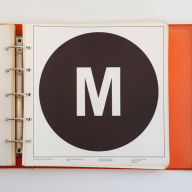

 Got mine by pre-ordering from Gollihurs. Production aesthetics reminded me of something printed at home with a Mac in the 80’s. Content is quite brief with lots of white space. That said it’s worth a read through for anyone doing some at-home work on their upright bass. I got a couple of new ideas that were worth the modest cost of the book. Then used them doing a bit of work on a bass I got from Arnold!


