• TalkBass has been independent since 1998. Add your voice.
    Create a free account to reply to discussions, view embedded media, and browse with fewer display ads.
    Join freeLog in
    Want zero display ads or expanded classifieds tools? Compare plans.

Double Bass April CSI Luthier: Broken heel, failed hot hide glue, failed screws

james condino

Spruce dork
Commercial User
Sep 30, 2007
5,443
13,478
asheville, nc
www.condino.com
Here is my April CSI Luthier posting, with props going out to Don for the title rights. I'll send him out free tickets to my next gig, if another one ever shows up again after all this virus stuff....

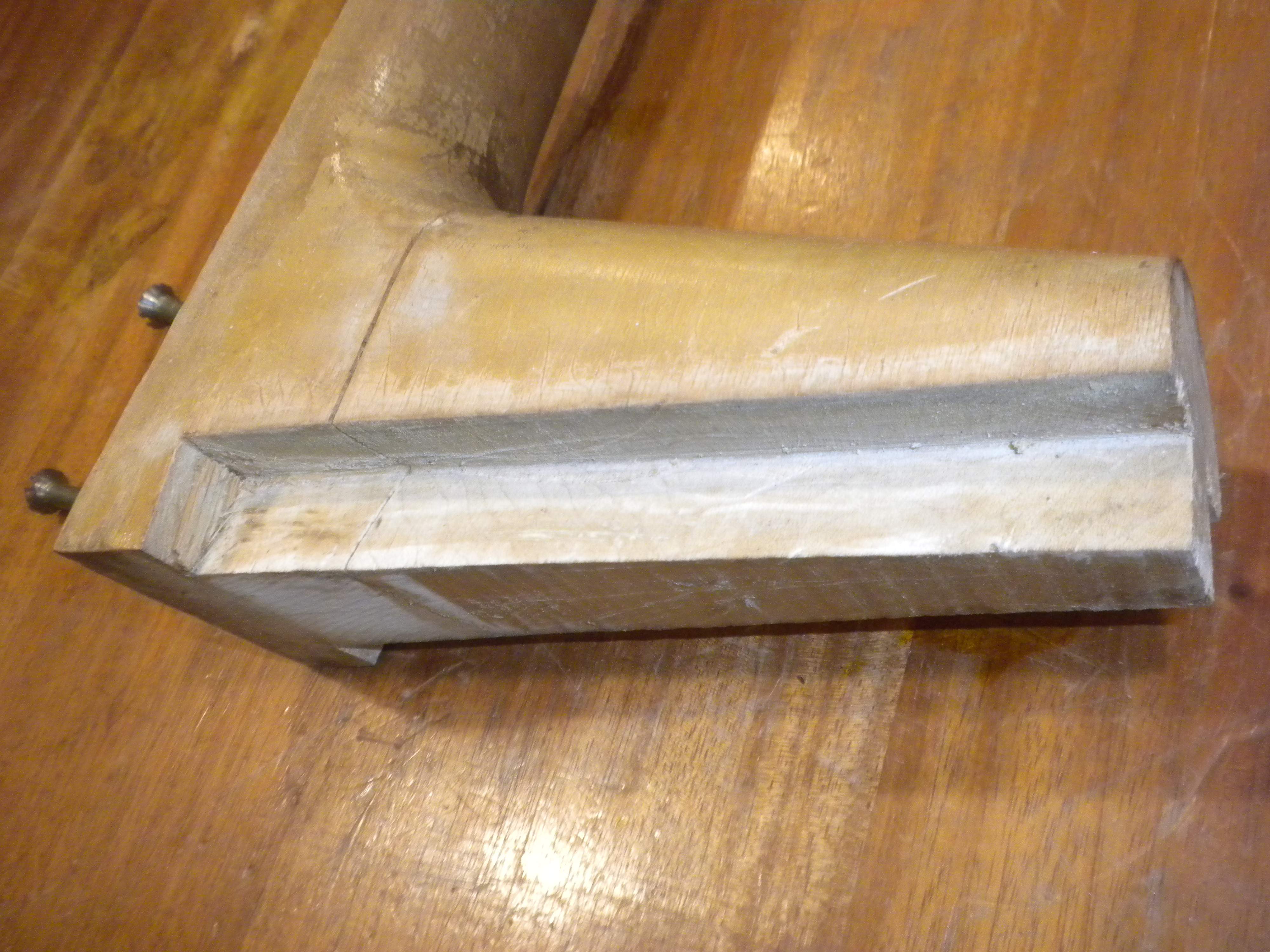
'Nice pre WW2 bass in good condition, a family heirloom handed down from grandfather who gigged with it for decades. Grandson is a solid gigging electric player who is excited to both jump into the upright world AND keep the family tradition going on the old bass. Prior to arriving at my place, the neck had been broken at the heel. Hot hide glue was used to glue it back together. That failed. Fingerboard was removed, two approx. 3" long lag screws were installed under the fingerboard; those also failed.

It came to my shop after being at another for a year with no progress. Getting spotty history and not knowing the level of work, I suggested some exploratory surgery. I was able to steam off the neck very well, but it took about 3 hours of finesse work.

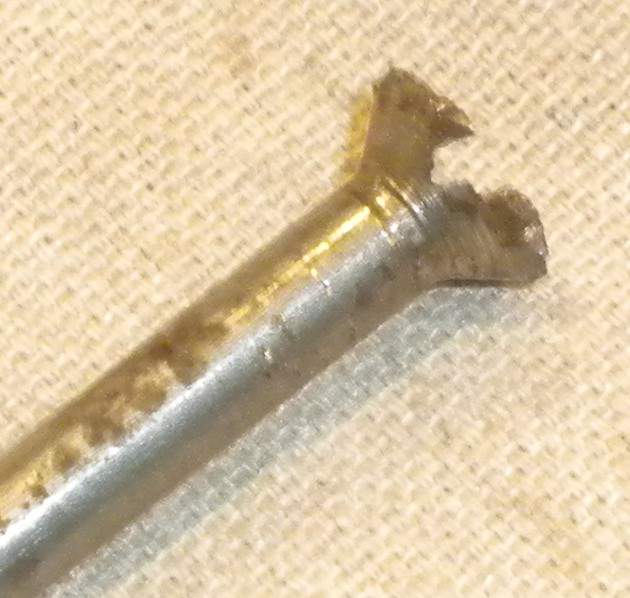
The whole neck joint and block looked good. BUT- running a magnet around the broken heel area I was able to feel a bit of pull in a couple of places. That with the old suspicious fingerboard glue seam suggested metal hardware. The fingerboard was a B!@#$ to get off- about three different types of old glue including stubborn old epoxy....sure enough, two big steel screws were sunk and then buried with epoxy AND the head of one was stripped. A die grinder helped me cut a new slot and a hot soldering iron warmed up and loosened the glue mess enough so that the lags came out successfully.

One lag went into the front of the neck and almost punched through the dovetail; poor angle. The other went into the heel side at a good angle, but only had about 3/4" of material past the break. I was surprised that the short lags did not create a second break mid heel where they terminated. I'm of the impression that everything probably would have held reasonably well if the lags went the entire length of the heel.

Lets add one more important aspect to the conversation: it lived in Tennessee. Hot, humid, cranky southern summer outside gigs combined with cold cranky winters, rowdy gigs, and definitely not delicate players or environment.

I'll post few photos of it all as is and then try to update with progress. I do a few dozen of these per year, as time allows in between the other work and new builds. EVERY one of them is different and they all seem to need their own specific creative response. For conversation and educational purposes, I like that this one has failed the two most common responses: hot hide glue, and metal hardware. I also like that while both of these choices eventually failed, they are both reversible, unlike epoxy or other modern adhesives.
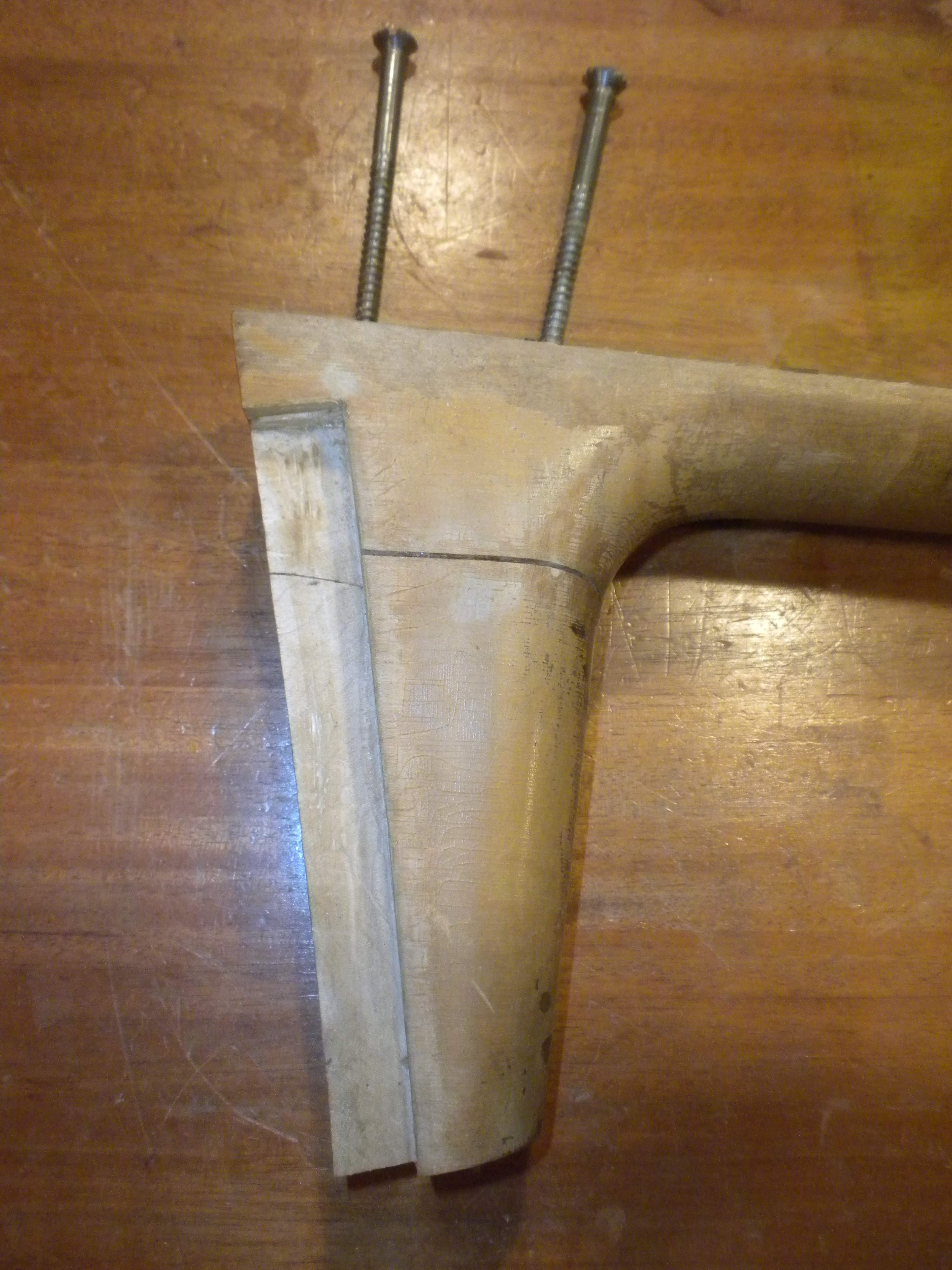
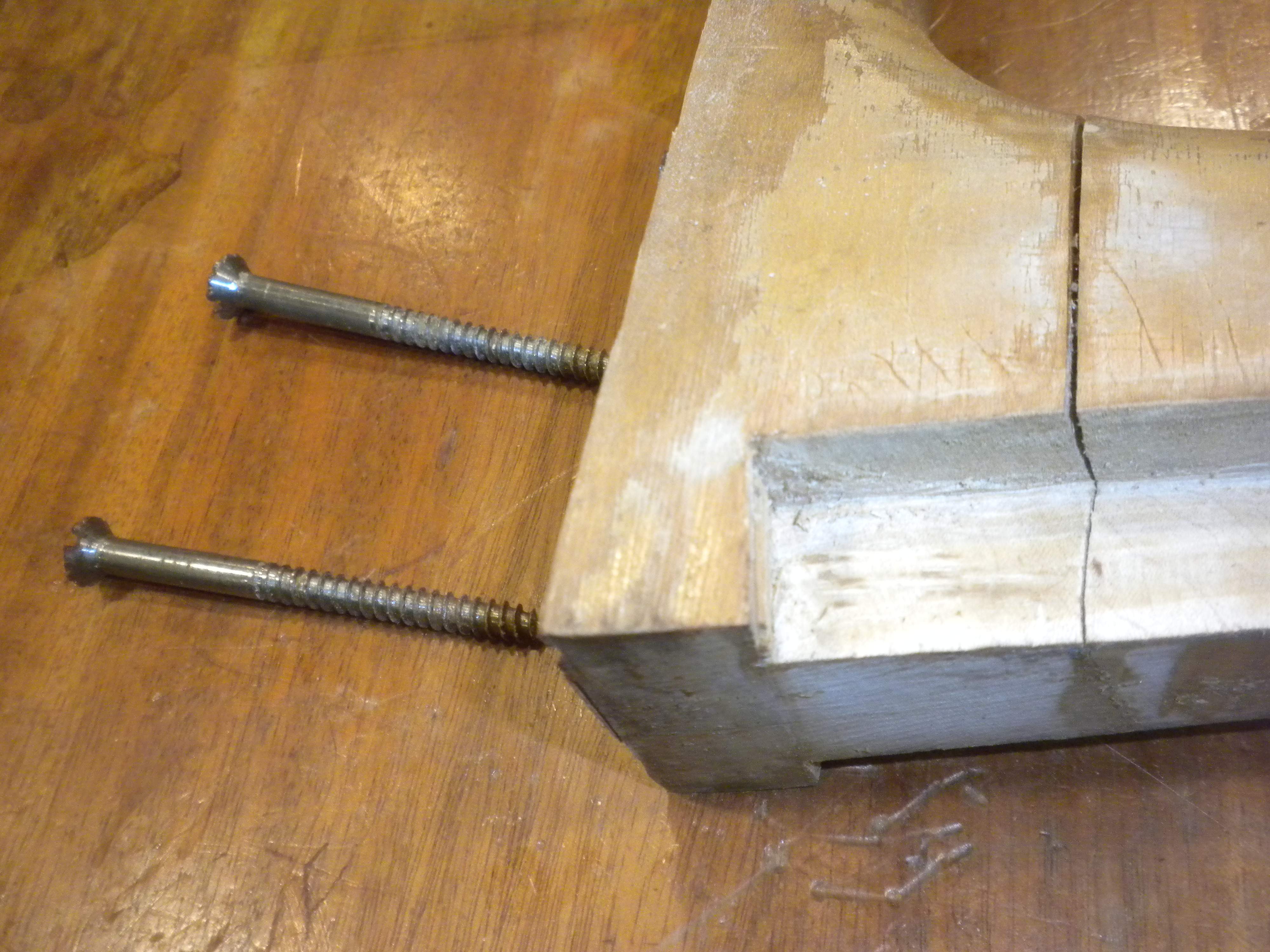
DSCN9300.JPG
DSCN9306.JPG
DSCN9309.JPG
DSCN9320 v2.0.jpg


My favorite last comment to remember, "I didn't break the $#@%!^& thing. I'm the guy trying my best to help you fix what is left rather than insisting that you get a new neck..." ;););)


j.
www.kaybassrepair.com
 
Last edited:

I wouldn't call those "lag bolts" I'd call them "long wood screws".

All the threads on this common failure mode lead me to two questions:

1) Other than making a new neck (which will still have cross-grain stress at the heel, an inherent weak point) what IS a reliable long term repair for this? It seems that any metal hardware of fixed length is guaranteed eventually to work loose, given the inevitable expansion/contraction of wood and the crushing of the fibers.

2) Is there any agreement about a design change that would prevent this common failure? Three piece neck with a cross-grained lamination in the center? Detachable with a big steel L shaped plate to take the bending stress rather than the wooden heel?
 
  • Like
Reactions: unbrokenchain
James, I'd be asking about the possibility of making this into a removable/adjustable neck with this one. Is that do-able with this neck's heel situation?

Other people do this, but my impression is that many old Kay necks tend to be so wimpy that you are lucky if they will hold together under normal use; add the extra removable modifications and you weaken it further, so I don't do it to factory spec necks. Add this existing heel break and while I feel I could come up with an end result that will work fine for my personal daily needs and likely hold up, I don't feel willing to offer it up for someone else who expects me to offer it with a warranty. I do make a lot of removable neck conversions, but with either a complete new neck or a scroll graft on to a new blank setup with traditional big German style mortise and tenon.

A little bit of progress after spending most of the day dealing with the multiple giant / massive old oak trees that fell from my @$$#&!% neighbor's yard into mine, taking out the fence in multiple places and more with those big storms all over the south this week. More patient finessing with a steamer separated the old failed heel glue up and also cleaned up all of the older residue:

DSCN9327.JPG
DSCN9331.JPG


Many people would just go with more hide glue over the old and re-clamp. Since I don't know the history other than it failed, my general preference is to get rid of all the old work and start with as clean a surface as I can.
 
Last edited:
Even though the broken joint looked fairly clean, there was some compression of the wood from the original impact who knows how long ago such that no matter how I approached it, the joint would never line up as tight as I like it. I glued it back together with hot hide glue so I could attach it to a jig and then I cut out the whole old break and glue seam in one very precise clean cut. I'll take an excellent fit clean joint over a mediocre one any day, even though it means more work for me. Here is an old thread where I've shown this in the past (plus a bit of ranting & distractions from everyone involved...):

Tulip poplar Kay neck...????

I used the tablesaw and a brand new fresh blade:

DSCN9342.JPG


Just to clarify for the tool nerds, it is no $150 Harbor freight jobsite saw. That's a $4000 Sawstop with a left tilt blade coupled to a 1946 Unisaw with a right tilt blade. My usual preference would be for the Sawstop on a big cut, but due to the angle of the break, I used the old unisaw. It came out perfect.

Condino tablesaw 1.JPG


'More to come....
 
Last edited:
Even though the broken joint looked fairly clean, there was some compression of the wood from the original impact who knows how long ago such that no matter how I approached it, the joint would never line up as tight as I like it. I glued it back together with hot hide glue so I could attach it to a jig and then I cut out the whole old break and glue seam in one very precise clean cut. I'll take an excellent fit clean joint over a mediocre one any day, even though it means more work for me. Here is an old thread where I've shown this in the past (plus a bit of ranting & distractions from everyone involved...):

Tulip poplar Kay neck...????

I used the tablesaw and a brand new fresh blade:

View attachment 3792925

Just to clarify for the tool nerds, it is no $150 Harbor freight jobsite saw. That's a $4000 Sawstop with a left tilt blade coupled to a 1946 Unisaw with a right tilt blade. My usual preference would be for the Sawstop on a big cut, but due to the angle of the break, I used the old unisaw. It came out perfect.

View attachment 3792923

'More to come....

And a custom sunburst roller... No-yce!
 
  • Like
Reactions: james condino
Cool old bass, putting up a good fight even after all of these years.

Being more than a bit OCD in the shop, I set, re cut, and glued up the heel three times until I was satisfied with the end result. Some times it is difficult to explain. It reminds me of back when I used to lead mountaineering expeditions. Some days the weather is actually decent, the snow & ice conditions look reasonable, but when you get boxed up inside a steep couloir roped up cutting steps in the ice and working away, something feels off. You dig an avalanche pit, do a bit of snow geomorphology, and assess the situation. It's not perfect, but many would accept it and keep going. More than once, I decided to turn around and bail off the route & head down to basecamp; unsuccessful summit attempt. Three hours later I look up in the hourglass where we were and it all avalanches off through my footsteps.....+1 for the conservative approach.

Same thing with some old repairs: no clear reason why to the someone else, but better to back off and do it again even if it takes more bench time, rather than have an avalanche later in the shop or on a gig.

Neck glued back together and rock solid. Since we had older failures from epoxy, yellow glue, hide glue, and metal hardware, I went for the next option: I used the old hardware holes as a guide and inserted a giant beam of carbon fiber the entire length of the repaired heel and then added two more on the long axis of the neck under the fingerboard. The heel beam is a big carbon fiber tube that was also internally boxed with two more solid beams. You could probably hang my old Toyota off that before all of that the carbon breaks.

It should all go back together later this week and then I get to reproduce my favorite early 1950s telecaster butterscotch finish.

The May episode of Luthier CSI will be a well used 1964 Fender Precision that had been refinished at least six times and had some interesting hippee router work over on the slab side....

DSCN9449.JPG


A little bonus from the mountaineering side (the bass player took the photos...)
4.JPG

5.jpg
6.jpg
7.JPG
8.jpg
 
Last edited:
:thumbsup:
Dude, how did you know I was doing backpacking gear-inventory today? Must be the weather or cabin fever, or just something in the air. Gonna get out on a multi-day this week, sure could use a new tent and mess kit but the outfitter shop is closed, meh at least I've got a woods-worthy mandolin. Anyway. /derail
 
A little unfinished update:

I never got a chance to get the final photos of the bass before it left, but I did want to show a bit more of the surgery. Old Kay necks are floppy to begin with and they make me even more nervous when you add a broken heel. In addition to the tube going the length of the heel, I also usually box the inside of the tube with another solid beam of carbon fiber in the next step. That makes me more confident in the heel staying together. Then under the fingerboard gets a bit more hippee routing & a couple of more beams of carbon fiber on the long axis. The yellow tape is just to mask off everything when the glue gets applied.

DSCN0399.JPG

A similar example from a few weeks later ready for finish:

DSCN0462.JPG


Once again, I didn't break the !@#$%^' neck; just trying to help someone out in a manner that we both can find common ground. The obvious solution is a new neck, but many people around here and elsewhere get very emotionally attached to their old junk and want to preserve it. All of the carbon gives me more confidence that it will hold up to the next time they go stage diving into the mosh pit.....sort of a "necessary evil"...Remember that even Stradivari put nails in his neck joints!
 
Last edited: