on the Accu-cast B306 bridge for the Ibanez SR506 does anyone know if a .145 will fit in the B string saddle so I can go to A standard tuning

Enjoy the benefits of a premium membership!
Upgrade Account
-
TalkBass has been independent since 1998. Add your voice.
Create a free account to reply to discussions, view embedded media, and browse with fewer display ads.
Join free Log in
Want zero display ads or expanded classifieds tools? Compare plans.
You are using an out of date browser. It may not display this or other websites correctly.
You should upgrade or use an alternative browser.
You should upgrade or use an alternative browser.
Bridge saddle and strings
- Thread starter PERDZOMBIE
- Start date
More options
Who Replied?
Using string that thick, it's better get the tapered version. D'Addario has XL Nickels and Pro Steels .145 in 2 variants: non tapered .145 and tapered .145T. Most likely the tapered variant would fit your Ibby bridge & saddle just fine.

Parden my ignorance what exactly is a tapered stringUsing string that thick, it's better get the tapered version. D'Addario has XL Nickels and Pro Steels .145 in 2 variants: non tapered .145 and tapered .145T. Most likely the tapered variant would fit your Ibby bridge & saddle just fine.

Parden my ignorance what exactly is a tapered string
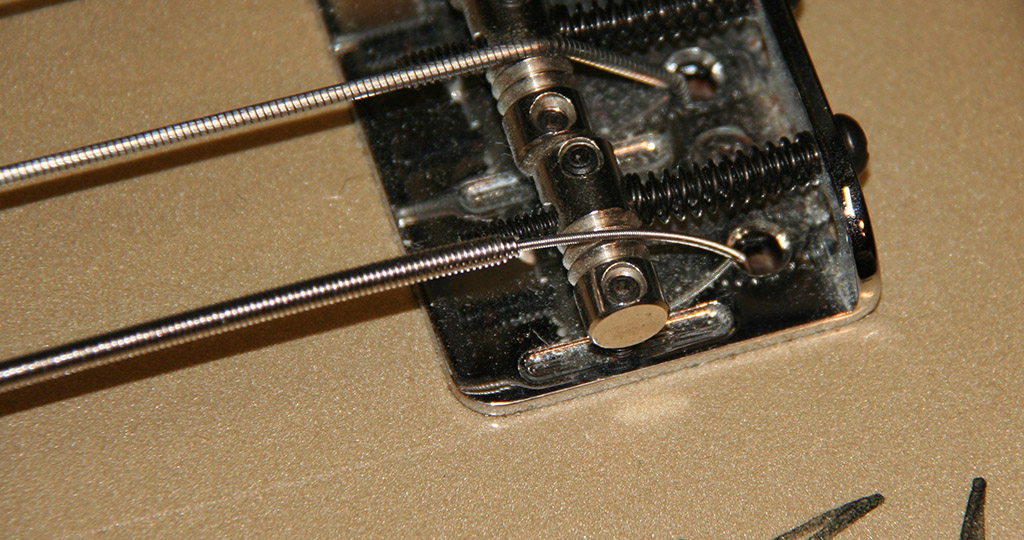
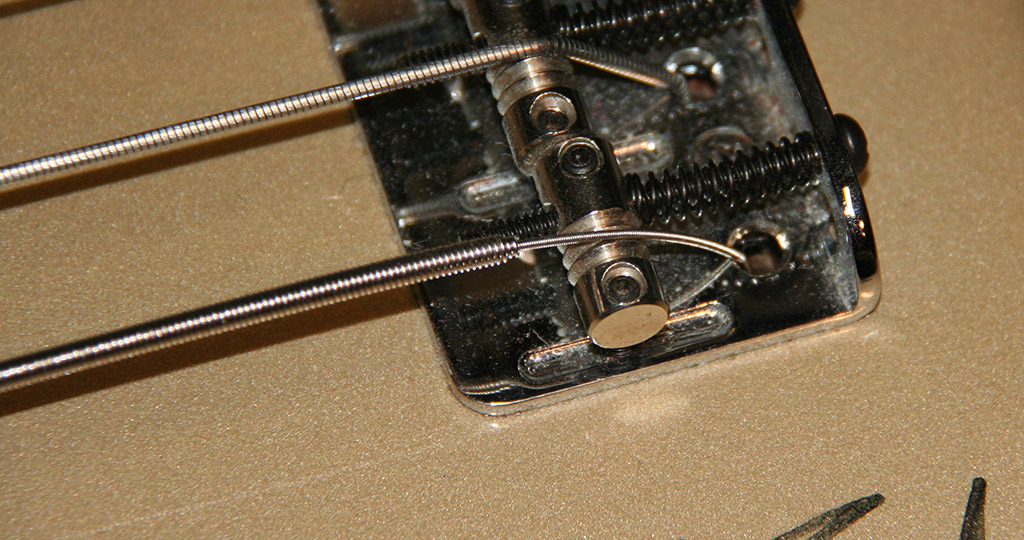
The "tapered" strings have a small portion at the ball end without the full winding so the part that sits over the saddle is thinner than the main body.
wow engineering at its finest right there I actually didn't know about thatThe "tapered" strings have a small portion at the ball end without the full winding so the part that sits over the saddle is thinner than the main body.
will this fit my 34" scale bass Amazon.com: D'Addario XB145SL Nickel Wound Bass Guitar Single String, Super Long Scale, .145: Musical InstrumentsThe "tapered" strings have a small portion at the ball end without the full winding so the part that sits over the saddle is thinner than the main body.
As an Amazon Associate, TalkBass may receive commissions from qualifying purchases made via links on this site.
will this fit my 34" scale bass Amazon.com: D'Addario XB145SL Nickel Wound Bass Guitar Single String, Super Long Scale, .145: Musical Instruments
D'Addario "Super Long Scale" has a winding length of 38" from the ball end to taper, while their "Long Scale" is 37.1".
You might want to measure the actual distance on your bass between where the ball end sits and the tuner post for the B string to make sure it's more than 38". With a string that thick, what you don't want is for the main body of the string to end up wrapping around the tuning post.
As an Amazon Associate, TalkBass may receive commissions from qualifying purchases made via links on this site.
That is the normal wound at the ball end side, not the tapered that I was referring.will this fit my 34" scale bass Amazon.com: D'Addario XB145SL Nickel Wound Bass Guitar Single String, Super Long Scale, .145: Musical Instruments
Long scale vs. super long scale is another matter you should address by measuring the required string winding length on your exact bass guitar. The numbers have been presented by michael_t. But since you've mentioned yours is the SR506, IME with similar SR series, a long scale version would be best fit its required winding length. A super long scale would be too long for the low B string so the thick part of the string would end up be wound on the tuning post, a condition which better be avoided, cause it could jeopardize the integrity of the string.
One of the strings I was referring could be obtained from this page:
Invalid Link Removed
and choose the .145T (with a T which stands for Taper, instead of plain .145).
As an Amazon Associate, TalkBass may receive commissions from qualifying purchases made via links on this site.
i couldnt find d'addario 145t long scale only super long thank youThat is the normal wound at the ball end side, not the tapered that I was referring.
Long scale vs. super long scale is another matter you should address by measuring the required string winding length on your exact bass guitar. The numbers have been presented by michael_t. But since you've mentioned yours is the SR506, IME with similar SR series, a long scale version would be best fit its required winding length. A super long scale would be too long for the low B string so the thick part of the string would end up be wound on the tuning post, a condition which better be avoided, cause it could jeopardize the integrity of the string.
One of the strings I was referring could be obtained from this page:
Invalid Link Removed
and choose the .145T (with a T which stands for Taper, instead of plain .145).
i couldnt find d'addario 145t long scale only super long thank you
Where are you located?
the link on my previous post belongs to one of TBers (@SLaPiNFuNK) and he could mail it to you just about anywhere in this world. He is super recommended here.i couldnt find d'addario 145t long scale only super long thank you
Make an account there and send him a personal message here on TB mentioning your account so he could upgrade your account as VIP member as lots of other TBers have already.
Last edited:
USA i just was trying amazon so it could ship fasterWhere are you located?
USA i just was trying amazon so it could ship faster
What's the point of shipping faster if you can't get the right thing?

@Aidil already provided you with the link above for the best place for shopping for strings if you live in the US.
would a 160 good tension in drop g GDGCFA# and be able to go back to BWhat's the point of shipping faster if you can't get the right thing?
@Aidil already provided you with the link above for the best place for shopping for strings if you live in the US.
would a 160 good tension in drop g GDGCFA# and be able to go back to B
.160 for B? I don't think so.
you are aware that putting larger string above .135 gauge will require you to enlarge the nut slot, aren't you? And probably also the nut slots for the adjacent strings, if you change them to larger gauges too.would a 160 good tension in drop g GDGCFA# and be able to go back to B
Few years ago I used .175 for the F#0 tuning (F#BEADG) on my 34" 6er and the tension wasn't that good on the open F#0 string. Some said that I should use larger gauge, something in the .190 area, to get good tension on the open F#0 string. Although I didn't do it (I opted to go back to standard BEADGC strings instead), but I might suggest that you use larger than .160 gauge for a good tension open G0 string.
Even if you have enlarged the nut slot, as long as the slot bottoms stayed the same/weren't made deeper, you could go back using the standard BEADGC strings just fine as I did.
Last edited:

I have no direct experience with strings that large, but FWIW tension charts say a .160" probably won't break if tuned to B0 (tension would be about the same as a common .065 tuned to D2). Unless it has a very thin core, that is. It's up to you, but at least it's not an experiment doomed to fail, because of numbers on paper, already.would a 160 good tension in drop g GDGCFA# and be able to go back to B


