The cloth wire is nicer to work with since it is push-back, so it closes up to the pots nicely. It also doesn't melt on the wire while you are heating up the pot.
Plus it sounds more.
Plus it sounds more.

TalkBass has been independent since 1998. Add your voice.
Create a free account to reply to discussions, view embedded media, and browse with fewer display ads.
Join free Log in
Want zero display ads or expanded classifieds tools? Compare plans.

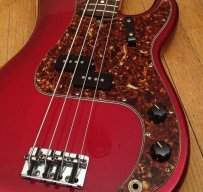
what bass are you buying this "harness" for? if it's a USA or even mexi fender, there's literally zero point, you already have most of that stuff in there.Does this sound like a good harness for a passive P bass.
Standard wiring kit for P Bass®. Features high quality USA made components for the best in tone and durability. Kit includes: (2) CTS 250k solid shaft pots, Switchcraft 1/4" jack, 4 ft. each black/white poly wire, and .047mfd Orange Drop tone capacitor
Shaun


Cloth insulation will have a rounder smoother bottom end tone, while plastic will be more pronounced in the highs! Electrons much prefer to flow through the soft touch of cloth.

These are high quality Components for longevity ' s sake. They will go typically longer with out problems. With Solid Shaft Pots You Will Need Knobs with set screws. The shift is not subject to breakage as easily as split shafts are.

I've had a Sprague .047uf orange drop and a Panasonic gumdrop cap (same capacitance) in my gigging bass, and I've never heard a difference in the voicing of my chordatures.

Split shaft pots are not more inclined to breaking if the correct knobs are used on them. Those prewired harnesses that sell on Ebay for $50 would cost a total of about $12 in parts.
If you do notice a difference it is likely to be the tolerance of the cap. In the old days when I wuz young caps often had +\~ 20% tolerance so a 50 nF cap could be anywhere between 40 and 60 nF.I've used Orange drops, as well as generic capacitors of the same values...never noticed a difference.
If you do notice a difference it is likely to be the tolerance of the cap. In the old days when I wuz young caps often had +\~ 20% tolerance so a 50 nF cap could be anywhere between 40 and 60 nF.
That is some difference, tonewise.
It ain't how low you can go but what you do when you get there!

That I don't know, as I only have ever owned one 5, it's not a Fender or Squier P, and it's got a set of active EMG PJ5's. But they do have several to choose from in both the actives and passive HZ series.What set of EMG's would work with the Squier P5?

Ok, you are correct if you never remove the knob and find you have to open the slot more than once or twice to get a tight fit again.