
Enjoy the benefits of a premium membership!
Upgrade Account
-
TalkBass has been independent since 1998. Add your voice.
Create a free account to reply to discussions, view embedded media, and browse with fewer display ads.
Join free Log in
Want zero display ads or expanded classifieds tools? Compare plans.
You are using an out of date browser. It may not display this or other websites correctly.
You should upgrade or use an alternative browser.
You should upgrade or use an alternative browser.
Cool rock n roll photos
- Thread starter Chad-Chicago
- Start date
More options
Who Replied?


Wes Wilson, Victor Moscoso, Rick Griffin, Stanley 'Mouse' Miller and Alton Kelley helped lay down the warped visual language of 60s psych - their bright inks and barely-legible lettering perfectly complimenting the sounds of bands like Jefferson Airplane, The Mothers of Invention and the Grateful Dead. Blending together a heady concoction of LSD-fueled mind-excursions, Art Nouveau and found images harvested from the S.F. Public Library, their work ditched the typeset formality of advertising in favor of intricate hand-lettering intended to stop people in their tracks. Working with promoters like Bill Graham (the owner of San Francisco's legendary Fillmore Auditorium) and Chet Helms (a pivotal figure who organized countless events in Golden Gate Park), the Big Five elevated the poster into a functional artform. Beyond just informing potential punters of a show, 'be-in' or 'happening', their work also looked good in its own right - and posters were often nabbed from telegraph poles to decorate the damp walls of rented rooms. Off the back of this demand, print runs were increased, with extra posters sold in Haight-Ashbury head shops. The printers played a huge part too. Coming up with the designs was one thing, but producing the actual posters required a strong grasp of the lithographic process, so commercial printers like Tea Lautrec were called upon to help translate the artists' ideas into real, physical objects that could be easily spread across the city. Whilst it's probably important to mention that there were similar artistic movements in cities like London and Detroit, the sheer number of concerts in SF—and therefore the huge need for posters, fliers and other such ephemera—meant that the Big Five, and other San Fran poster artists like Bonnie MacLean and Robert Fried, had an almost-industrial output, unrivalled for both quantity and quality. Gary Grimshaw handled Detroit's poster scene virtually single handed while everyone else totally ignored the Motor City.
GARY GRIMSHAW
The Big Five - the San Francisco Poster Artists | Stan Ray
Invalid Link Removed
GARY GRIMSHAW
The Big Five - the San Francisco Poster Artists | Stan Ray
Invalid Link Removed
Wes Wilson, Victor Moscoso, Rick Griffin, Stanley 'Mouse' Miller and Alton Kelley helped lay down the warped visual language of 60s psych - their bright inks and barely-legible lettering perfectly complimenting the sounds of bands like Jefferson Airplane, The Mothers of Invention and the Grateful Dead. Blending together a heady concoction of LSD-fueled mind-excursions, Art Nouveau and found images harvested from the S.F. Public Library, their work ditched the typeset formality of advertising in favor of intricate hand-lettering intended to stop people in their tracks. Working with promoters like Bill Graham (the owner of San Francisco's legendary Fillmore Auditorium) and Chet Helms (a pivotal figure who organized countless events in Golden Gate Park), the Big Five elevated the poster into a functional artform. Beyond just informing potential punters of a show, 'be-in' or 'happening', their work also looked good in its own right - and posters were often nabbed from telegraph poles to decorate the damp walls of rented rooms. Off the back of this demand, print runs were increased, with extra posters sold in Haight-Ashbury head shops. The printers played a huge part too. Coming up with the designs was one thing, but producing the actual posters required a strong grasp of the lithographic process, so commercial printers like Tea Lautrec were called upon to help translate the artists' ideas into real, physical objects that could be easily spread across the city. Whilst it's probably important to mention that there were similar artistic movements in cities like London and Detroit, the sheer number of concerts in SF—and therefore the huge need for posters, fliers and other such ephemera—meant that the Big Five, and other San Fran poster artists like Bonnie MacLean and Robert Fried, had an almost-industrial output, unrivalled for both quantity and quality. Gary Grimshaw handled Detroit's poster scene virtually single handed while everyone else totally ignored the Motor City.
GARY GRIMSHAW
The Big Five - the San Francisco Poster Artists | Stan Ray
Invalid Link Removed
Fascinating! I'm surprised to see that Robert Crumb isn't included as one of the originals?
as a comic sketch artist he didn't do what they did and they could never do what he did! lolFascinating! I'm surprised to see that Robert Crumb isn't included as one of the originals?
shot at Warner Bros. backlot


IMMusicRulz
Commercial User


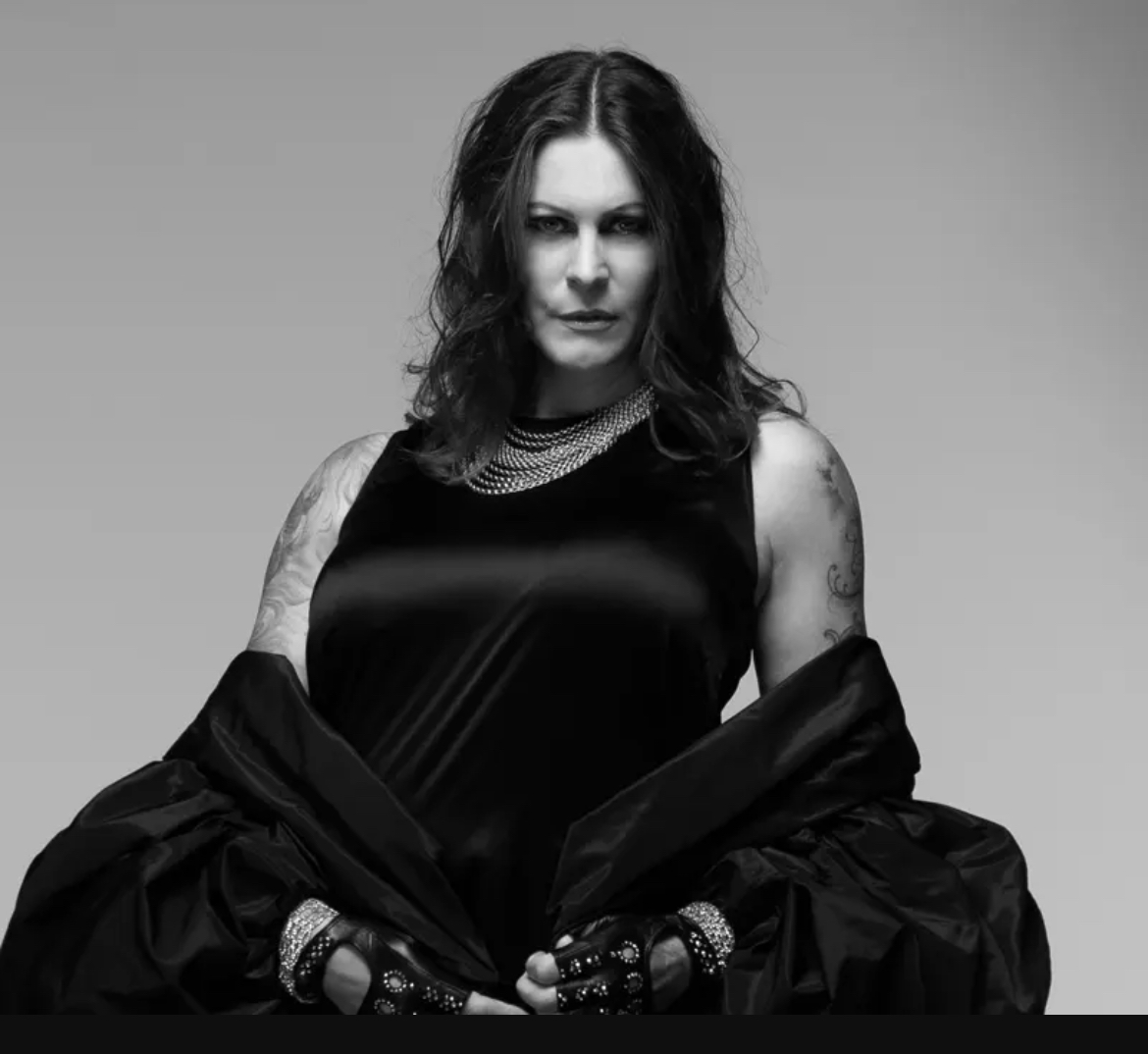
Symphonic Metal vocalist and minor deity Floor Jansen of Nightwish.
Tull's Ian Anderson & Glenn Cornick
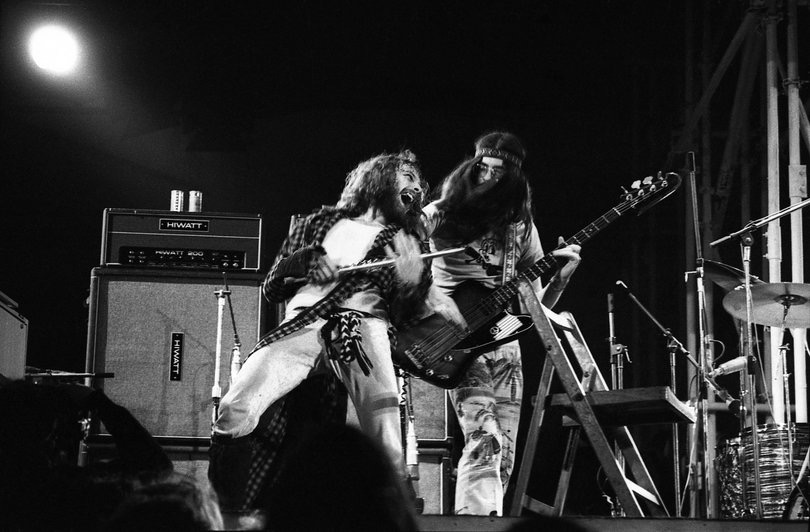
Glenn
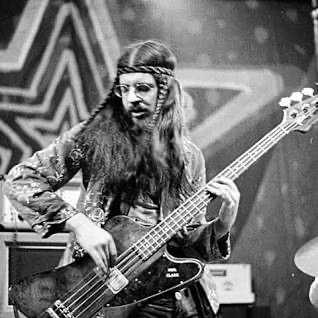
Glenn

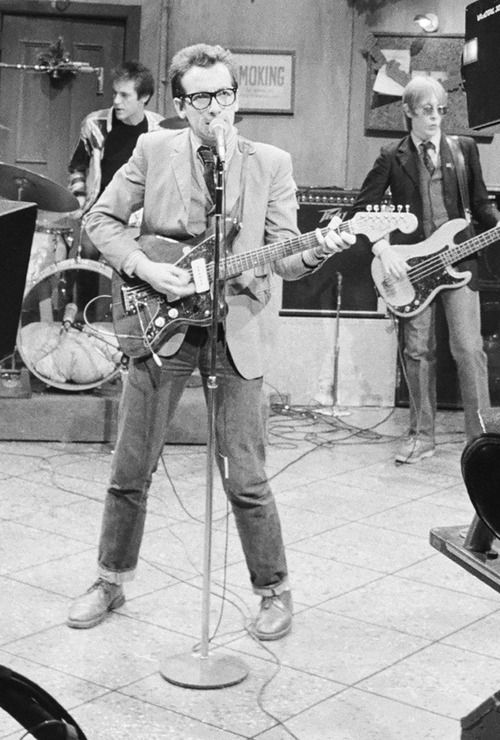
Pete Thomas, Elvis Costello and Bruce Thomas in their SNL appearance in '77.
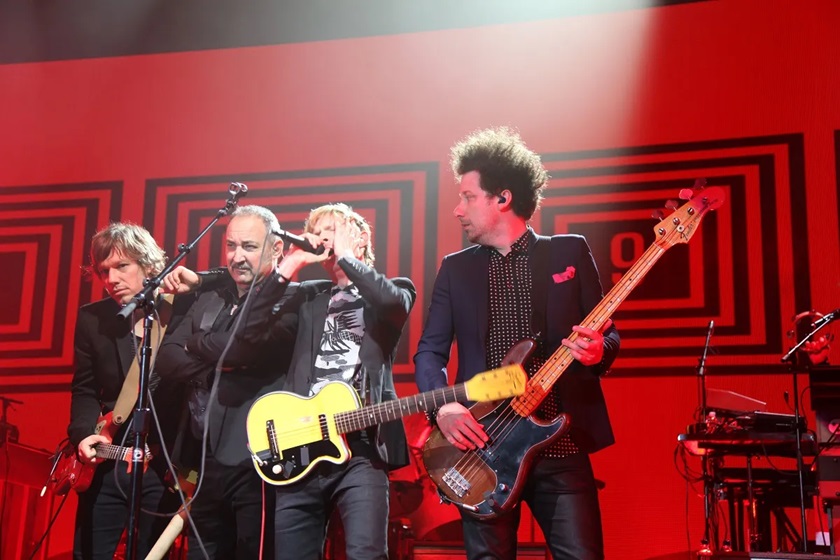
Not sure about the two on the left, but on the right is Beck and TB's Justin Meldahl-Johnsen.

Gary Numan
[Invalid or Expired Link Removed]
[Invalid or Expired Link Removed]


