

Enjoy the benefits of a premium membership!
Upgrade Account
-
TalkBass has been independent since 1998. Add your voice.
Create a free account to reply to discussions, view embedded media, and browse with fewer display ads.
Join free Log in
Want zero display ads or expanded classifieds tools? Compare plans.
You are using an out of date browser. It may not display this or other websites correctly.
You should upgrade or use an alternative browser.
You should upgrade or use an alternative browser.
Cool rock n roll photos
- Thread starter Chad-Chicago
- Start date
More options
Who Replied?

BB King on his first time playing at the Fillmore West, 1967 : I don't think we're supposed to go here.' I said, "The band and I are going to sit here. You go in and find out what the mistake is. So my road manager went out and he found the promoter who was Bill Graham, one of the greatest people I think I've met and he came out and said, 'No, B, it's the right place. I looked. I wanted to say, 'Are you sure? And he said, 'I'm the promoter. Come on in.' I'm scared to get off the bus. I said, 'Okay.' So I followed him in."
"When it was time for me to go on stage, Bill Graham came back and got me, and we got to wade back through these people again, but when we got to the stage-see, they don't know me by looking at me. They don't know what I look like. They only know me by the music. He said, 'Ladies and gentlemen...-and everybody got very quiet-. I bring you the Chairman of the Board, B. B. King. The best intro and the shortest I ever had in my life. They applauded and I cried, because I'm starting to think how these people can be so good to me and what the heck am I going to do for them?"
Steve Miller : "When B.B. showed up, it was sold out, and there was a lot of knowledge about him. And I'm just talking about in the circle that I was traveling in, of course, but it was a big deal when he came to play. We were all just thrilled to the core. It was a very emotional night. He had tears in his eyes, because the audience, as soon as B.B. came out on the stage they just stood up and gave him a standing ovation."
Carlos Santana : "BB King got a standing ovation before he hit the first note and he started crying. I mean, he just started crying, he just lost it, you know, and I remember, because all you could see he went to wipe his tears and all you could see was the diamonds shining from this ring on his hand and the tears. I'm serious, it was that-you know, it gets to you. But when he hit the note to bring the band in, my whole life was changed again. When I saw B.B. and I heard that note for the first time like that. I could see what Michael Bloomfield and Eric Clapton and everybody else saw in him. There's a room that you go to if you're pitching a ball or if you're playing basketball like Michael Jordan, there's a certain zone that you get in, to get a note like that. You know, whether you're Valenzuela, Sandy Koufax, or John McEnroe, there's a zone that you get into. When B. B. King hit that note, I said, "There's that zone, you know. That zone....... when you play like that you heal yourself and you heal other people."
BB King : "It was a breakthrough for me. They didn't seem to look at me as BB King, the blues singer. It was BB King, the musician. They made me feel like I was somebody. I had never felt like that. Never. Oh, I had been treated nicely. Don't think I hadn't. But this time, the way they treated me made me think that I was like some of them."
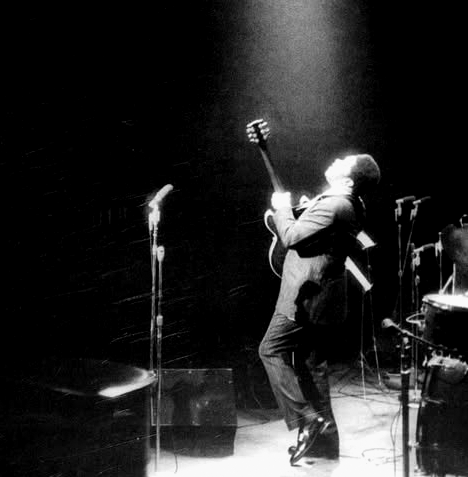
"When it was time for me to go on stage, Bill Graham came back and got me, and we got to wade back through these people again, but when we got to the stage-see, they don't know me by looking at me. They don't know what I look like. They only know me by the music. He said, 'Ladies and gentlemen...-and everybody got very quiet-. I bring you the Chairman of the Board, B. B. King. The best intro and the shortest I ever had in my life. They applauded and I cried, because I'm starting to think how these people can be so good to me and what the heck am I going to do for them?"
Steve Miller : "When B.B. showed up, it was sold out, and there was a lot of knowledge about him. And I'm just talking about in the circle that I was traveling in, of course, but it was a big deal when he came to play. We were all just thrilled to the core. It was a very emotional night. He had tears in his eyes, because the audience, as soon as B.B. came out on the stage they just stood up and gave him a standing ovation."
Carlos Santana : "BB King got a standing ovation before he hit the first note and he started crying. I mean, he just started crying, he just lost it, you know, and I remember, because all you could see he went to wipe his tears and all you could see was the diamonds shining from this ring on his hand and the tears. I'm serious, it was that-you know, it gets to you. But when he hit the note to bring the band in, my whole life was changed again. When I saw B.B. and I heard that note for the first time like that. I could see what Michael Bloomfield and Eric Clapton and everybody else saw in him. There's a room that you go to if you're pitching a ball or if you're playing basketball like Michael Jordan, there's a certain zone that you get in, to get a note like that. You know, whether you're Valenzuela, Sandy Koufax, or John McEnroe, there's a zone that you get into. When B. B. King hit that note, I said, "There's that zone, you know. That zone....... when you play like that you heal yourself and you heal other people."
BB King : "It was a breakthrough for me. They didn't seem to look at me as BB King, the blues singer. It was BB King, the musician. They made me feel like I was somebody. I had never felt like that. Never. Oh, I had been treated nicely. Don't think I hadn't. But this time, the way they treated me made me think that I was like some of them."

Bonzo Dog Doo Dah Band at Detroit's Grande Ballroom in 1969 Roger Ruskin Spear, Neil Innes, and Vivian Stanshall
photo-Robert Kruse
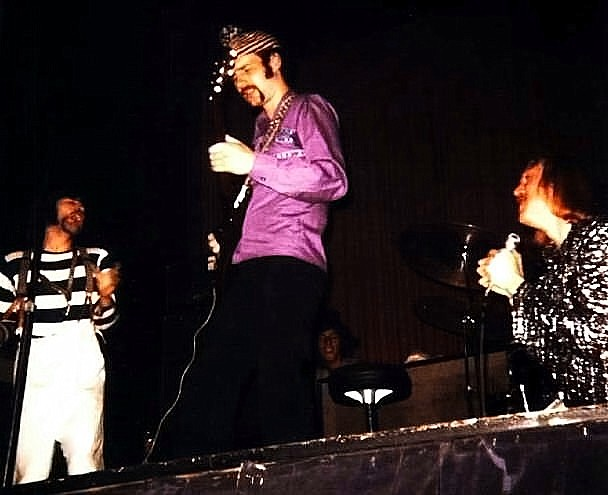
photo-Robert Kruse

1967-Shortly after Jimmie left home, the Vaughans suddenly moved again, relocating to Graham, Texas, a town of fewer than 10k residents about 120mi from Oak Cliff. Stevie was beaten up at his new school and suspended regularly, after 6mos he told his parents he would no longer attend school in Graham, they soon moved back to Oak Cliff. resettling in, Stevie had his first and last job that did not involve 6 strings, working as a dishwasher at a restaurant. It did not go well. "One of my jobs was to take out the trash, and I slipped on something and fell about ten feet on top of a huge barrel where we put all the hot grease, luckily, the lid was on or I could've been scalded real bad. the owner came out and saw that I had cracked the lid with my fall, so she started yelling at me. I could've been killed, and all she cared about was her damn lid." Stevie quit right then and stomped home "as angry as I've ever been ... put on an Albert King record as loud as it would go and ... decided that I was going to be like Albert King."
by late 1967, Stevie had a new band, the Brooklyn Underground (preceded by the very short-lived Epileptic Marshmallow), which would last through much of 1968, playing dances at venues, including Candy's Flare, a converted National Guard armory.
Jimmie's group, The Chessmen opened for the Jimi Hendrix Experience in February 1968 at the State Fair Music Hall in Dallas. "It's embarrassing to even think about, but we opened up with 'Sunshine of Your Love' or some other Cream song, because we couldn't play any Hendrix!" says Jimmie. "I was wearing a jacket with feathers on it because I was trying to be like Hendrix as much as I could." after the show, Jimi's roadie asked Jimmie if he would swap his Vox wah pedal for Hendrix's broken pedal plus some cash, a trade the young guitarist happily agreed to. he and his bandmates were swept into the dressing room for a quick meeting. "They all thought it was funny. 'These guys sound like the Cream. I was pretty good at copying people." The Chessmen also opened for Janis Joplin, who took a shine to the young guitarist and invited him to look her up if he ever made it to San Francisco. "I guess she thought I was cute," says Jimmie.
John Staehaley, Austin guitarist in Krackerjack and Spirit: I met Jimmie when we were both fifteen. It was incredible watching him nail "Jeff's Boogie" and "Crossroads." He was playing a Les Paul through a Marshall, so he had not only the touch but the tone! I lived in Austin, and the Chessmen, along with other great Dallas bands, including Don Henley's, would come down to play University of Texas frat parties and a couple of clubs.
Doyle Bramhall: I was real spoiled because the first eight or nine years that I played music, I played with either Jimmie or Stevie. At fifteen, Jimmie was already just real. He wanted it to be just right.
Marc Benno, Dallas guitarist who recorded with the Doors, Leon Russell, and others: The first time I heard Jimmie, I thought he was the best guitar player I had ever heard. He could play fast. Really fast. He had a style that's in between his own current style and Stevie Ray's. Early on, Jimmie played a lot more like Stevie than anyone realizes. He could play fast as lightning, but he wasn't impressed with that.
Cutter Brandenburg, Stevie’s friend, crew member, 1980-1983: Jimmie was the one who created this wild kid. He may not have realized how much his love of music was flowing through his little brother, but Stevie would never love another guitarist more than Jimmie.
Stevie: If you want to know what made me go crazy with it, it was watching Jimmie, and, not trying to outdo him, but, poopie, what do you do but pick up the ball and run? It's not trying to pass him, and it's not trying to keep up with him. It's more like, "Wow! Look what big brother stumbled onto! A lot of people seem to think that we're trying to beat each other at something, but it's not that at all. I saw him get real exciting-not just excited, but exciting —with something, and that excited me. I didn't know what else to do”.
Connie Vaughan: Stevie was a loner who was bullied because he wasn't a jock in a very jock-dominated school. I was a year ahead of him and started looking out for him in middle school. When we were at Kimball, he would come over and rehearse all the time in the playroom my parents had built above our garage. All he wanted to do was play music.
Roddy Colonna, Oak Cliff native, drummer in Blackbird: I was two years ahead of Steve at Kimball High, which was pretty redneck, and I'd see him in the hallways: a weird-looking little guy wearing hip-hugger bell-bottom jeans, a paisley shirt, teardrop sunglasses that were too big for his head, and a little sash around his waist. I was eighteen and Stevie was fourteen or fifteen. I think he wanted to meet me because I was in a band, and he came up and said, in a low, deep voice with a halting delivery: "Uh... hey, Roddy... I'm Steve Vaughan, my brother is Jimmie Vaughan." We started eating lunch together, then jammed, and I was impressed with his chops. Eric Clapton was his idol, and he was playing solos on songs like "Crossroads" note for note. One time, he brought a sunburst Strat that I knew was Jimmie's, it had the stick-on JLV letters on it-to the school practice room, and I knew Jimmie would have hit the ceiling if he knew Stevie had that guitar in school! playing in a band provided Stevie the opportunity to escape his home environment as much as possible. ''Stevie had a difficult home life; his dad was pretty rough on him. From when I first met him, he always talked about how mean his dad was.''
Cutter: Mr. Vaughan was rough on Jimmie about all the music, and now his other son was following along, which made Mr. Vaughan very tense, he sometimes held that against Jimmie, and Stevie got it from both his brother and his dad.
Jim Trimmier, saxophonist, member of Liberation and the Cobras: I was scared of Big Jim, he came out and looked me over, wondering, "Is this guy gonna shag my son up, or is he gonna be okay?", my hair was getting long, which was not cool in '69 Dallas.
Roddy: I only sat down with Big Jim once, and he started bringing out mint-condition B.B. King 78s that had belonged to one of Stevie's Uncles, and I was blown away. It wasn't always grim over there. But there were a few times Stevie called me up and said, "Hey, Roddy, my dad hit my mom, can you come pick me up?'', he'd be crying. there were nights when he didn't want to go back home.
Stevie: I learned how to be afraid all the time, because it wasn't very constant at home. I don't know if everybody else in the family perceived it the same way, probably not, but I learned real quickly not to know what to expect, so therefore I'd just stay out of the way, keep my feelings out of the way. If I did have feelings, it must have been my fault, 'cause that's what I heard when the fights were going on.''
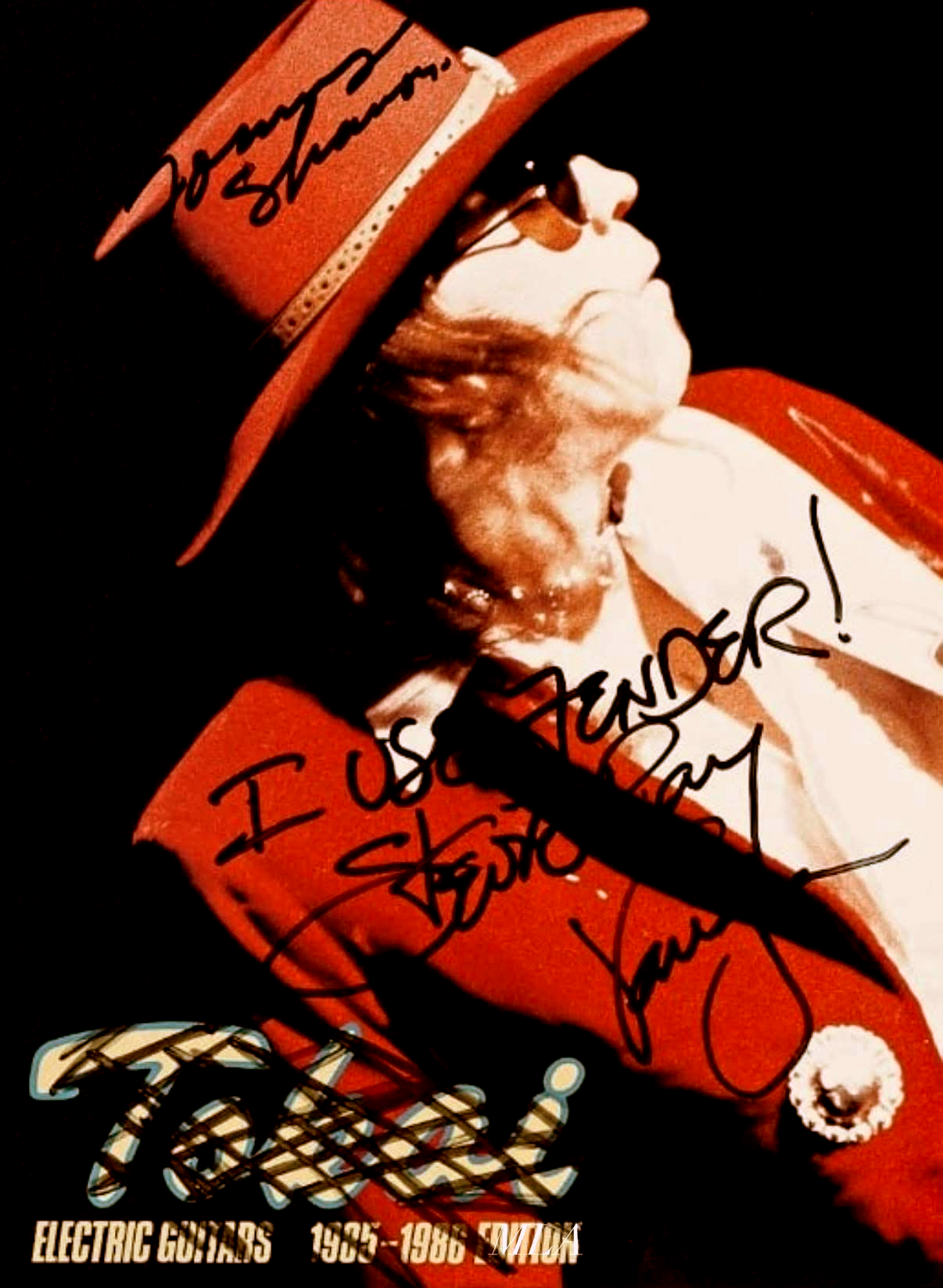
Stevie often played Tokai Strats in the ‘80s re the sunburst, maple neck ‘50s-style Springy Sound model on the cover of Texas Flood.
photo-Byron Barr
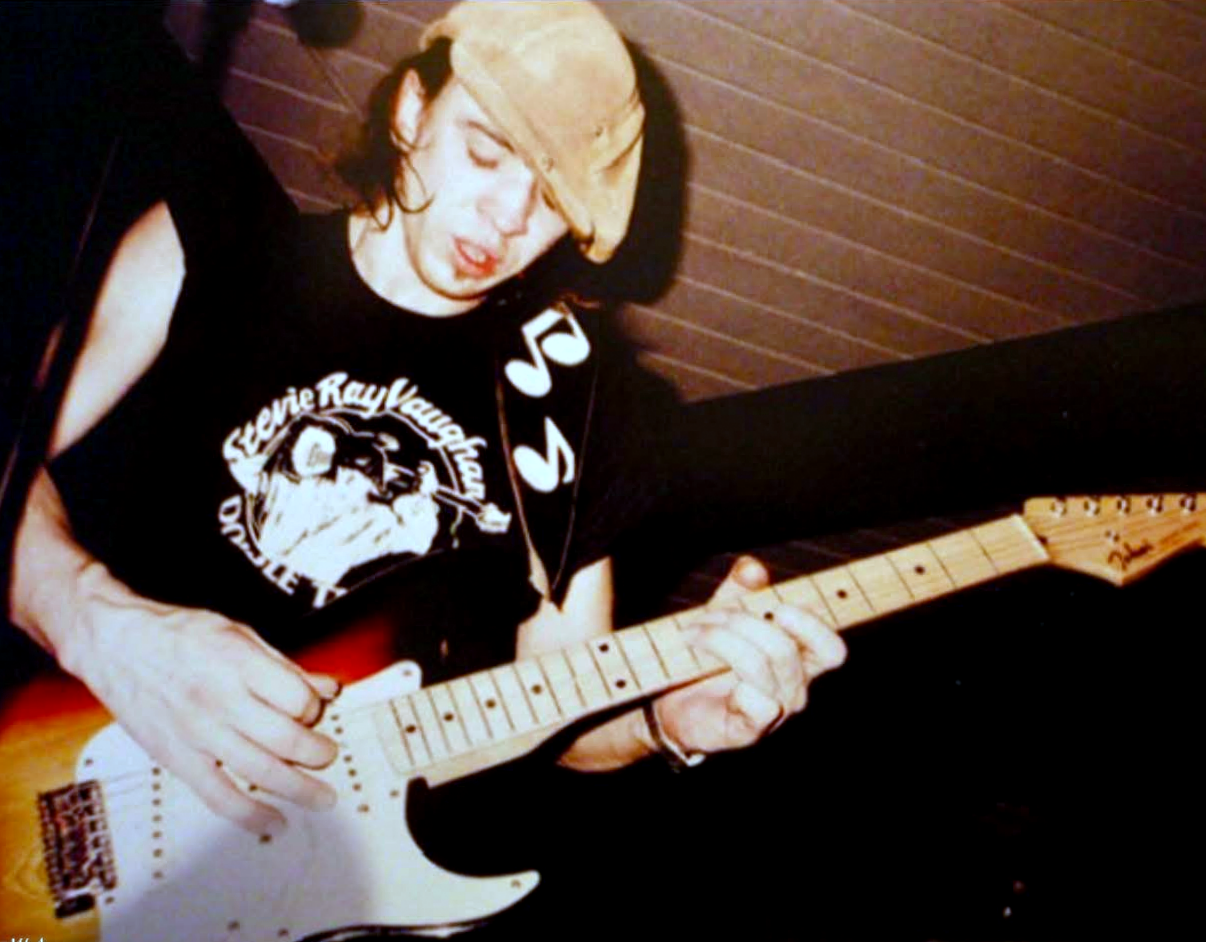
by late 1967, Stevie had a new band, the Brooklyn Underground (preceded by the very short-lived Epileptic Marshmallow), which would last through much of 1968, playing dances at venues, including Candy's Flare, a converted National Guard armory.
Jimmie's group, The Chessmen opened for the Jimi Hendrix Experience in February 1968 at the State Fair Music Hall in Dallas. "It's embarrassing to even think about, but we opened up with 'Sunshine of Your Love' or some other Cream song, because we couldn't play any Hendrix!" says Jimmie. "I was wearing a jacket with feathers on it because I was trying to be like Hendrix as much as I could." after the show, Jimi's roadie asked Jimmie if he would swap his Vox wah pedal for Hendrix's broken pedal plus some cash, a trade the young guitarist happily agreed to. he and his bandmates were swept into the dressing room for a quick meeting. "They all thought it was funny. 'These guys sound like the Cream. I was pretty good at copying people." The Chessmen also opened for Janis Joplin, who took a shine to the young guitarist and invited him to look her up if he ever made it to San Francisco. "I guess she thought I was cute," says Jimmie.
John Staehaley, Austin guitarist in Krackerjack and Spirit: I met Jimmie when we were both fifteen. It was incredible watching him nail "Jeff's Boogie" and "Crossroads." He was playing a Les Paul through a Marshall, so he had not only the touch but the tone! I lived in Austin, and the Chessmen, along with other great Dallas bands, including Don Henley's, would come down to play University of Texas frat parties and a couple of clubs.
Doyle Bramhall: I was real spoiled because the first eight or nine years that I played music, I played with either Jimmie or Stevie. At fifteen, Jimmie was already just real. He wanted it to be just right.
Marc Benno, Dallas guitarist who recorded with the Doors, Leon Russell, and others: The first time I heard Jimmie, I thought he was the best guitar player I had ever heard. He could play fast. Really fast. He had a style that's in between his own current style and Stevie Ray's. Early on, Jimmie played a lot more like Stevie than anyone realizes. He could play fast as lightning, but he wasn't impressed with that.
Cutter Brandenburg, Stevie’s friend, crew member, 1980-1983: Jimmie was the one who created this wild kid. He may not have realized how much his love of music was flowing through his little brother, but Stevie would never love another guitarist more than Jimmie.
Stevie: If you want to know what made me go crazy with it, it was watching Jimmie, and, not trying to outdo him, but, poopie, what do you do but pick up the ball and run? It's not trying to pass him, and it's not trying to keep up with him. It's more like, "Wow! Look what big brother stumbled onto! A lot of people seem to think that we're trying to beat each other at something, but it's not that at all. I saw him get real exciting-not just excited, but exciting —with something, and that excited me. I didn't know what else to do”.
Connie Vaughan: Stevie was a loner who was bullied because he wasn't a jock in a very jock-dominated school. I was a year ahead of him and started looking out for him in middle school. When we were at Kimball, he would come over and rehearse all the time in the playroom my parents had built above our garage. All he wanted to do was play music.
Roddy Colonna, Oak Cliff native, drummer in Blackbird: I was two years ahead of Steve at Kimball High, which was pretty redneck, and I'd see him in the hallways: a weird-looking little guy wearing hip-hugger bell-bottom jeans, a paisley shirt, teardrop sunglasses that were too big for his head, and a little sash around his waist. I was eighteen and Stevie was fourteen or fifteen. I think he wanted to meet me because I was in a band, and he came up and said, in a low, deep voice with a halting delivery: "Uh... hey, Roddy... I'm Steve Vaughan, my brother is Jimmie Vaughan." We started eating lunch together, then jammed, and I was impressed with his chops. Eric Clapton was his idol, and he was playing solos on songs like "Crossroads" note for note. One time, he brought a sunburst Strat that I knew was Jimmie's, it had the stick-on JLV letters on it-to the school practice room, and I knew Jimmie would have hit the ceiling if he knew Stevie had that guitar in school! playing in a band provided Stevie the opportunity to escape his home environment as much as possible. ''Stevie had a difficult home life; his dad was pretty rough on him. From when I first met him, he always talked about how mean his dad was.''
Cutter: Mr. Vaughan was rough on Jimmie about all the music, and now his other son was following along, which made Mr. Vaughan very tense, he sometimes held that against Jimmie, and Stevie got it from both his brother and his dad.
Jim Trimmier, saxophonist, member of Liberation and the Cobras: I was scared of Big Jim, he came out and looked me over, wondering, "Is this guy gonna shag my son up, or is he gonna be okay?", my hair was getting long, which was not cool in '69 Dallas.
Roddy: I only sat down with Big Jim once, and he started bringing out mint-condition B.B. King 78s that had belonged to one of Stevie's Uncles, and I was blown away. It wasn't always grim over there. But there were a few times Stevie called me up and said, "Hey, Roddy, my dad hit my mom, can you come pick me up?'', he'd be crying. there were nights when he didn't want to go back home.
Stevie: I learned how to be afraid all the time, because it wasn't very constant at home. I don't know if everybody else in the family perceived it the same way, probably not, but I learned real quickly not to know what to expect, so therefore I'd just stay out of the way, keep my feelings out of the way. If I did have feelings, it must have been my fault, 'cause that's what I heard when the fights were going on.''
Stevie often played Tokai Strats in the ‘80s re the sunburst, maple neck ‘50s-style Springy Sound model on the cover of Texas Flood.
photo-Byron Barr


when presented with Tokai poster by a fan, Stevie wrote “I PLAY FENDER” over the Tokai logo. in late 1984 an endorsement deal with Tokai was being explored at the time, and five guitars, plus a of couple basses were negotiated as an offering toward Stevie signing with the brand.
Of course that girl is going wow over the bass player.... 
Paul Samwell-Smith

Paul Samwell-Smith
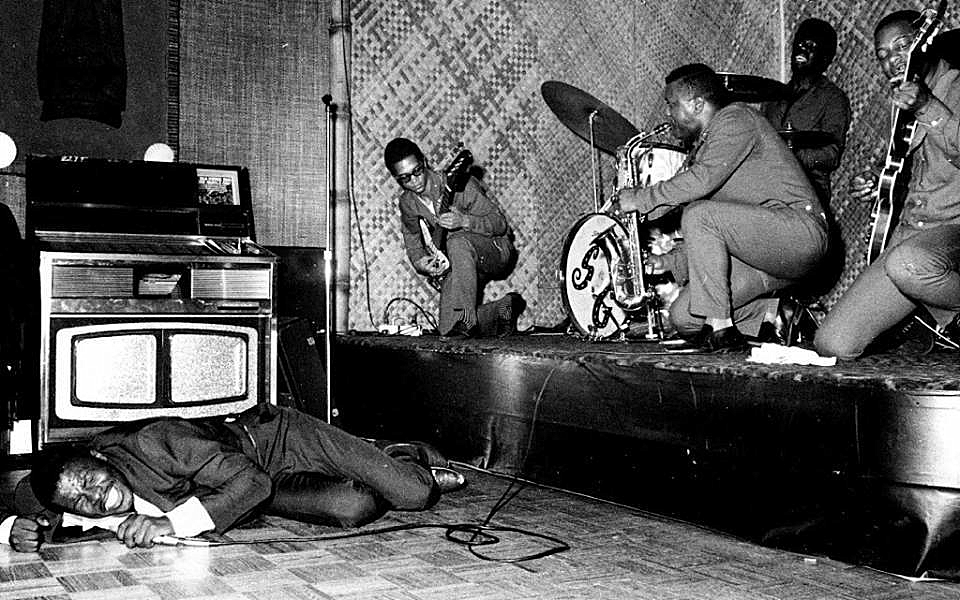
Gene Williams & The Backsliders at King Solomon's Mine, Minneapolis 1967

Johnny Marr, with his daughter Sonny and Chrissy Hynde at an Oasis show.
Latest posts
-

-
 Curious what the percentage of bass players use rounds vs flats is.
- Latest: Rip Van Dan
-


