
Is this made by the same people who made the string plucking machine or is it competition?
You mean Makita?

TalkBass has been independent since 1998. Add your voice.
Create a free account to reply to discussions, view embedded media, and browse with fewer display ads.
Join free Log in
Want zero display ads or expanded classifieds tools? Compare plans.
Is this made by the same people who made the string plucking machine or is it competition?
Although to give the OP the benefit if the doubt, I do remember reading in Bass Player mag many years ago that somebody up here in the Bay Area invented a little room that had 100s' of thousands of watts coming from special transducers hitting new bass and guitar bodies and speeding up the ageing process of the wood. After the "treatment" he swore it made the instrument sound like it was very old and well played. JimPlacebo effect? Jim


Yes I don't really understand the concept of a "stiff" bass. Does the wood soften and become pliable?I have my doubts about how much difference the vibration thing (from either playing or cutecubing) makes on a solid body instrument. But I'm interested to hear the results.
Two things though, strike me as magical thinking:
1) An instrument gets broken in by playing, then "unbreaks in " if you don't play it for a while. If that were true, vintage instruments that hadn't been played in a few years wouldn't sound any different from new instruments.
2) A "broken in" instrument allows you to play faster/smoother/whatever. How exactly does this work?
I think 90% of this is adapting to an instrument and learning how to play it. The instrument isn't changing, you are.





Nope, zero chance for any damage. The connection between the CuteCube and the bass is rubber, slightly sticky so it doesn't travel, very clever design.Does that damage a nitro finish at all?

If you don't have the technique, you can't play fast. It's not a holy grail. It just makes the instrument super responsive, so if you play fast you get more phrasing with less physical energy. The bass delivers the same response over the whole fretboard, no regions where it might be weaker so you have to pluck harder to get the same tone/level and get stuck.I guess it might make it sound nicer, but I don't see how this thing will help you to play faster and cleaner. That's up to your technique
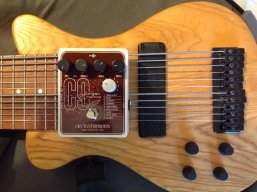
I get your point. Trust me the result is going to be shockingPosting a before and after sample is useless. people who believe in the process (like the OP) will hear a difference, and people who do not will not. People on the fence may or not be swayed, depending on any number of factors. Human hearing is not objective. The brain interperets vibrating air based on a number of factors including how you are feeling. people who buy $100 guitar cables will hear a difference, or at least their brain will assure them that they do.
Only a double blind test with a signifigant sample size (i.e. Lots of people ) will let you know with any certainty if some process "improves" the sound of something. people who swear they hear a difference and can tell if something is better or not typically have a stake in the outcome (emotional, saving face, $, etc) and/or know very little about brain science.
Please realize before posting any angry replies that nowhere have I stated this device does not work. I am merely pointing out that a couple of before and after files will not provide the answer.


Better get twoThe only piece of gear your girlfriend will be interested in...


I get your point. Trust me the result is going to be shocking
What if it sounds like an oboe or a vuvuzela??? I would find that quite shocking.Not to anyone who knows about actual testing. It doesn't matter if the sound clips sound vastly different or similar- the testing method itself is so massively flawed it can't provide any evidence in either direction at all. The most you will be able to acquire from this is anecdotal evidence, which you could surmise without even playing the bass before or after.