• TalkBass has been independent since 1998. Add your voice.
    Create a free account to reply to discussions, view embedded media, and browse with fewer display ads.
    Join freeLog in
    Want zero display ads or expanded classifieds tools? Compare plans.

Dead Spot on E string ..... Try this "CHEAP" headstock Clip-on Tuner.

May 21, 2008
10,441
12,808
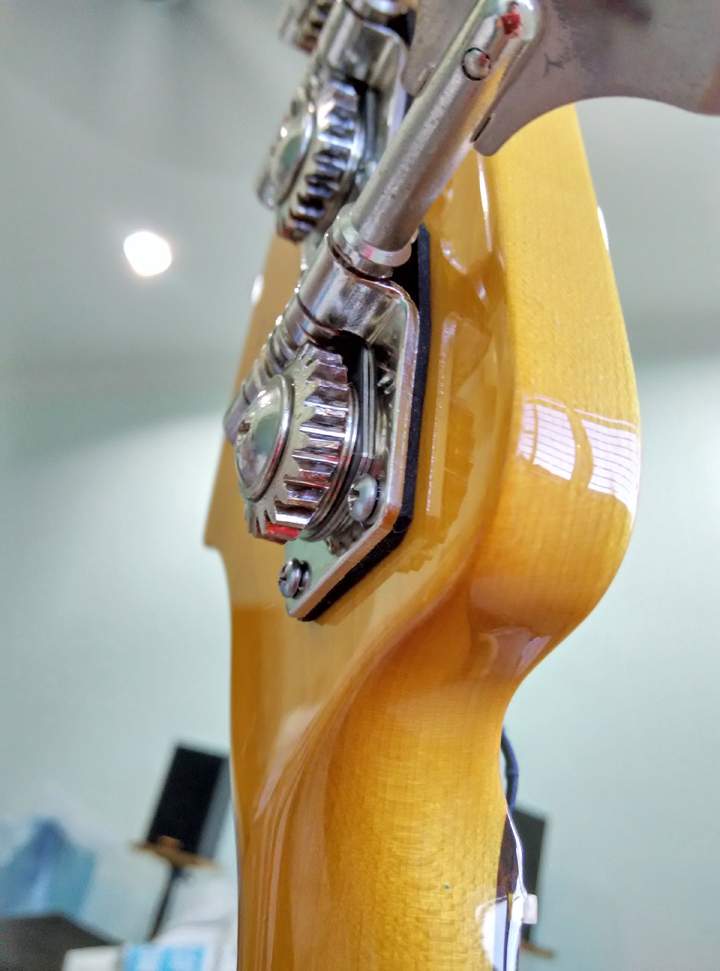
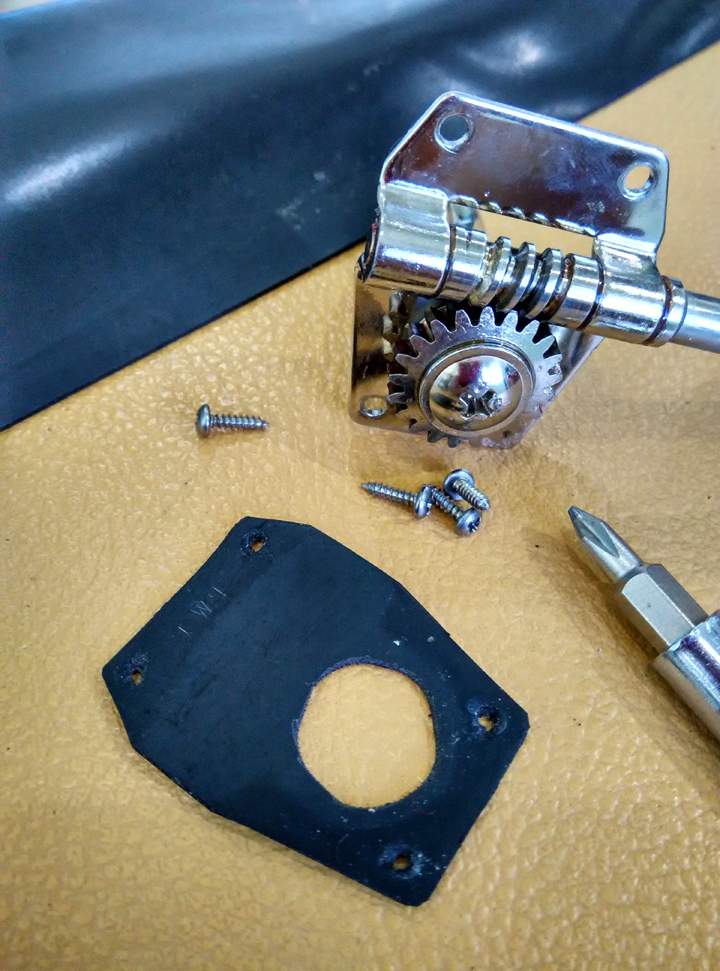
I been share a solution to eliminate Dead Spot on E string at here before with neoprene foam use .
IMG_20200221_080231_HDR.jpg

IMG_20200221_080653_HDR.jpg


Now i have another "Worth to try" solution to solve the problem before you decide to let go your Fender/Squier bass guitar.

I bought a new Indonesia made Squier CV50P on this October, i meet a same problem myself.
The fret A note decay ealier than others fret on E string once I swap the stock string to Labella LTF4A . Note decay after 2 second compare to fret F,F#,G,G#,A# and B which able ring close to 4.5 second before tone get fade. So i try the Korg HT-B1, it able increase the A note sustain but less than 3 second !

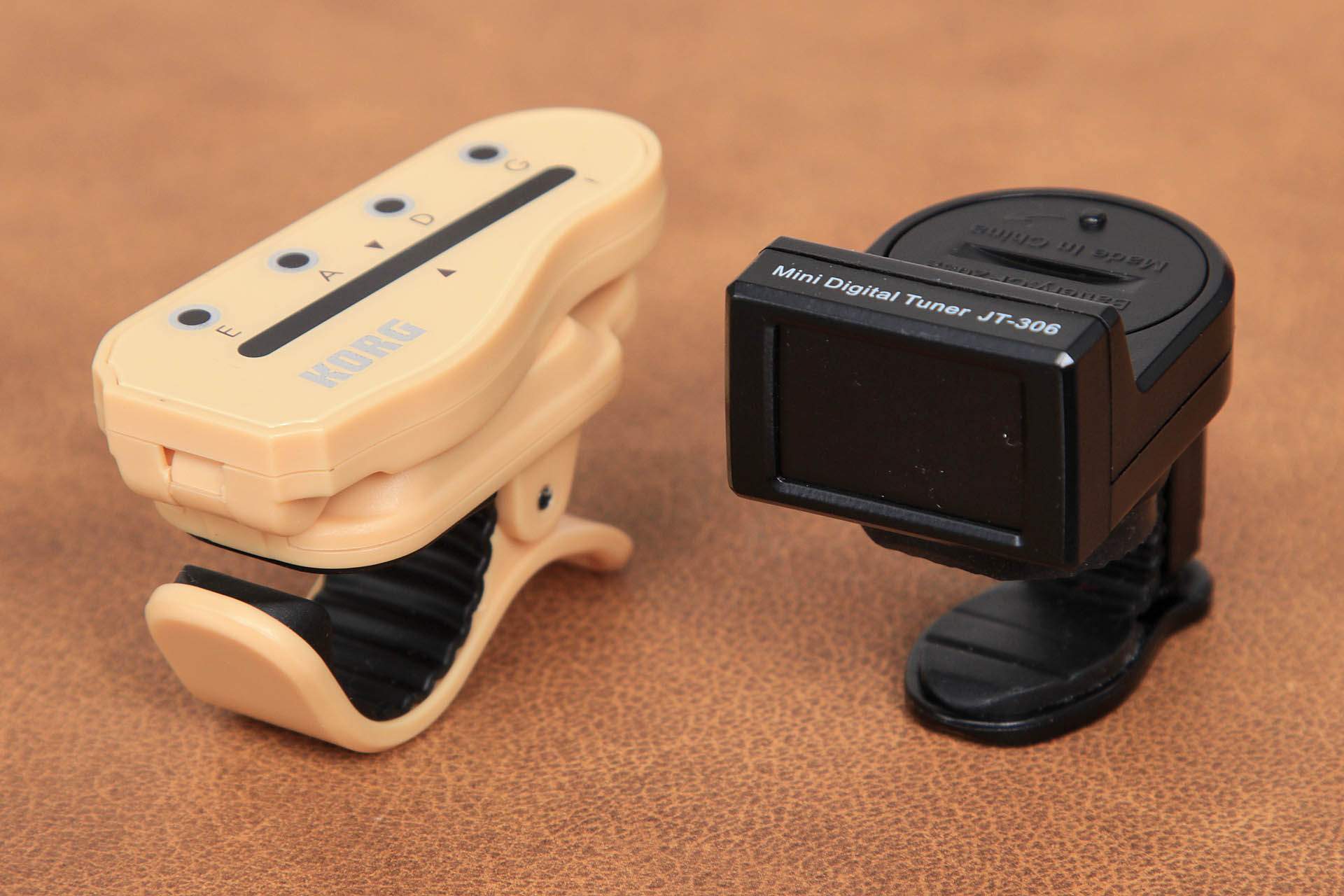
I start searching if any similar clip-on tuner as Korg on internet and i found the Joyo JT 306 (via Aliexpress).
Clip the JOYO JT 306 on top of the headstock and the dead A note on E string get LIVE ! Give the A note a 4 second sustain before get fade.
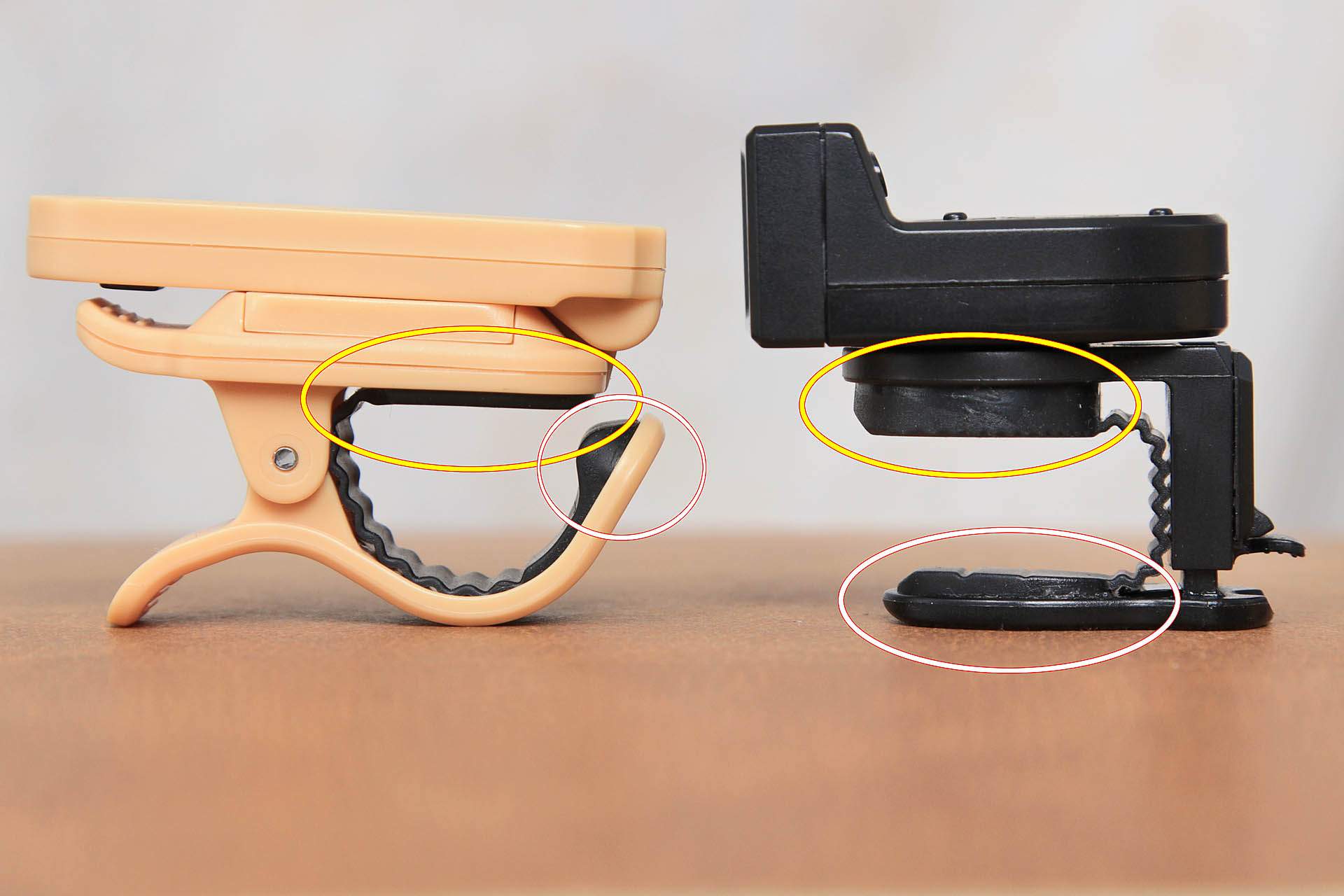
Thanks to Thick rubber pad on the JT 306, well absorb and damping the enegy-lost vibration on headstock.
IMG_6594.JPG
IMG_6595.JPG
 
Last edited:
The rubber gasket is unnecessary and won't change the deadspot. But it might hinder the string from staying in tune, so I wouldn't do this at all.

Deadspots on a Fender style bass made out of wood are perfectly normal and should be expected.

They are caused by resonant sympathetic vibrations in the instrument at those frequencies that highly absorb the vibration of the strings.

The most common one is the high C or thereabouts on the G string. But you can find more of them elsewhere especially if the bass is very well made and tightly put together, ironically. This increases the "Q factor" of the resonances which can make the dead spots more noticeable on high quality Fenders and FSOs generally - my L2000 being a good example, it has 3 or 4 hard deadspots below the high C on the other strings. No need to worry about them because the other guy/gal with a Fender style bass has the same deadspots on his/her bass too.

You can move the deadspots, though, by adding weight to the headstock. This will lower the resonant frequencies that the sympathetic vibrations occur at, which will put the deadspot elsewhere where it may not be as bothersome. That's why holding your headstock against the wall alleviates the deadspots too.

The moral of the story: don't worry about the deadspots. They're normal and no indication of poor quality or construction, so put them out of your mind and enjoy your bass.

L
 
Last edited:
The rubber gasket is unnecessary and won't change the deadspot. But it might hinder the string from staying in tune, so I wouldn't do this at all.

Deadspots on a Fender style bass made out of wood are perfectly normal and should be expected.

They are caused by resonant sympathetic vibrations in the instrument at those frequencies that highly absorb the vibration of the strings.

The most common one is the high C or thereabouts on the G string. But you can find more of them elsewhere especially if the bass is very well made and tightly put together, ironically. This increases the "Q factor" of the resonances which can make the dead spots more noticeable on high quality Fenders and FSOs generally - my L2000 being a good example, it has 3 or 4 hard deadspots below the high C on the other strings. No need to worry about them because the other guy/gal with a Fender style bass has the same deadspots on his/her bass too.

You can move the deadspots, though, by adding weight to the headstock. This will lower the resonant frequencies that the sympathetic vibrations occur at, which will put the deadspot elsewhere where it may not be as bothersome. That's why holding your headstock against the wall alleviates the deadspots too.

The moral of the story: don't worry about the deadspots. They're normal and no indication of poor quality or construction, so put them out of your mind and enjoy your bass.

L

The dead spot on G string are very common thing on Fender/squier bass, but my previous china made Classic Vibe 60P bass are totally NO DEAD SPOT at all !!!

My above solution are work on E string Dead A , the Soft and thick Rubber pad on JOYO tuner able absorb the looseness energy.

If you wanna make Fender/Squier totally "dead spot FREE", my 2007 solution work like charm!

BOY_0086.JPG


You can live with dead spot on your bass guitar are great, but not me.
 
  • Like
Reactions: DavesnothereCA

Latest posts