
Enjoy the benefits of a premium membership!
Upgrade Account
-
TalkBass has been independent since 1998. Add your voice.
Create a free account to reply to discussions, view embedded media, and browse with fewer display ads.
Join free Log in
Want zero display ads or expanded classifieds tools? Compare plans.
You are using an out of date browser. It may not display this or other websites correctly.
You should upgrade or use an alternative browser.
You should upgrade or use an alternative browser.
Did the stainless flat string eat the frets?
- Thread starter PBNB
- Start date
-
- Tags
- flat stainless frets
More options
Who Replied?


I'm really a newbie at bass. Through learning in the forums. I'm really a newbie at bass. Through learning in the forums. I know stainless string will wear the frets, flat string will not wear the frets, So my question is did stainless flat string eat the frets??
Here's my advice to you as a newbie... Don't fret about frets being eaten by stainless steel either rounds or flats. Choose your strings according to how you want them to sound and feel and play on.
This whole idea about stainless steel "eating frets" is greatly exaggerated.
Last edited:
Thanks !DudeHere's my advice to you as a newbie... Don't fret about frets being eaten by stainless steel either rounds or flats. Choose your strings according to how you want them to sound and feel and play on.

Most flats are stainless steel. It's the saw, or file-like surface of steel rounds - not just their winding material - that gradually wears down frets made of softer metal.I'm really a newbie at bass. Through learning in the forums. I'm really a newbie at bass. Through learning in the forums. I know stainless string will wear the frets, flat string will not wear the frets, So my question is did stainless flat string eat the frets??
Thank U !
Most flats are stainless steel. It's the saw, or file-like surface of steel rounds - not just their winding material - that gradually wears down frets made of softer metal.

I'm really a newbie at bass. Through learning in the forums. I'm really a newbie at bass. Through learning in the forums. I know stainless string will wear the frets, flat string will not wear the frets, So my question is did stainless flat string eat the frets??
Use will wear out frets. Doesn’t make much difference what strings are on it as long as you don’t grip your fretting hand like a gorilla, and avoid bending your strings. I’ve had basses for decades of use with round wounds strings on them that show no signs of wear.
Just find the strings that sound the best to you and have at it. Welcome to the board. Best wishes.

I have been using SS roundwounds (Hi-Beams) for 20 years on my basses, and their frets are fine.

A heavy attack, coupled with stainless steel roundwound strings, can accelerate fret wear. I destroyed the frets on a '71 P-bass in 12 months using Rotosound rounds and hitting the strings with everything I had. I was young and clueless. But the clank was awesome for those 12 months!

I also destroyed the frets on my first Rickenbacker 4001 back in the late 70's, with Rotosound RS66 SS rounds. Rickenbacker was known to use very soft fret wire back then. DR rounds are as advertised, easy on the frets. So using those shouldn't be a problem. Flats should not wear the frets down for many many years, if at all. That's all I use these days. As always, YMMV.

I remember using the Billy Sheehan signature Rotosounds back in 1990. They were some of the roughest feeling strings (abrasive) that I had ever felt. I loved the sound though. Unfortunately, they went dead quicker than any strings I have played before and since. So, it seems that others have had similar experiences with Rotos and how abrasive they are.
D
Some strings will cause more fret wear than others and some instruments use softer fret wire than others. The frets will wear down eventually, no matter what type of strings you use. If you play regularly your frets will probably need levelling+crowning every 4-5 years. In some cases sooner. If playing bass is only a hobby and you practise once or twice a week the frets might last 10 years or more before they need any work.
Levelling the frets is a routine 1-2 hour job for a luthier or a skilled guitar tech (depending on the amount of wear). Eventually the frets will be too low for further levelling and they will have to be replaced. This will be at least 15-20 years (or more) down the road, depending on how much you play and also on the size of the original frets. Some frets are taller than others but some players also prefer taller frets and will replace them before it's strictly necessary. Installing new frets is also a routine job for a luthier but will be more like a 4-5 hour job (depending on the condition of the fretboard).
Use whatever strings you prefer. Testing different strings is BY FAR the most effective way of completely changing the tone/feel of your instruments. Finding the strings that work for YOUR bass and YOUR style of playing is what matters. When the frets are worn you simply bring your bass to a workshop and get them fixed.
One last tip if you're a newbie:
If you've got a brand new bass that has never been set up by a professional, bring it to a luthier or a good guitar tech. Most basses are NOT set up properly from the factory. Especially entry-level or mid-priced instruments (but even instruments in higher price ranges will benefit from a professional setup). A good setup will make the bass a LOT easier to play. Lots of beginners struggle with poorly set up instruments for YEARS and their playing suffer from it. The best investment you can do right now is to pay for a pro setup (unless the bass is already set up by a professional of course). It's not just a matter of adjusting the saddle heights and relief (truss rod). A pro setup should also file the nut slots and (if needed) level the frets. Factory fresh basses often have HORRIBLE fretwork, especially low to mid prices basses but even some expensive ones.
Levelling the frets is a routine 1-2 hour job for a luthier or a skilled guitar tech (depending on the amount of wear). Eventually the frets will be too low for further levelling and they will have to be replaced. This will be at least 15-20 years (or more) down the road, depending on how much you play and also on the size of the original frets. Some frets are taller than others but some players also prefer taller frets and will replace them before it's strictly necessary. Installing new frets is also a routine job for a luthier but will be more like a 4-5 hour job (depending on the condition of the fretboard).
Use whatever strings you prefer. Testing different strings is BY FAR the most effective way of completely changing the tone/feel of your instruments. Finding the strings that work for YOUR bass and YOUR style of playing is what matters. When the frets are worn you simply bring your bass to a workshop and get them fixed.
One last tip if you're a newbie:
If you've got a brand new bass that has never been set up by a professional, bring it to a luthier or a good guitar tech. Most basses are NOT set up properly from the factory. Especially entry-level or mid-priced instruments (but even instruments in higher price ranges will benefit from a professional setup). A good setup will make the bass a LOT easier to play. Lots of beginners struggle with poorly set up instruments for YEARS and their playing suffer from it. The best investment you can do right now is to pay for a pro setup (unless the bass is already set up by a professional of course). It's not just a matter of adjusting the saddle heights and relief (truss rod). A pro setup should also file the nut slots and (if needed) level the frets. Factory fresh basses often have HORRIBLE fretwork, especially low to mid prices basses but even some expensive ones.
Last edited:

Flats of any material cause very little fret wear – practically nothing, IME. Rounds of any material, much more so.
But it's not something to be worried about unless it's an all original "vintage" bass, where value comes from originality and condition. Frets are like tires. You use them for what they're made for, then you replace them (or the entire neck) when they're worn out.
But it's not something to be worried about unless it's an all original "vintage" bass, where value comes from originality and condition. Frets are like tires. You use them for what they're made for, then you replace them (or the entire neck) when they're worn out.

Thanks dude! I Have already purchased a Atelier z vintage 504P as my first bass.The fret is thin but with fine fretwork.I am really overwhelmed by your kindness!Some strings will cause more fret wear than others and some instruments use softer fret wire than others. The frets will wear down eventually, no matter what type of strings you use. If you play regularly your frets will probably need levelling+crowning every 4-5 years. In some cases sooner. If playing bass is only a hobby and you practise once or twice a week the frets might last 10 years or more before they need any work.
Levelling the frets is a routine 1-2 hour job for a luthier or a skilled guitar tech (depending on the amount of wear). Eventually the frets will be too low for further levelling and they will have to be replaced. This will be at least 15-20 years (or more) down the road, depending on how much you play and also on the size of the original frets. Some frets are taller than others but some players also prefer taller frets and will replace them before it's strictly necessary. Installing new frets is also a routine job for a luthier but will be more like a 4-5 hour job (depending on the condition of the fretboard).
Use whatever strings you prefer. Testing different strings is BY FAR the most effective way of completely changing the tone/feel of your instruments. Finding the strings that work for YOUR bass and YOUR style of playing is what matters. When the frets are worn you simply bring your bass to a workshop and get them fixed.
One last tip if you're a newbie:
If you've got a brand new bass that has never been set up by a professional, bring it to a luthier or a good guitar tech. Most basses are NOT set up properly from the factory. Especially entry-level or mid-priced instruments (but even instruments in higher price ranges will benefit from a professional setup). A good setup will make the bass a LOT easier to play. Lots of beginners struggle with poorly set up instruments for YEARS and their playing suffer from it. The best investment you can do right now is to pay for a pro setup (unless the bass is already set up by a professional of course). It's not just a matter of adjusting the saddle heights and relief (truss rod). A pro setup should also file the nut slots and (if needed) level the frets. Factory fresh basses often have HORRIBLE fretwork, especially low to mid prices basses but even some expensive ones.
Finally.I bought the Ernieball Slinky extra flat 40-95~Looks like a set of d'Addario Pro Steels did eat the frets on my Pbass. I was also fretting with more force than necessary at the time. So no steel rounds anymore for me.
Got it! Thanks bro!Don't do sideways string bends and you won't have a problem.


Play what you want, how you want.
Frets are an expendable part, if you play alot they will have to be replaced eventually. But that would take A LONG time for most of us.
I have instruments that I've owned for up to 30 years that are just starting to show wear but still have plenty of life left in em.
Frets are an expendable part, if you play alot they will have to be replaced eventually. But that would take A LONG time for most of us.
I have instruments that I've owned for up to 30 years that are just starting to show wear but still have plenty of life left in em.
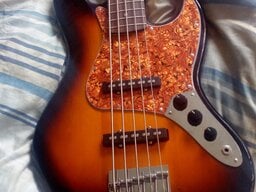
I remember using the Billy Sheehan signature Rotosounds back in 1990. They were some of the roughest feeling strings (abrasive) that I had ever felt. I loved the sound though. Unfortunately, they went dead quicker than any strings I have played before and since. So, it seems that others have had similar experiences with Rotos and how abrasive they are.
And also how quickly they die. I love the sound of Rotos but it's not financially feasible for a thrasher.


