• TalkBass has been independent since 1998. Add your voice.
    Create a free account to reply to discussions, view embedded media, and browse with fewer display ads.
    Join freeLog in
    Want zero display ads or expanded classifieds tools? Compare plans.

Do you find basswood to be tonally inferior to alder or ash?

BusyFingers

Guest
Nov 26, 2016
1,909
2,140
I noticed people in Fender Japan thread who refuse to buy basswood basses.

It is my opinion that wood can differ in tone. I also believe basswood does have a tendency to hollow out the mids if loaded with certain pickups, but that pickups with more prominent mids can mitigate the issue.

In fact, I have decided to take a Squier basswood body and have a custom neck built for it because using the Squier gets me closer to what I envision for my custom bass cheaper, despite the tonal shortcomings of basswood (which I feel the stock Vintage Modified P/J pickups make up for).

Is basswood a problem for you? Do you notice the difference? Is it a deal breaker?
 
  • Like
Reactions: Pbassmanca and wmmj
Here is an interesting article on tonewoods (from an acoustic guitar builder's perspective):

"Harmonic Content A piece of wood is capable of producing a fundamental tone and an array of harmonics (which include overtones). Tapping a piece of wood reveals, not only the velocity of sound,
but also harmonic content, clarity of tone, and high-, low-, and mid-bias."

A Tonewood Primer: How to Pick the Right Materials for Your Optimal Sound
 
The tone wood "debate" never ends well here....ever. You have been warned. :D

That being said, here's my take. I have played hundreds of basses. I used to work at a store and setup every one that came in. I have been to stores all over the country and fondled their products. I have bought and sold dozens over the years. I have borrowed friend's basses just to compare them to my own.

There is no value to a species of wood. There is no tone algebra you can count on. There are some trends, but they are not EXACT and always true.

So you can't give Adler a value of x and maple neck a value of y and rosewood board a value of z and make a formula of....
x + y × z = warm tone

To me, the INDIVIDUAL pieces of wood matter. Some pieces if ash are more dense than others. Some pieces of mahogany are heavier than others with the same dimensions. All kinds of variables come into play.

Some combinations of individual pieces of wood have that "special sauce" that you can't explain. I could bore you with the details of two basses I have played in my more than 30 years of playing that had that special sauce. They sounded like an acoustic bass when unplugged. The very air around them shook from the vibration of these two instruments. I had before, and have since, played dozens and dozens of basses with the same combination of body, neck and fingerboard wood. None of the others resonated like these two. (One was a 2005 wine red Mexi Fender Jazz.....so nothing "special" as far as price or custom craftsmanship.)

Since you linked to an article on acoustic instruments, I can shoot that one down too. The store I worked at got in a Tom Petty Signature Martin guitar. We had had two others before it that were nice, but nothing amazing. Just good quality Martin guitars. That third one just sang. I was the first to take it out of the case. I was beside a PA speaker that was playing Dave Matthews pretty loud. The guitar was vibrating like crazy to the music. I called over a guitar player. I said, "Uh, this guitar is either messed up, or something pretty special." He tuned it up and strummed one chord amd his jaw dropped. That guitar took sound from the ether and projected it like no acoustic instrument I had heard before that. I'm sure if I read the specs out loud to a good acoustic luthier he would tell me how it was "supposed to sound". Two of them were pretty nice. One was special.

So don't go off and get a bass made for you with x body and y neck and think you can bank on the particular brand of magic you are after.

Good luck with your quest.
 
Last edited:
The tone wood "debate" never ends well here....ever. You have been warned. :D

That being said, here's my take. I have played hundreds of basses. I used to work at a store and setup every one that came in. I have been to stores all over the country and fondled their products. I have bought and sold dozens over the years. I have borrowed friend's basses just to compare them to my own.

There is no value to a species of wood. Tuere is no tone algebra you can count on. There are some trends, but they are not EXACT and always true.

So you can't give Adler a value of x and maple neck a value of y and rosewood board a value of z and make a formula of....
x + y × z = warm tone

To me, the INDIVIDUAL pieces of wood matter. Some pieces if ash are more dense than others. Some pieces of mahogany are heavier than others with the same dimensions. All kinds of variables come into play.

Some combinations of individual pieces of wood have that "special sauce" that you can't explain. I could bore you with the details of two basses I have played in my mire than 30 years of playing that had that special sauce. They sounded like an acoustic bass when unplugged. The very air around the shook from the vibration of these two instruments. I had before, and have since, played dozens and dozens of basses with the same combination of body, neck and fingerboard wood. None of the others resonated like these two. (One was a 2005 wine red Mexi Fender Jazz.....so nothing "special" as far as price or custom craftsmanship.)

Since you linked to an article on acoustic instruments, I can shoot that one down too. The store I worked at got in a Ton Petty Signature Martin guitar. We had had two others before it that were nice, but nothing amazing. Just good quality Martin guitars. That third one just sang. I was the first to take it out of the case. I was beside a PA speaker that was playing Dave Matthews pretty loud. The guitar was vibrating loke crazy to the music. I called over a guitar player. I said, "Uh, this guitar is either messed up, or something pretty special." He tined it up amd strummed one chord amd his jaw dropped. That guitar took sound from the ether and projected it like no acoustic instrument I had heard before that. I'm sure if I read the specs out loud to a good acoustic lurhier he would tell me how it was "supposed to sound". Two of them were pretty nice. One was special.

So don't go off and get a bass made for you with x body and y neck and think you can bank on the particular brand of magic you are after.

Good luck with your quest.

I agree that some instruments just stand out for factors that can't necessarily be nailed down plainly. Is it glue? Is it the wood? Was it the gifted hands that put it together? I can't say for sure.

I played a pancake slab body Les Paul from the 70's that defied all presumptions and sang like a bird, despite the fact that it was cobbled together with lots of glue and fragmented slabs of wood.

But... I think you can generalize to some extent that fundamentally the woods used for instruments have their own kind of thing going on tonally.
 
Many of us here are obsessed with a good piece of ash now and then. Oh wait, you're talkin' wood. That's...Ok, sophmorically, that's pretty much the same gutter.

Alder is different - much tougher to make stupid jokes about. that makes it classier, and therefore more suitable for theater or jazz gigs.

OK, clearly I'm not taking this seriously, but I think I'm being perfectly appropriate. Life is too short to spend much time comparing your wood to the next guy's.
 
I love basswood bodies because they are so light. Yeah, they tend to dent and ding easier, but I don't really care about that. I don't really notice anything unique about how they sound. I have a basswood Squier VMP5 and an MTD Kingston Artist. I absolutely love both of them. In fact I'm recording with the P5 tomorrow over many more expensive basses because of how good it sounds.
 
Many of us here are obsessed with a good piece of ash now and then. Oh wait, you're talkin' wood. That's...Ok, sophmorically, that's pretty much the same gutter.

Alder is different - much tougher to make stupid jokes about. that makes it classier, and therefore more suitable for theater or jazz gigs.

OK, clearly I'm not taking this seriously, but I think I'm being perfectly appropriate. Life is too short to spend much time comparing your wood to the next guy's.

Pervert...
 
  • Like
Reactions: dmt and Pbassmanca
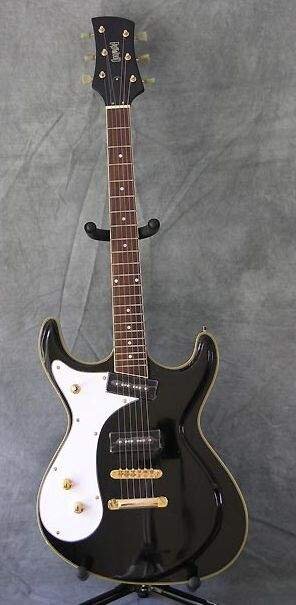
Eastwood Magnum.jpg Eastwood Baritone.jpg No, I don't find it tonally inferior to alder or ash. To my ears, it's just slightly tonally different. I do, however find it structurally inferior to ash and alder - to most other "tone woods", as well. I have a bass - and a baritone guitar - with basswood bodies (these two); and another basswood bass on the way. I have no complaints about how the 2 I have sound. I am very careful, though, about not banging them into anything, and the last thing I'd do is mess with any screws on them, unless it was a dire necessity. Can't say I'm a fan of how basswood looks (as a general rule), either. Probably make a nice core in a "Hippie Sandwich" bass, though...:whistle:
 
Last edited:
I love basswood bodies because they are so light. Yeah, they tend to dent and ding easier, but I don't really care about that. I don't really notice anything unique about how they sound. I have a basswood Squier VMP5 and an MTD Kingston Artist. I absolutely love both of them. In fact I'm recording with the P5 tomorrow over many more expensive basses because of how good it sounds.

I agree that one attractive factor to basswood is it equates to a lighter bass. My Squier weighs in at a paltry 7 pounds and 10 ounces!
 
  • Like
Reactions: Pbassmanca