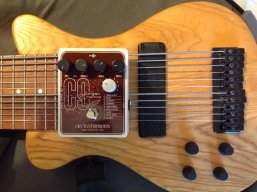
I haven't been in the studio hardly at all in the last 10 years and I am hardly an expert at anything other than playing and doing what I am told. I got a job out of the blue to go in and re-record some bass parts. Don't know the studio or the people, but an engineer I worked with before will be doing the recording. Just got done listening to the material and its pretty straight forward.
When asked what gear to bring, I was told just to bring my basses and I may be asked to play on somebody else bass and will probably go direct. This doesn't make sense as this is a very loud and full sounding band. He said they can take care of the sound and make it bigger "like it was going through a stack of Marshalls if they need to."
I am largely ignorant of recording technology. Can they do that? Or are they just using me as a straw man to get a good part laid down?
When asked what gear to bring, I was told just to bring my basses and I may be asked to play on somebody else bass and will probably go direct. This doesn't make sense as this is a very loud and full sounding band. He said they can take care of the sound and make it bigger "like it was going through a stack of Marshalls if they need to."
I am largely ignorant of recording technology. Can they do that? Or are they just using me as a straw man to get a good part laid down?