• TalkBass has been independent since 1998. Add your voice.
    Create a free account to reply to discussions, view embedded media, and browse with fewer display ads.
    Join freeLog in
    Want zero display ads or expanded classifieds tools? Compare plans.

Duplicate SN…do we have a counterfeit here?

Bottoms_Up!

For the record, I don't love Raymond.
Apr 14, 2009
1,598
335
63
Worcester, MA
I had a clear shot of the SN on an auction site P, so I ran a SN lookup. First pic is from the auction site. Second from Fender’s SN lookup. Same exact SN. I’m guessing the auction item is counterfeit? Obviously a Tele headstock where the Fender lookup shows a standard P headstock. Also, some unbranded tuners on the auction pic. Thoughts?
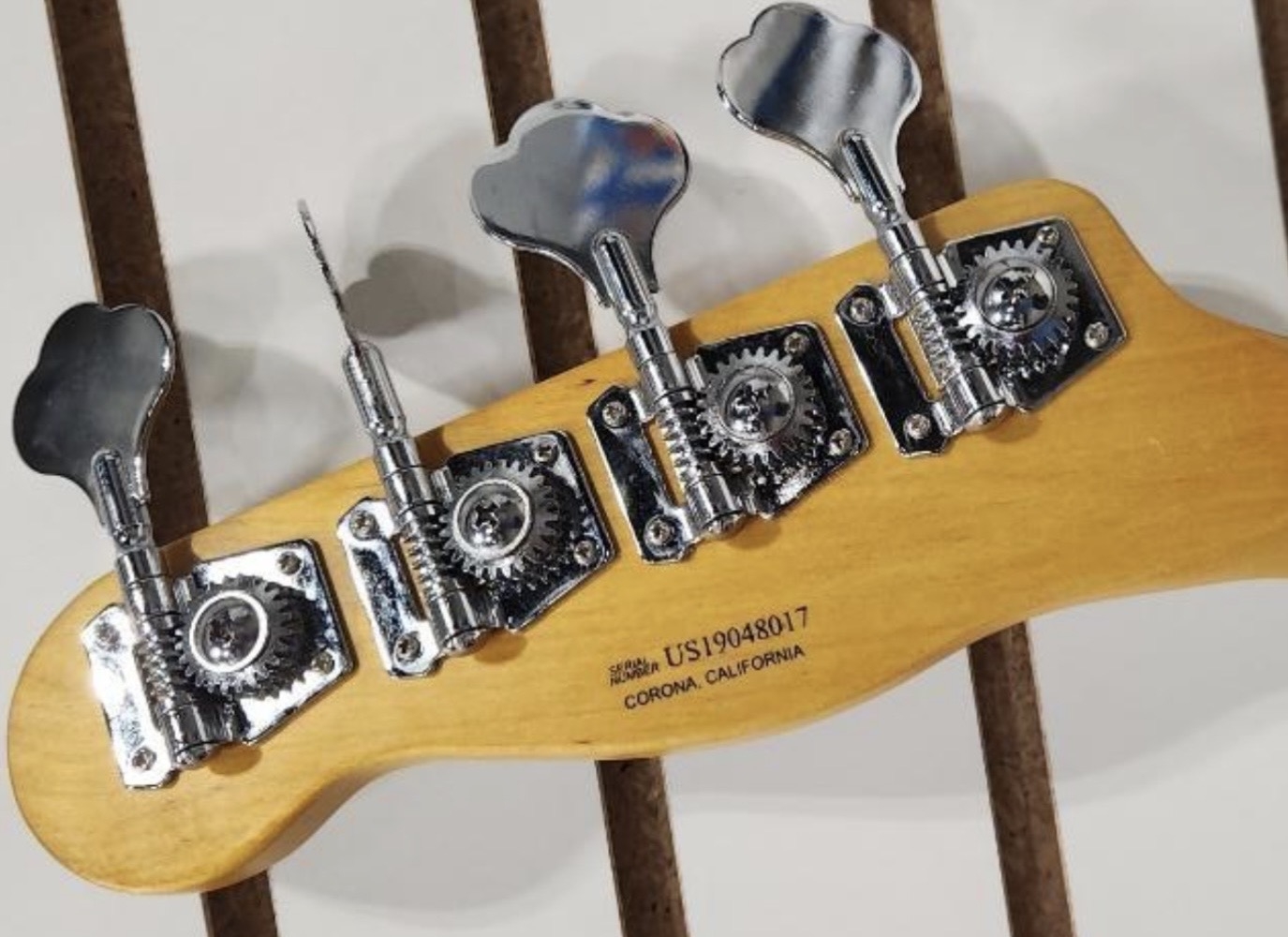
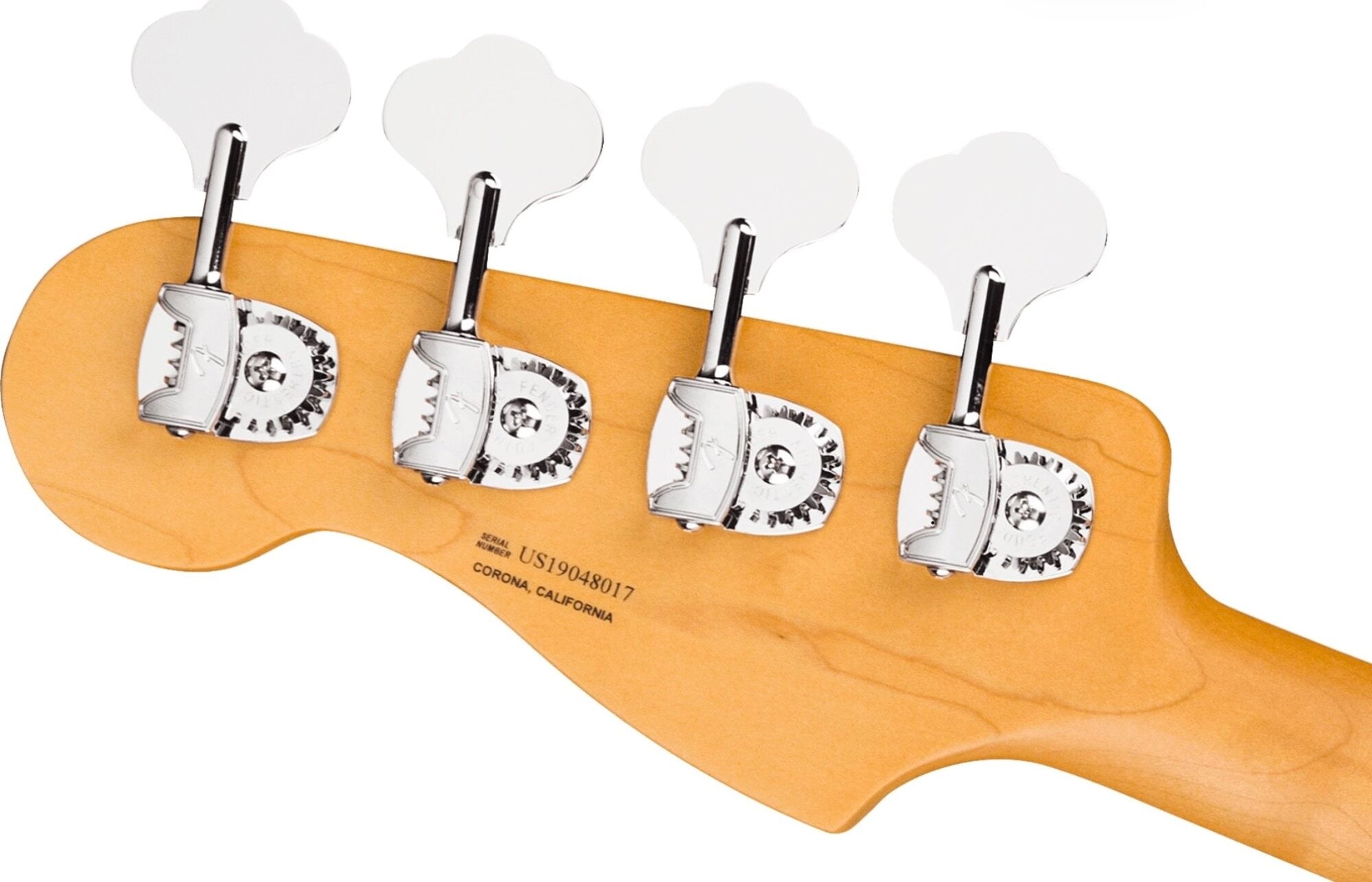
IMG_3829.jpeg

IMG_3830.jpeg
 
Last edited:
I came across a too good to be true price on an American Fender bass locally and ran the serial number. It came up as a legit American Fender. A Telecaster from 2011. The tuners are as cheap as the get as already mentioned. Check the neck plate, the counterfeits usually have a piece of black plastic under and around the edges.
 
  • Like
Reactions: Fullmoon1971
Ok, i've always asked myself why people hide serial number on their instrument when sharing pics on internet. I understand why now.. :rollno:

I think I've seen some people explain that they hide it so that some random local can't just call the police and complain that someone stole there bass and then use the serial number as proof that it's theirs. Seems like a dumb scam since you'd expect the cops to need some sort of proof of receipt other than just knowing the serial number but who knows?
 
Yeah, I'd never buy a Fender with THOSE tuners on them. It would surely be a fake.

That said, I wonder if this serial number is elsewhere on other fakes... like the "2GAT123" license plate in movies/TV shows.
 
Dang, I like those plastic things under the neck plate and put them on my basses. People really see those as an indicator of a counterfeit? I just want to protect the finish a bit.

Me too. I’ve build several basses and use them every time.
I've liked those ever since the neck plate I bought from Warmoth came with one. I'll always consider it an upgrade no matter what others might say.
 
  • Like
Reactions: SharpCat
Dang, I like those plastic things under the neck plate and put them on my basses. People really see those as an indicator of a counterfeit? I just want to protect the finish a bit.

Me too. I’ve build several basses and use them every time.

I've liked those ever since the neck plate I bought from Warmoth came with one. I'll always consider it an upgrade no matter what others might say.
I wasn't trying to say they're bad, just common to see on fakes but not on factory Fenders!
 
This is interesting - don't you want a rock-solid connection between neck and body? I'm putting together a bass now and ordered a Van Dyke-Harms "extra thick stainless steel" neck plate just for this purpose.
The rock solid connection is between the back of the neck and the pocket, not between the plate and the back of the body. If the screws are pulling with X pounds of force, that force is going to be transmitted to the neck through the screw shafts no matter what. With no plastic, the body will deform to meet the plate until the force is countered or the wood compresses. If the plate and the wood aren't both exactly flat, the compression may cause uneven denting. The plastic helps minimize this by spreading the force out across the full plate surface area.

Neck/pocket fit much more important than the neck plate, IMHO.
 
  • Like
Reactions: Bassinthemudd
The rock solid connection is between the back of the neck and the pocket, not between the plate and the back of the body. If the screws are pulling with X pounds of force, that force is going to be transmitted to the neck through the screw shafts no matter what. With no plastic, the body will deform to meet the plate until the force is countered or the wood compresses. If the plate and the wood aren't both exactly flat, the compression may cause uneven denting. The plastic helps minimize this by spreading the force out across the full plate surface area.

Neck/pocket fit much more important than the neck plate, IMHO.
For the bass I'm putting together - a 1970's P-Bass body with a Lowe conversion neck - the neck/pocket fit couldn't be more perfect. I told my buddy, you could play this bass without a neck plate and screws. Just tap the neck in and go. So I wouldn't say the neck plate is "more important," just that it is a fundamental part of the connection between the neck and body. Maybe more important when sustain is the goal though.
 
  • Like
Reactions: SharpCat
The rock solid connection is between the back of the neck and the pocket, not between the plate and the back of the body. If the screws are pulling with X pounds of force, that force is going to be transmitted to the neck through the screw shafts no matter what. With no plastic, the body will deform to meet the plate until the force is countered or the wood compresses. If the plate and the wood aren't both exactly flat, the compression may cause uneven denting. The plastic helps minimize this by spreading the force out across the full plate surface area.

Neck/pocket fit much more important than the neck plate, IMHO.
👆🏼👆🏼👆🏼What he said.👆🏼👆🏼👆🏼
This is absolutely true.
 
Last edited:
  • Like
Reactions: SharpCat