Part of the smart practice has to be how you take care of your body IMO. If you are going to try and practice 10 hours a day make sure that you maintain good posture and understand how to safeguard your hands, wrists, forearms, shoulders, neck, back, etc, etc. Understand about the risk of RSI (repetitive strain injury, now often called OOU -occupational over use) and when to rest, not to try and ignore pain and risk permanent damage.
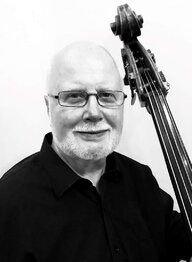
Why am I going on about this. I was Occupational Health and Safety representative in my ex-orchestra, the Sydney Symphony, for some years and saw many colleagues try to play on in pain.
One of the worst things that can happen to a musician's career is called Functional Dystonia. In the "outside" population you occasionally meet someone who has an involuntary tic or jerking movement. Musicians are three times more at risk than the broader community and with us it may start to show as as a lack of control over a particular finger (or fingers?) in the middle of a run of fast notes. The harder they try the worse it gets and there may be some pain involved. Most at risk are players who practice for long hours using small highly repetitive and highly emotionally charged movements of their fingers on instruments such as the piano, violin and woodwind. It can be difficult to diagnose properly and can be mistaken for OOU if pain is involved. It appears to be some sort of rewiring of the brain and can be a career wrecker. The affected person needs enormous emotional support and may not ever fully recover the same level of facility on their instrument.
Good news is that I have never heard of Functional Dystonia happening to a bass player. This is possibly because our LH finger movements are not as fast and require more strength that ensures better blood flow and removal of waste products.
So please don't be the first case!!!!!!
Best wishes to all,
DP
Why am I going on about this. I was Occupational Health and Safety representative in my ex-orchestra, the Sydney Symphony, for some years and saw many colleagues try to play on in pain.
One of the worst things that can happen to a musician's career is called Functional Dystonia. In the "outside" population you occasionally meet someone who has an involuntary tic or jerking movement. Musicians are three times more at risk than the broader community and with us it may start to show as as a lack of control over a particular finger (or fingers?) in the middle of a run of fast notes. The harder they try the worse it gets and there may be some pain involved. Most at risk are players who practice for long hours using small highly repetitive and highly emotionally charged movements of their fingers on instruments such as the piano, violin and woodwind. It can be difficult to diagnose properly and can be mistaken for OOU if pain is involved. It appears to be some sort of rewiring of the brain and can be a career wrecker. The affected person needs enormous emotional support and may not ever fully recover the same level of facility on their instrument.
Good news is that I have never heard of Functional Dystonia happening to a bass player. This is possibly because our LH finger movements are not as fast and require more strength that ensures better blood flow and removal of waste products.
So please don't be the first case!!!!!!
Best wishes to all,
DP