• TalkBass has been independent since 1998. Add your voice.
    Create a free account to reply to discussions, view embedded media, and browse with fewer display ads.
    Join freeLog in
    Want zero display ads or expanded classifieds tools? Compare plans.

Double Bass Endpin Materials

Hi all,


I’m considering making my own endpin and wondering which materials would be best. My current plan is to use brass for the rod with a titanium tip.


I got this idea after trying out a Mitsuke Triple Brilliant endpin (brass with a titanium core), but I don’t want to spend $500 on an endpin!


Any advice or material recommendations would be greatly appreciated.


Thanks!
 
I don't really know how the response is affected by the material itself, but it seems to be greatly affected by weight.
I have a Bender endpin on two of my basses. One solid brass and one solid titanium. Exchanging the endpins on the basses leads to very similar results on both instruments, so the must be something to it. The heavier endpin seems to make the response more controlled and solid, while the lighter endpin opens up the upper register in a very nice way.
I also tried wooden enpins. Nice experiment, but not very practical for me. Likely much cheaper than solid titanium.
What materials are practical for your purpose is also dependent on how long your endpin needs to be. Long and fragile is not a very good combination.
 
I have built about 15 with a high grade brass rod, and a tip from Saddle Rider. I use a big beefy pear shaped rubber tip. I think Concord imports them, about 20 bones.

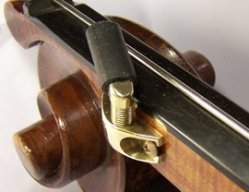
Be forwarned...your set screw from your endpin plug will mar the brass pretty significantly. I use a 10mm lock collar to adjust the height and the bass basically sits on the collar, and it works like a charm! It adjusts with a 4 mm Allen key. I use a second short stubby travel endpin so I just pop out Lil' Shawty and pop in the brass, lightly tighten the screw, but you really won't need to much. A beneficial part is the height consistency using the lock collar.

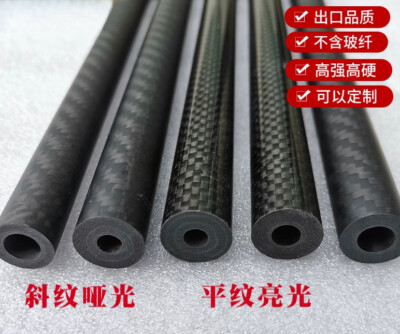
I did the first few with just a standard brass rod. A huge change in sound compared to carbon fiber playing pizz. I then switched up to H59 brass rod and have been using that ever since.
I lovingly call mine "The Pizz Pin", although Arco roars, too.

I spent a few hours with some bass friends that have good ears, and in the blind Pepsi taste test, the brass definitely added weight (as one would imagine) to the tone. Walking down from F to F on the E, there was a audible difference from C on down. Just...a tad fuller. A/B/C'd with brass, steel and carbon fiber, and there was a difference.

I hope your experiment is successful, exciting and fun! It's a relatively inexpensive venture, and if you don't like it, you can keep it behind the passenger seat of your car for those "sketchier" gigs!
Have fun!
 
  • Like
Reactions: Oscar Yanez and Co.
Endpins are affordable, a modest time commitment, and you can often build them with minimal tooling.

I make them out of everything I can get my hands on; wood, aluminum, titanium, carbon fiber, bent laminations, crazy $#!t I find at the scrap yard. Rigid, mechanical, retractable, modular.

Every bass responds a little different, so the only way to know is give it a try. It feels like I've spent enough $$$ to buy a car and used up enough materials to build a small sailboat over a lot of different experiments.
 
Last edited:
I've had fun experimenting with different wooden endpins(a la Chuck Traeger). I like them better than metal for my bass, which is pretty bright to begin with. Whether or not the type of wood makes much difference I don't know. I tend to doubt it based on my experience, but it's still an open question. Students who've been part of the experiment say no.
 
  • Like
Reactions: Oscar Yanez
I try to stay away from this stuff. Can of worms. But, John Haines-Eitzen of saddlerider.com has done tons of research into this. He told me to try steel tube rather than solid rod. I never use a straight pin anymore, preferring my RobPin, but I brought a bunch of rods and tubes including CF and made my kids sit and listen for differences. They found that the 10mm with 1mm wall cold rolled plain steel was the overwhelming winner. Nothing else even came close. This was on a parquet floor lain over a concrete slab, and a Saddle rider rubber ball on the tip. Thea said that she could feel the vibrations through her feet. John keeps telling me to try certain grades of stainless. He likes 304. I am fine where I am:)

Stefan Krattenmacher, a top builder in Germany, prefers a 16mm solid brass rod in a Bender mount. A bunch of us luthier geeks were at a festival together two years ago and we tried a bunch of endpins I had brought on his newest bass, which won the competition. I supplied both wood and steel tube. The solid brass beat almost everything, but an olive wood pin tied. It had a certain growl which many people liked.
 
I'm fortunate to play a bass that's big enough that I never need more than 2" maximum endpin extended. I tried CF to save a few ounces over the 6" hollow metal, but it kept slipping. On my smaller bass, I have a solid titanium rod, but to be honest, in my experience, any sonic subtleties from endpin material (or adjusters) are pretty much moot once the orchestra starts up. My only decision, based on feel more than anything else, is to spike into a wood floor or leave the rubber ball on.
 
After spending a couple weeks messing around with the steel endpins vs different types of wooden endpins on my basses; I'm a convert to wooden endpins. I'm currently using hickory drumsticks with a wolf super end pin. I use them because they make the instruments sound (and feel) more alive.