• TalkBass has been independent since 1998. Add your voice.
    Create a free account to reply to discussions, view embedded media, and browse with fewer display ads.
    Join freeLog in
    Want zero display ads or expanded classifieds tools? Compare plans.

Experiment with acetylated wood (Accoya)

This is a build to experiment with acetylated wood.

Accoya wood is normal wood that because of acetylation (a wood modification process with a strong vinegar) hardly absorbs any moisture anymore in the cell walls of its wood structure. This has improved dramatically it’s durability against rot, mold and insects etc. It is also the best dimensional stable wood in the world (will hardly warp, crack, etc.).

For more information see: Invalid Link Removed

It is interesting to find out what the chemical process will do with the sound. Therefore, this experiment with Accoya Alder.

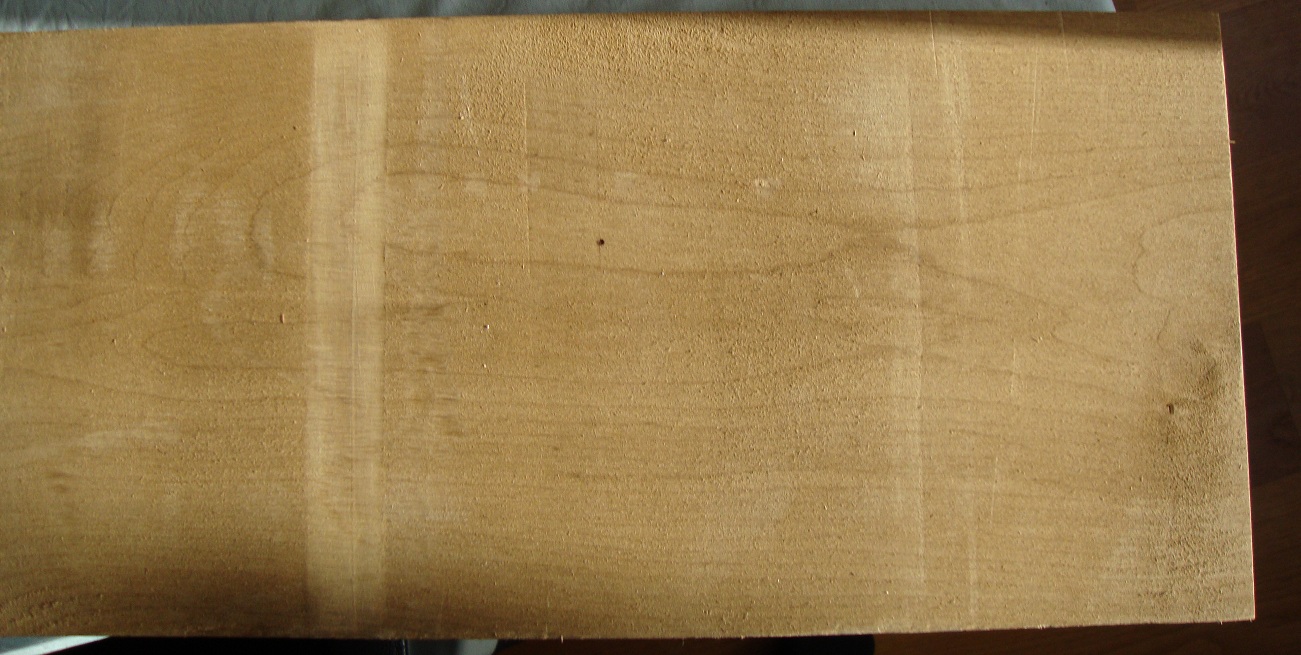
The pictures below show the blocks of wood (alder) that I got from the factory.
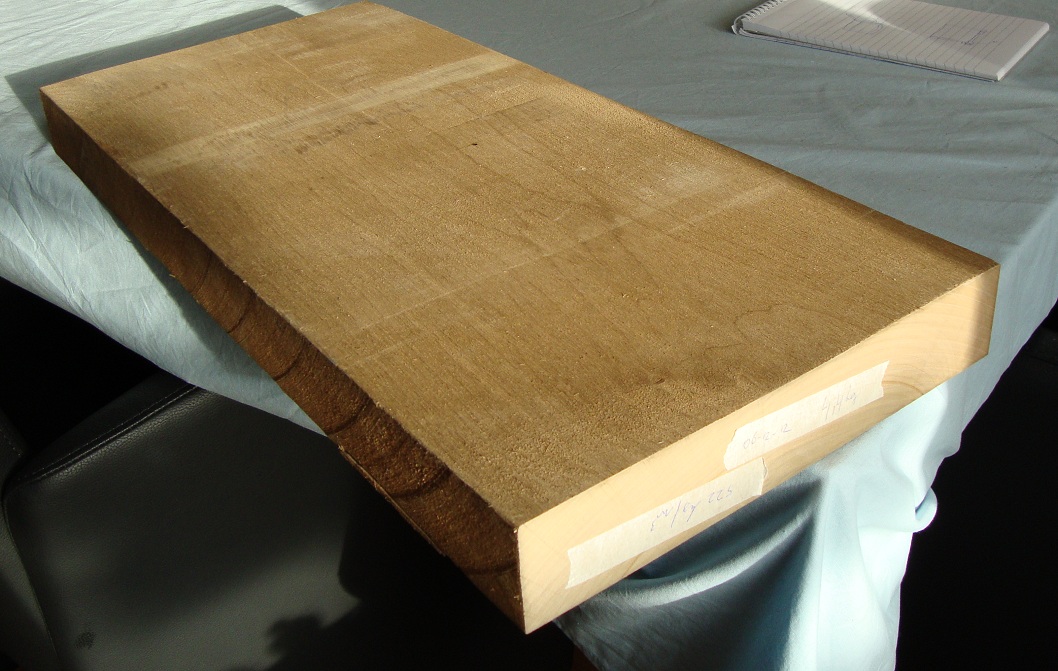
AB_01.jpg

AB_02.jpg
AB_03.jpg


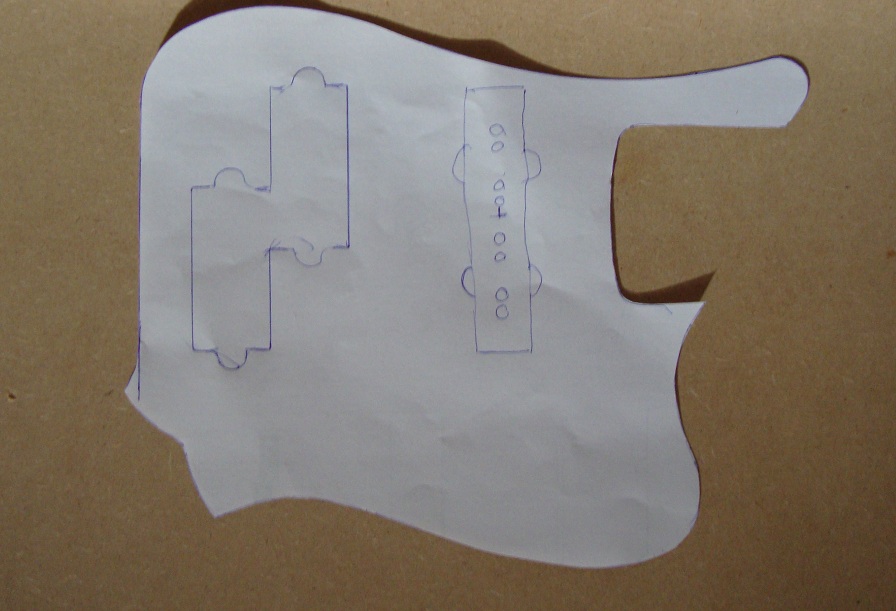
For a good comparison, I will build a bass which design is very similar to existing models. The placement of the pickup's will be classical.

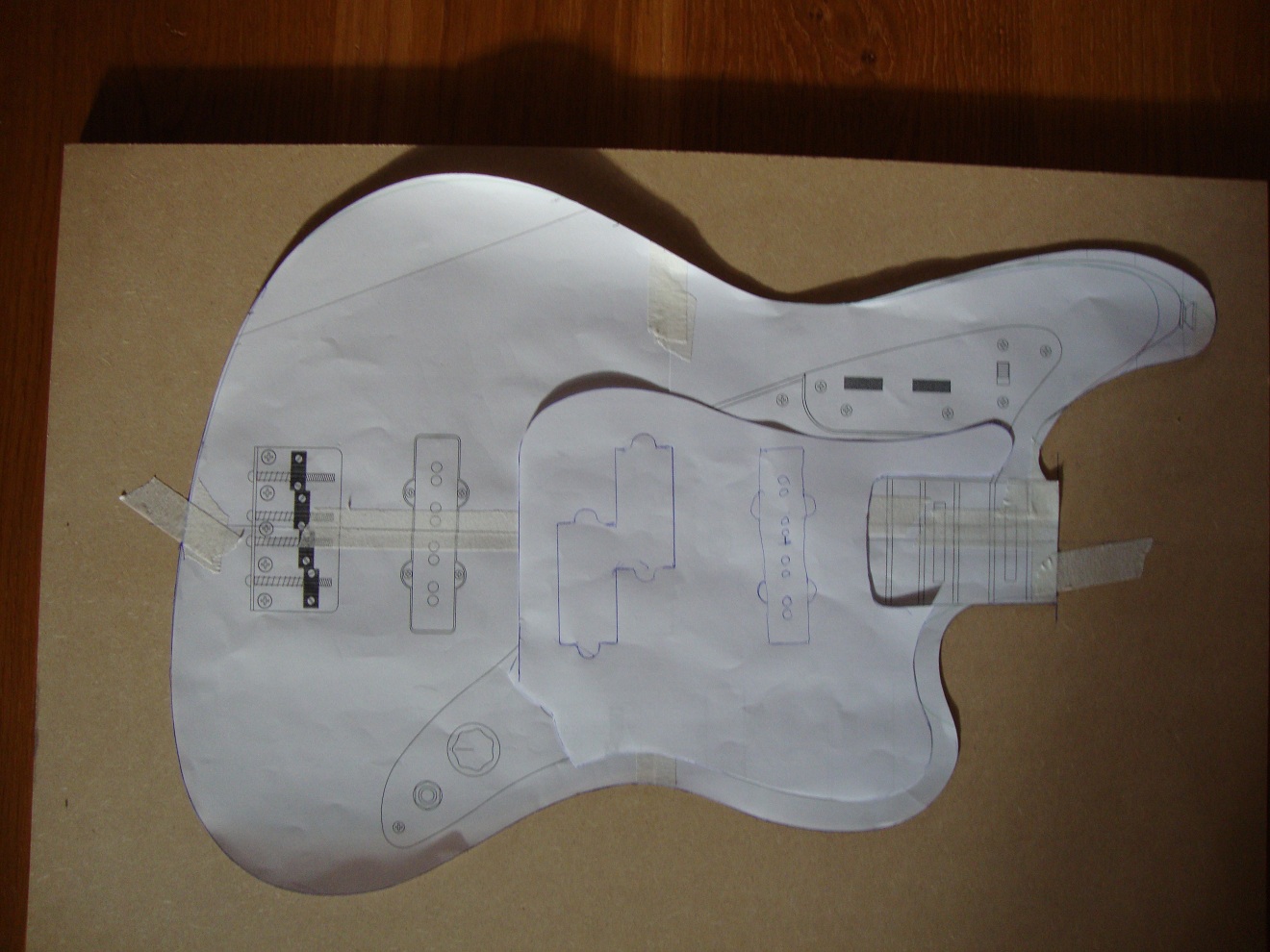
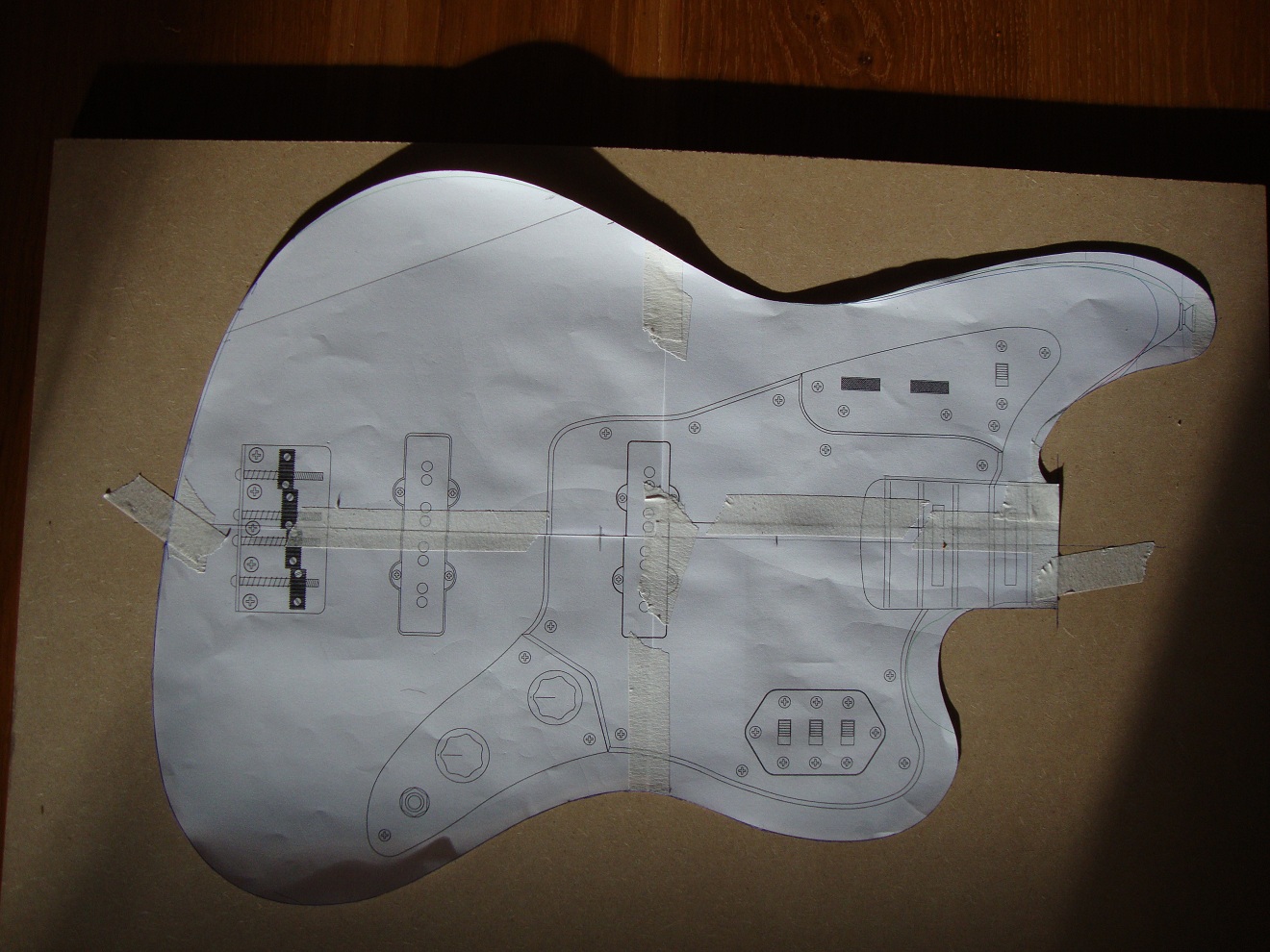
The shape of the body is a cross between a Jazz Bass, Jaguar Bass and Bass VI.

The bass will get three pickup's. A jazz pickup at the bridge, a precision pickup in the usual position and a jazz pickup at the neck but closer to the neck than usual.

Also, a control plate with 3 switches (one switch for each pickup) like a Jaguar. The "control plate" for the tone and volume control is of type "Mustang".

The body will be painted 2 tone sunburst and get tortoise pickguard.
AB_04.jpg

AB_05.jpg
AB_06.jpg


On the pictures above you see the drawing of the body already on a piece of MDF. After drawing the body shape on the MDF, I can cut out a template.

More to come...
 
Fascinating. I've heard of this for a long time, but I was unaware of any suppliers. Even the old farts I apprenticed with many moons ago would pass it along that soaking a timber in vinegar would improve it's life and resistance to rot. I used to think it was crazy until I heard of acetylating as a process.

Looking over these guys' website, there is a lot of the typical snake oil marketing rhetoric you see anywhere, but the scientific articles were interesting. They are reviews and white paper descriptors rather than peer-reviewed research, but at least there is enough detail to sort out some wheat from chaff.

What I took from the articles is basically this:
  1. The process will reduce decayability of wood significantly
  2. In some woods, the process can increase Janka hardness by up to 30% (which ones and how much not so easy to find)
  3. MOR and MOE are not altered enough to make a statistically significant effect by the process however some workers report "improved dimensional stability".
  4. The process makes wood hydrophobic and hence aliphatic glues are not preferable (titebond and regular wood glues), however epoxy and polyurethanes seem to work well (ironic as PU glue needs a wetted surface to work better!)

Where did you source the lumber?
 
I got in contact with the factory/manufactor here in The Netherlands via their website.

I asked them were I could buy the wood because I wanted to use it to make a (bass)guitar as an experiment.

They called me to ask me what I needed. A few weeks later their relationship manager brought the wood over to my house.

In return they want me to let them know how working with their product is compared to normal alder. And how the result sounds.

The relationship manager told me the wood is used in harmonica's and does not need a (clear)coat like normal wood, because it is hydrophobic.
 
  • Like
Reactions: Gopherbassist
It seems like an interesting product, but MAN that web site is ridiculous. There is more intentionally vague snake-oil marketing speech there than there is legitimate information. That silliness about "enabling nature" is just ridiculous.

Regardless, I am looking forward to seeing this project take place. Are you planning to build an identical body out of untreated alder for the sake of comparison?
 
Does the wood supplier recommend protection from the dust? I would imagine that the tool-heated chemical can be nasty!

Great project, by the way.
The byproduct is basically just vinegar. Wood dust itself is a major health hazard though, so the typical precautions including a respirator are always warranted anyway. Ever seen a basic MSDS for "wood"? Blow ya mind... :)
 
It seems like an interesting product, but MAN that web site is ridiculous. There is more intentionally vague snake-oil marketing speech there than there is legitimate information. That silliness about "enabling nature" is just ridiculous.

Regardless, I am looking forward to seeing this project take place. Are you planning to build an identical body out of untreated alder for the sake of comparison?
I agree with the estimation of the website, but try to find an honest marketer these days in any field!

Regarding a comparison, that's also what I thought, but then again the difference between two basses built from the accoya lumber may be greater than the difference between the accoya and untreated alder. Only way to tell and get any measure of statistically significant meaning would be to build 40 of each and then conduct some research into their variability. But I'm sure no one wants to hear science, logic and reason from an old tonewood debunker like me...

:D
 
I agree with the estimation of the website, but try to find an honest marketer these days in any field!

Regarding a comparison, that's also what I thought, but then again the difference between two basses built from the accoya lumber may be greater than the difference between the accoya and untreated alder. Only way to tell and get any measure of statistically significant meaning would be to build 40 of each and then conduct some research into their variability. But I'm sure no one wants to hear science, logic and reason from an old tonewood debunker like me...

:D

For comparison I should build more than just one bass.
But that would mean I should give up my day job. And I only have wood for one body.

I don't think the shape of the body would be much of an influence. But the placement of the pickup's is. So that's why I thinking of the P-pickup and the J-pickup for the neck.

For the neck I will use maple and for the fingerboard rosewood.

If anyone got suggestions for a good comparison, please let me know.
 
I has so time to continue with the project.

In a music store that had to close down I could buy some Peavey tuners for just 20 euro's.

AB_08.jpg


For the headstock I made a design that is a mix of the Peavey T40 headstock and a Fender Headstock.

AB_09.jpg


The template for the body is ready, mix of Jazz bass, Jaguar bass and Bass VI.

AB_11.jpg


There is enough wood in the body blank.

AB_10.jpg


And a blank for the neck...

AB_12.jpg


More to come...
 
I agree with the estimation of the website, but try to find an honest marketer these days in any field!

Regarding a comparison, that's also what I thought, but then again the difference between two basses built from the accoya lumber may be greater than the difference between the accoya and untreated alder. Only way to tell and get any measure of statistically significant meaning would be to build 40 of each and then conduct some research into their variability. But I'm sure no one wants to hear science, logic and reason from an old tonewood debunker like me...

:D

Indeed.

I've gone through the legwork of figuring out how to setup a double-blind tonewood study. It's...expensive. Even limiting the scope of the study to common domestic american hardwoods used in the construction of solid-body electric bass guitar bodies, it'd still cost tens of thousands of dollars and take several months.

Nonetheless, I've been thinking about putting together a proposal and applying for some grants to run the project.
 
Very cool project Ton! I missed the start of it, glad I didn't miss the thread at all :smug:. Care to share the name of the supplier and the name of the glue you've used? I always find it hard to translate finishing products and glues to Dutch product names, types and brands. Is it something like "Bison Constructielijm" (construction glue) you've used? If so, they make up some silly names in Dutch don't you think?