My '79 P, made before the Mexican factory existed, has a similar hole under the pickguard.
CNC machines have been around for a long time. The OP was questioning that a CNC was used.

TalkBass has been independent since 1998. Add your voice.
Create a free account to reply to discussions, view embedded media, and browse with fewer display ads.
Join free Log in
Want zero display ads or expanded classifieds tools? Compare plans.
My '79 P, made before the Mexican factory existed, has a similar hole under the pickguard.

CNC machines have been around for a long time. The OP was questioning that a CNC was used.


I know. It certainly could be CNC related, but it could also be related to other manufacturing processes. Before CNC, routers and other tooling were used with jigs and/or patterns, and still are by lower volume makers.
In the woodworking world, it's common to have some sort of common index or reference when moving from one station or jig to another when making duplicate items. There are also automated work holding devices that can insert into a round hole and expand, allowing oddly shaped items to be picked up or repositioned without gripping "show" areas.




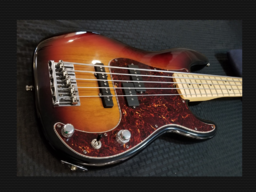
I have a road-worn Flea Jazz bass made in Mexico and was surprised to find under the scratch plate / pick guard a hole about 1/2" diameter & quite deep, next to an engraved 'Road-Worn'.
I know some people say this is for indexing a cnc machine but I can't believe this can be correct.
Is this common to all Mexico road-worn basses?

It has nothing to do with CNC mills. But go on and keep believing if you want.
I remember a quote from years ago:
According to Jeff Beilke from Fender, "That [hole] is indeed a byproduct of the routing machines utilized in our Mexico factory. I believe that's where the CNC machine actually holds the body in place in order to assure the correct cut. "



I don't know about the CNC stuff, but the Mike Dirnt Road Worn bodies have the stamp, but not the hole.
View attachment 5104950

I'm not sure what this thread is about, as far as reality is concerned.
Evidentially Fender in Ensenada, Mexico has more than one production line outputting bodies using different generations of equipment and methods.
I don't know how many here, besides myself, have worked in a field deeply involved with--literally side-by-side, if not directly--manufacturing and fabrication including commercial woodworking, various processes for making metal components, CNC for both wood and metal, injection molding, and finishing processes ranging from lacquer to water-based urethanes, plating and anodizing, etc.
What I can recognize is who here hasn't, and I'll just leave there.
That actually was a lot of words for nearly no contribution.

In his own words, “I believe”. And those same mills cut thousands of the same bodies without the hole.