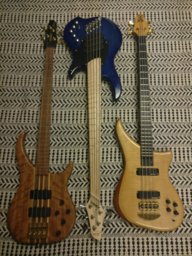
Am I the only one who read the title as Ginger Funk and expected something very different? 

TalkBass has been independent since 1998. Add your voice.
Create a free account to reply to discussions, view embedded media, and browse with fewer display ads.
Join free Log in
Want zero display ads or expanded classifieds tools? Compare plans.
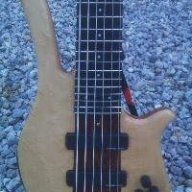



I'm not an expert, but I've had success using Ronsonol (lighter fluid) to safely remove, greasy, gummy (adhesives) from delicate plastic without doing harm. Not sure about a wood surface. Perhaps try out in an inconspicuous spot. Beautiful bass btw.

Lighter fluid is made primarily of naphtha with small amounts of other ingredients.I'm not an expert, but I've had success using Ronsonol (lighter fluid) to safely remove, greasy, gummy (adhesives) from delicate plastic without doing harm.
I just cleaned the neck of a fretless that I picked up at a pawnshop using an automotive wax and grease remover that is basically naphtha... Naphtha will not harm any finish or wood that I know of and usually will not harm most common types of plastics. (But don't push your luck if you don't have to...) I buffed my neck down lightly with 2000 grit sandpaper for a smooth satin finish. It feels great...Stay away from acetone and alcohol, naphtha is a great cleaner, and I use high quality auto polishes
Lighter fluid is naphtha with other chemical additives that you don't really need soaking into the wood of your neck...Not intending to start a debate....simply pointing out that the two fluids are similar and one seems to be a luthier's choice.
I use Ronsonol or pure VM&P naptha depending on what's closest at hand, haven't noticed any difference in practice myself.

Wicked. Thanks for the recommendation. Cheers.Simple green, plant based natural degreaser. Ive used it on vintage fenders and hofners with no adverse effects to lacquer

Just don't use it on an unfinished fretboard (rosewood ect)Wicked. Thanks for the recommendation. Cheers.