• TalkBass has been independent since 1998. Add your voice.
    Create a free account to reply to discussions, view embedded media, and browse with fewer display ads.
    Join freeLog in
    Want zero display ads or expanded classifieds tools? Compare plans.

fretboard differences

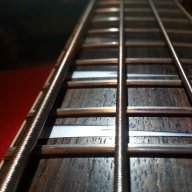
Maple is brighter. Rosewood is warmer. It's a very subtle but noticeable difference. Maple generally feels smoother, and rosewood is more porous. Rosewood feels more grainy.

Some folks don't care, some people can't hear a difference. Live, it won't make as much as a difference as it would while recording. Also, the placement and pressure of your fingers on the fretboard will vary the amount if influence the fingerboard wood will have on tone.

Go with your gut; it already told you that you prefer maple. Personally, I prefer rosewood.

Some maple boards are finished with tung oil, lacquer, or poly.

Ebony and Pao Ferro are also used. Pao Ferro is a bit brighter than rosewood. Ebony is bright and hard as nails, usually first choice for fretless, and standard on violins, cellos, upright bass, etc.
 
Never cared for the thick finish that maple 'boards used to get from Fender and others when I played guitar. It was sticky and made it hard to bend strings.
When my bassist in the '70s bought a new Gibson Grabber I liked it's "dry" maple 'board.
Then I got an early Ibanez Roadstar and it's satin-finished all-maple neck was splendid, but I've pretty much always ended up with rosewood on my guitars and basses.

Since I like a fast attack and bright tone, my next bass with have maple under my fingertips if at all possible.

The way it Looks is a perfectly valid reason to choose fingerboard wood, too.
The tonal difference is minor and can easily be compensated with EQ for the most part, so if you aren't concerned with the subjective difference in feel just buy whatever you like.
Neither wood is better or worse in the long run, just different.