
Musiclogic
Commercial User
- Aug 6, 2005
- 6,505
- 73
- 60
- Disclosures
- Owner/Builder: HJC Customs USA, The Cool Lute, C G O
See youtube for jigs. There are a number of "radius jigs" demonstrated , and might give you some clarification. 

TalkBass has been independent since 1998. Add your voice.
Create a free account to reply to discussions, view embedded media, and browse with fewer display ads.
Join free Log in
Want zero display ads or expanded classifieds tools? Compare plans.




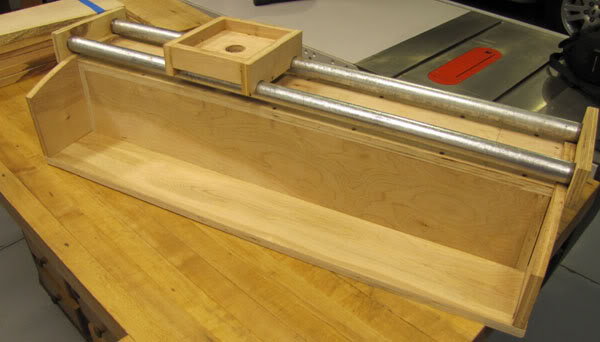
Here's Grizzly's version.I would love to see pics of this jig.



Here's a shot of my jig.
Invalid Link Removed
which is my version of this one by Ledbelli Bass

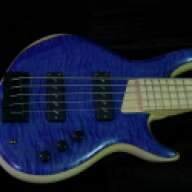
Big B. said:...you will find very few professional luthiers that build basses with flat boards because most people just dont find them as comfortable. Most of the people I see who expouse the virtues of flat fingerboards are amatuer luthiers who dont want to deal with properly radiusing the board.

 , but it is based on MY experience as a luthier and as a professional bassist. IMO almost every opinion is a blanket statement. Its based strictly on my personal experience with people I know who have started building instruments, including myself, threads that I have seen right here in the LC and other successful luthiers I have spoken with. Most of them made their first instrument or two, as did I, with a flat board because it was easier. If not, they ordered a pre radiused board instead, but that still makes my point for me about it being more common among less experienced builders. All of these builders went on to start using radiused boards instead. In fact, I went back and radiused that first bass after the fact to help fix the "problem". I am not saying some people dont like flat boards, and if you do, please dont let me stop you, but I think it is fair to say that most people find some sort of radius more comfortable or the incredible vast majority of commercial builders wouldnt go through the time and effort needed to radius a board if they could just run it across a jointer and glue it to the neck. I cant think of one major bass maker who uses a flat board as the standard radius. If there is please let me know, I am here to learn just like anyone else.


