
Enjoy the benefits of a premium membership!
Upgrade Account
-
TalkBass has been independent since 1998. Add your voice.
Create a free account to reply to discussions, view embedded media, and browse with fewer display ads.
Join free Log in
Want zero display ads or expanded classifieds tools? Compare plans.
You are using an out of date browser. It may not display this or other websites correctly.
You should upgrade or use an alternative browser.
You should upgrade or use an alternative browser.
Fretted ebony board
- Thread starter xk49w
- Start date
More options
Who Replied?
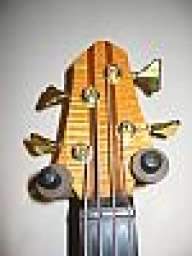
I have quarter sawn ebony on my fretted home built. Totally love it. No problem to work with. I suspect it's a money thing (?) but hopefully some of the big dogs will chime in.

Ebony is a limited ressource. It takes a long time to cure and without ideal conditions easily cracks.
It also is a wood that doesn't comply too well with CNC.
It also is a wood that doesn't comply too well with CNC.

Hopkins
Commercial User
Ebony is much more expensive and harder to work with than Rosewood / Maple
Its not that much more expensive than rosewood, and its not hard at all to work with.
I think its less common as a fingerboard because Maple and Rosewood are more traditional, and people don't like to do different things.
Its not that much more expensive than rosewood, and its not hard at all to work with.
I think its less common as a fingerboard because Maple and Rosewood are more traditional, and people don't like to do different things.
Well Ebony is one of the most expensive woods to get. And it's one of the hardest, so not easy to work on.
I also should mention that it's used alot on basses that are build for massive sounds. Not really as in metal, but because of the hardness, the notes seem to ''bounce off'' the fretboard. Depending on taste, people like warmer tones more like Rosewood, Maple or Pau Ferro..


It raelly depends. If you look at the guitars metal musicians favor, quite a lot of them have ebony fretboards. One of my Stingrays, and my Ovation magnum both have ebony fretted boards btw.
There was also a time when ebony was more traditional. The maple thing is pretty much an invention of Leo Fender.
There was also a time when ebony was more traditional. The maple thing is pretty much an invention of Leo Fender.
Hopkins
Commercial User
Ebony is about as traditional as fingerboard wood gets. Violins and such have been made with ebony boards for centuries.
But then....medieval ancestors of guitars were often made with maple boards (and maple frets).
I meant traditional as in, Fender or Gibson didn't use it.
Yes, its hard wood, but It saws nicely, it doesn't plug sand paper as bad as some woods, and it doesn't tear out as bad as some woods. As a finger board it doesn't need a finish. I don't find it all that difficult to work with really.
I meant traditional as in, Fender or Gibson didn't use it.
Yes, its hard wood, but It saws nicely, it doesn't plug sand paper as bad as some woods, and it doesn't tear out as bad as some woods. As a finger board it doesn't need a finish. I don't find it all that difficult to work with really.
So what about that epoxy layer for fretless basses? Is that for extra protection, not damaging the wood?
Hopkins
Commercial User
So what about that epoxy layer for fretless basses? Is that for extra protection, not damaging the wood?
I've seen alot of ebony fretless boards with no finish. But yes its just extra protection.

Ebony is the standard fretboard/fingerboard on all Carvin basses and an upgrade on other manufacturers. Not sure why it's like that, but I'm glad it is.
Personally, I like ebony. One possible concern is that ebony can be prone to shrinkage, causing fret sprout.



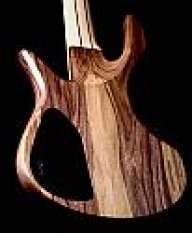
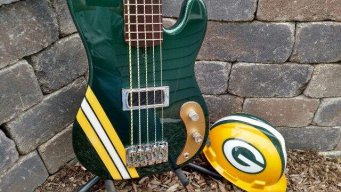
I have an ebony fretted bass:
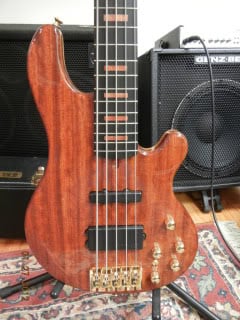
and LOVE it!
as a friend discussed his recent fretted ebony...it has "snap"....very different sound that RW or maple to me...
and LOVE it!
as a friend discussed his recent fretted ebony...it has "snap"....very different sound that RW or maple to me...

DiabolusInMusic
Functionless Art is Merely Tolerated Vandalism
I'll be a repeater... Carvin offers ebony fretted boards as the standard... I paid to upgrade my LB76 to flamed maple... I don't know who told you this was uncommon but they might be crazy...
In regards to why Fender doesn't, there are so many other woods and combos Fender does not offer, why pick that one?
I'll get my flame suit on here, but if your going that route, why not ask why neck-thru basses are not a typical option?
In regards to why Fender doesn't, there are so many other woods and combos Fender does not offer, why pick that one?
I'll get my flame suit on here, but if your going that route, why not ask why neck-thru basses are not a typical option?


