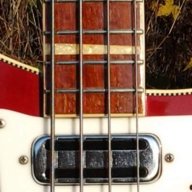
It may not be everyone's cup of tea, but, let's say you're starting to play larger and crowded venues and the expectation is to have a huge concert or festival style bass sound.
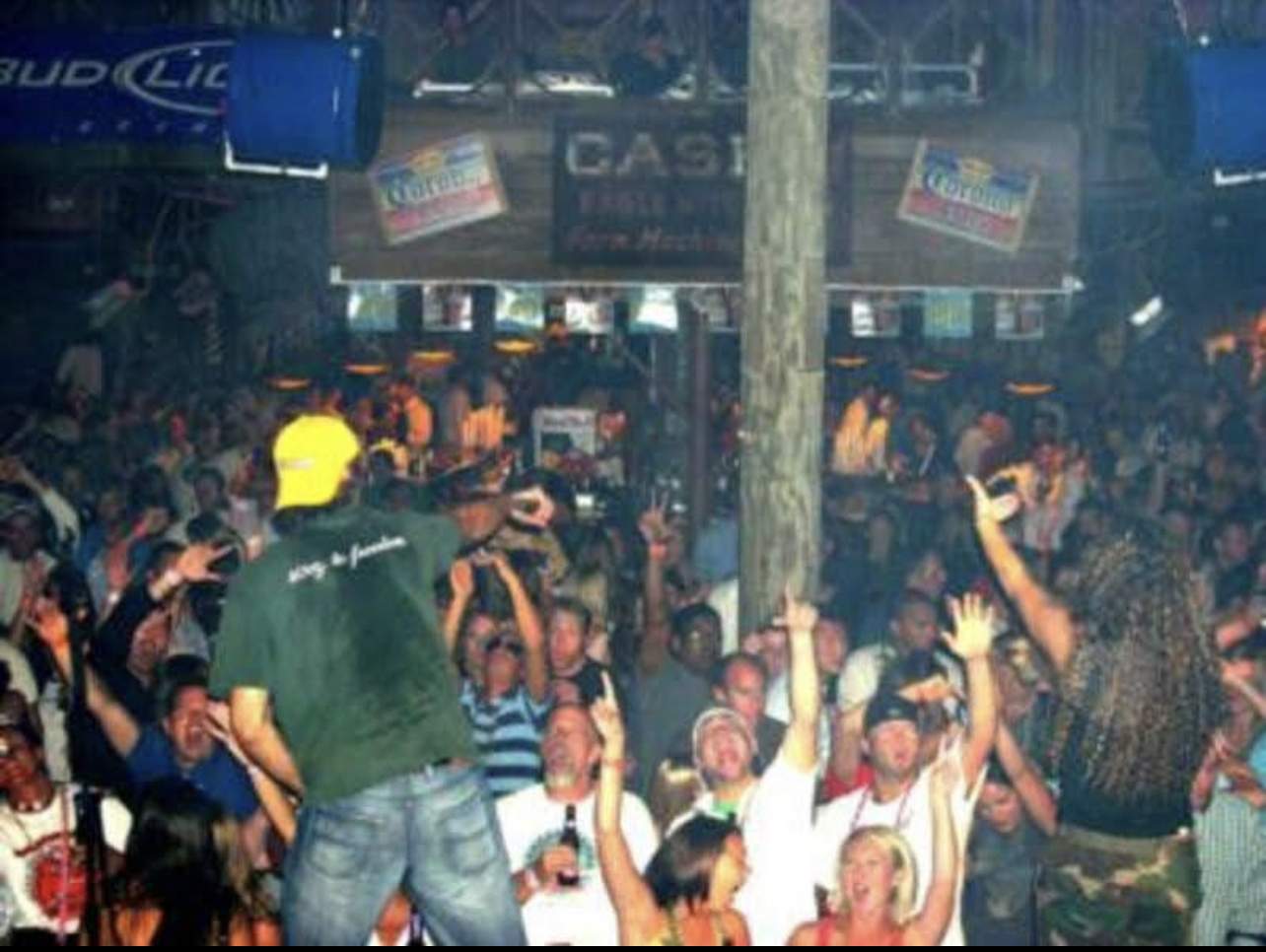
Well, you need oogles of power and volume but there's a bit more to it if you don't want to lose the gig. First off, taking your typical 100-1000 watt amp for a ride is a different game when is being fortified with a 5,000 to 50,000 watt PA. Here's some tricks. First off, you're going after low end transients and they'll swallow up everything audibly on stage so if at all possible use in-ears so you can have some clarity. Additionally, ditch as many pedals as possible unless they are absolutely critical to your sound. A strong clear signal will help you hear and will remove some of the mixing complexity for the sound guy. I knew this gig (middle 2 pics) was going to be a low end nightmare on stage because it's a very loud event and the close walls harness the lows.
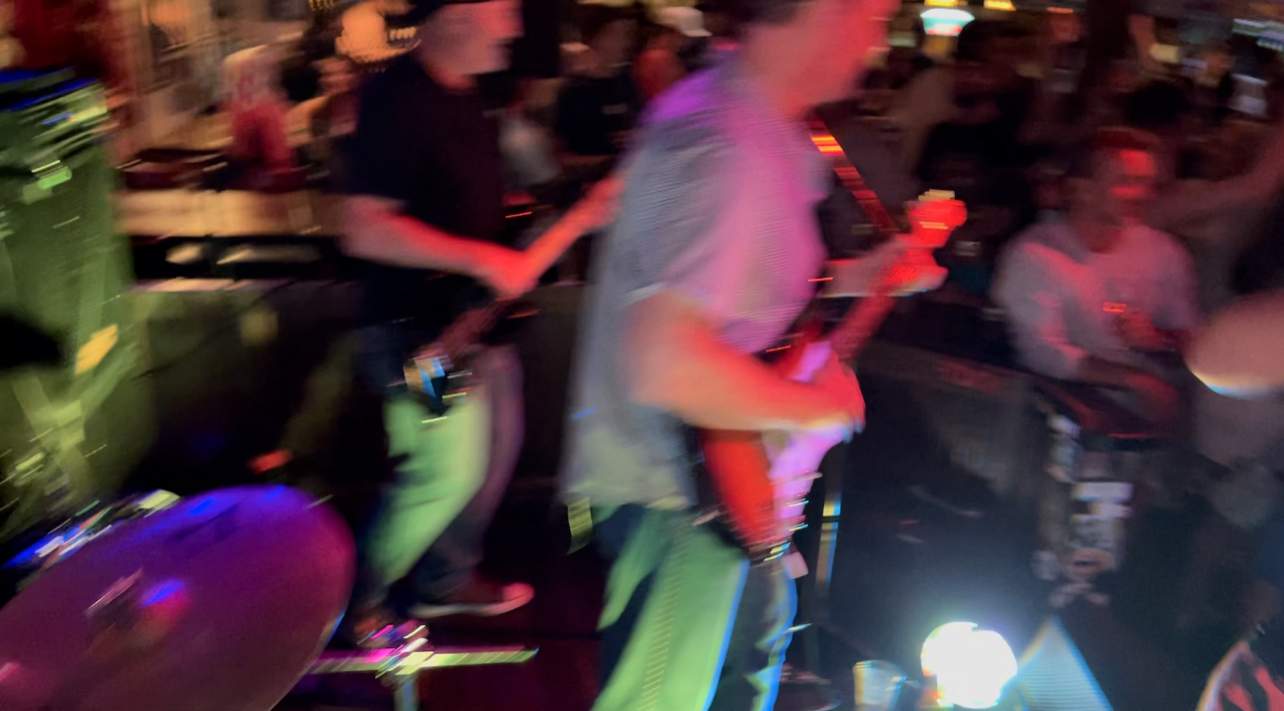

To counter it, I went with just a tuner and mute switch - anything else would have gotten buried in the mush and just dulled the signal chain. Definitely helps to have a bass with an active pre-amp the you can nudge up the low end and high end for an extra bit of clarity.
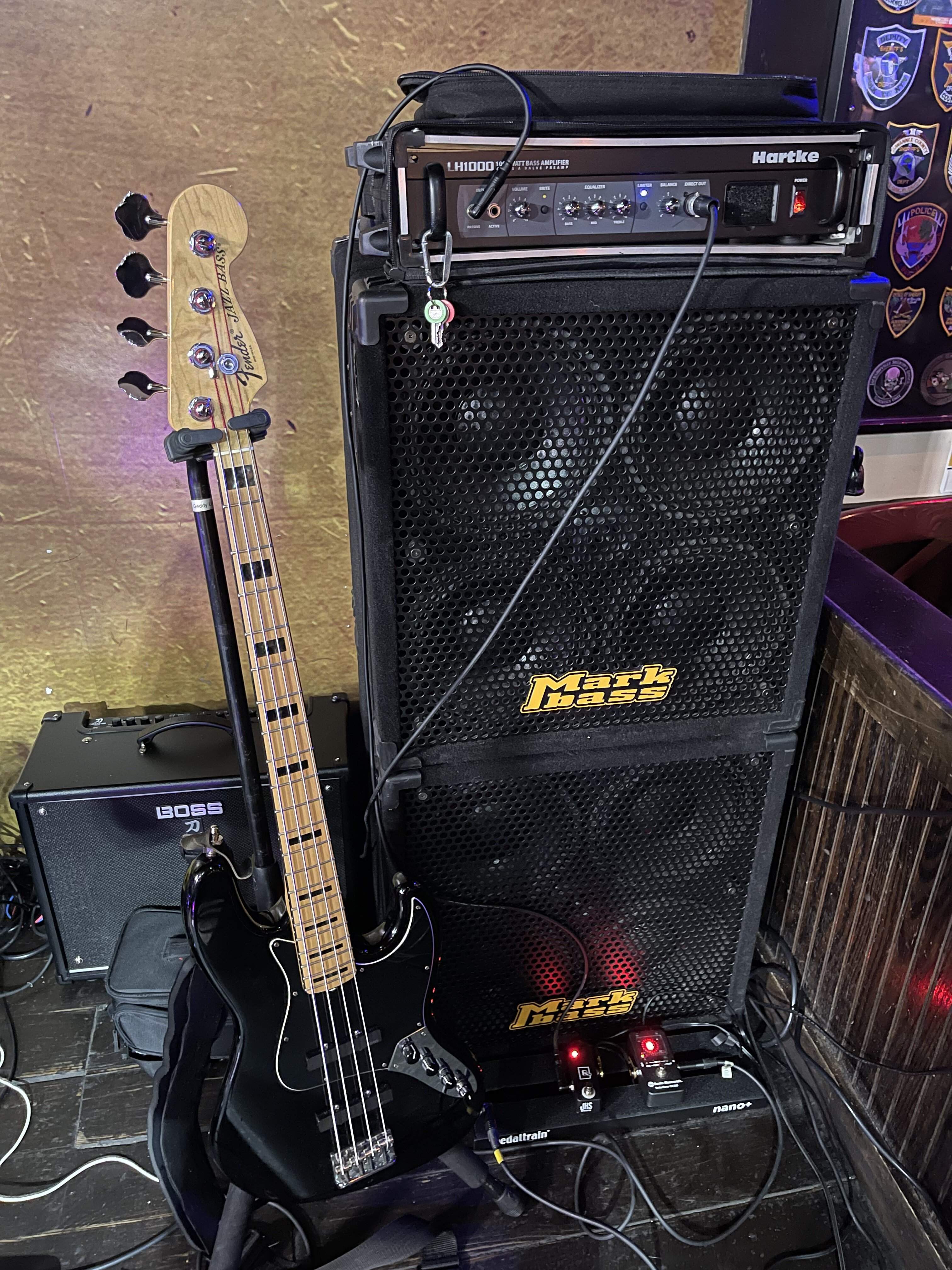
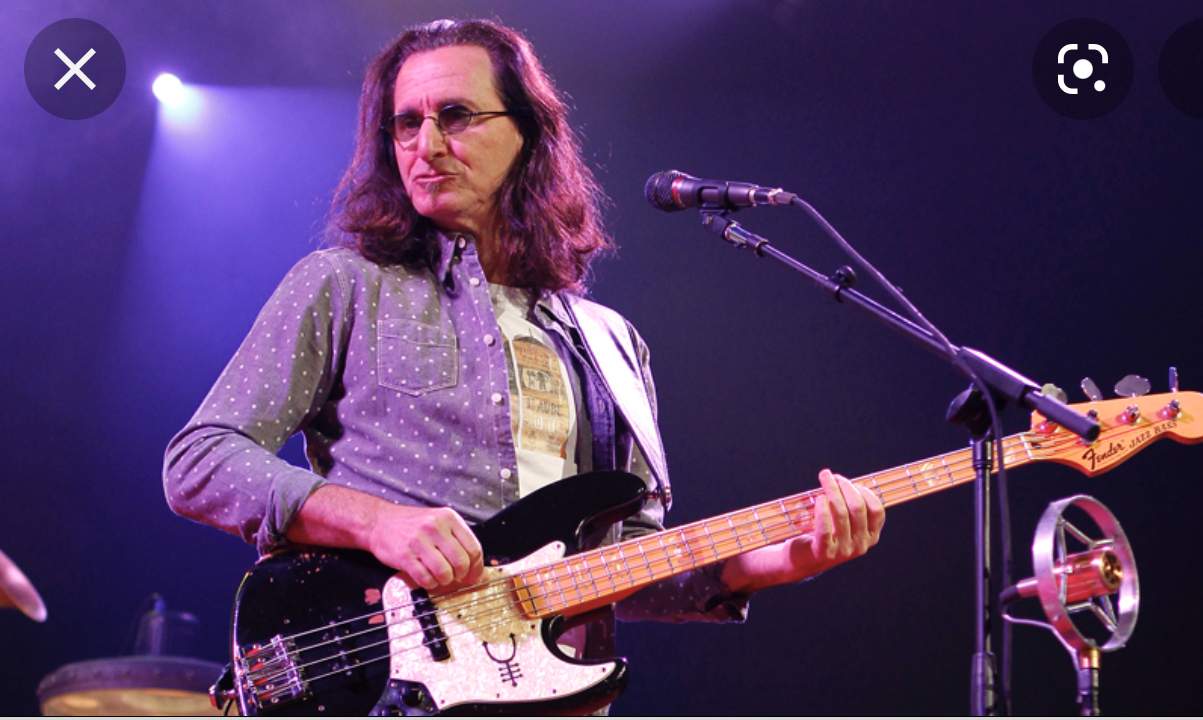
Next, getting the low end to penentrate the chests of the people in the back of the room requires a ton of power, but, you need to avoid being overwhelming in the mix and to those up front. What to do? Well, you need plenty of power for the low end. Robust PA, plenty of amp-speaker surface area (I like 8 speakers) but then you need to back off the mids. That's right, you're not looking for an in your face sound or step on the guitarist or singers. You're going 'underground'. Turn everything up, cut the mids a bit from your normal setting and play softly and towards the middle of the strings(see the pic with me above and pic of Geddy below who often played towards the neck).
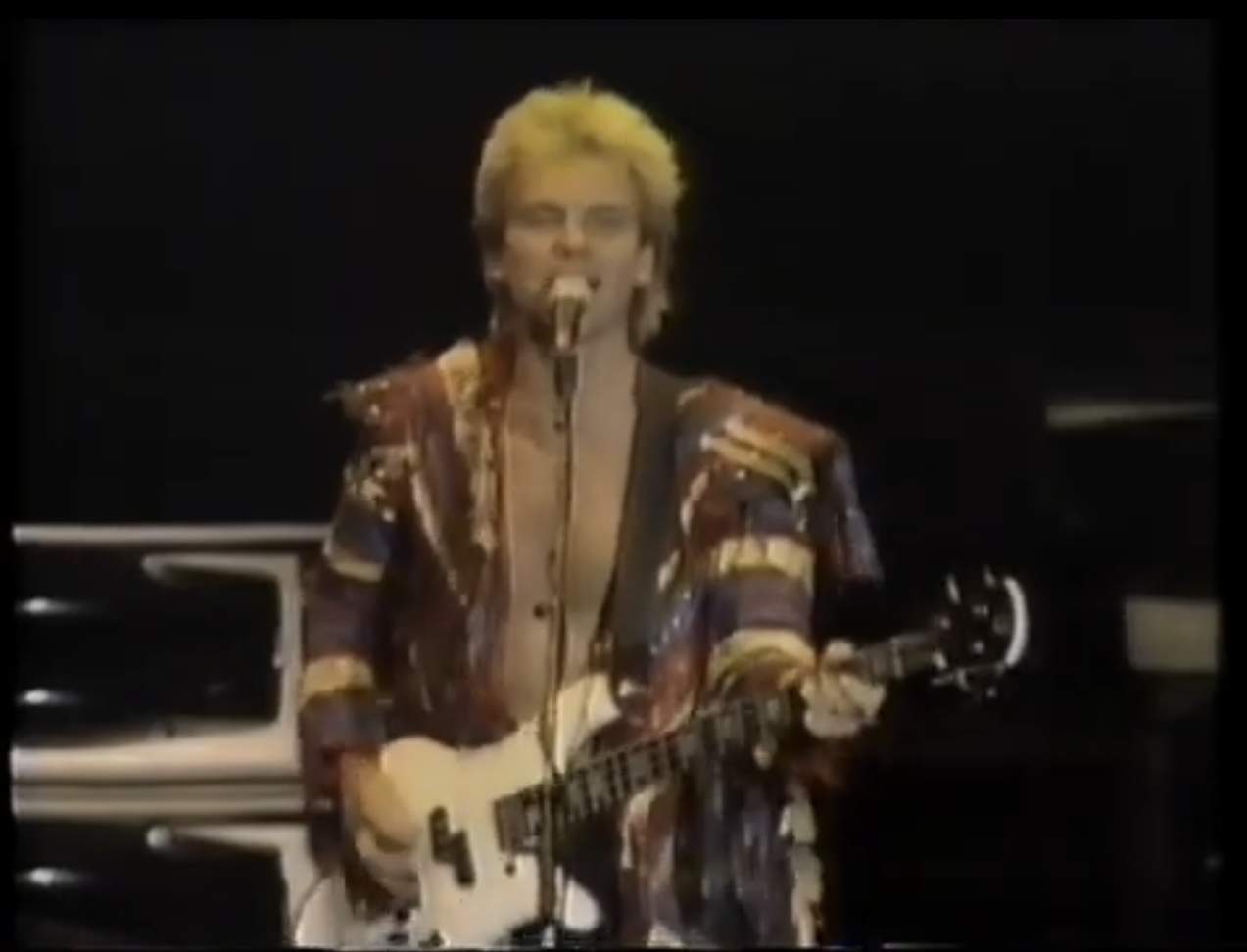
The power is coming from then PA and amp. It's your job to put all that high-end gear to good use by setting it loose with low end transients that push the amps hard. In other words, you are going to push every available watt the sound system was designed to give. You'll want to do this across the frequency spectrum without over pushing the mids. Don't get me wrong here, you'll still have plenty of mids and highs, it's just that you will fill up the low end. I learned this from trial and error and also watching some of my favorite bassists live, Sting(Synchronicity tour - not earlier when he was still learning), Geddy Lee, Ethan Farmer, and watching how soft and articulate they played. I saw that Police tour live, he used a PA system on stage for his amp and the way he played created a wall of sound you didn't see coming - and it was fun.
Realistically, there's lots of great bass tones out there. What I'm describing here is how to create that 'wall of sound' effect. Enjoy
Well, you need oogles of power and volume but there's a bit more to it if you don't want to lose the gig. First off, taking your typical 100-1000 watt amp for a ride is a different game when is being fortified with a 5,000 to 50,000 watt PA. Here's some tricks. First off, you're going after low end transients and they'll swallow up everything audibly on stage so if at all possible use in-ears so you can have some clarity. Additionally, ditch as many pedals as possible unless they are absolutely critical to your sound. A strong clear signal will help you hear and will remove some of the mixing complexity for the sound guy. I knew this gig (middle 2 pics) was going to be a low end nightmare on stage because it's a very loud event and the close walls harness the lows.
To counter it, I went with just a tuner and mute switch - anything else would have gotten buried in the mush and just dulled the signal chain. Definitely helps to have a bass with an active pre-amp the you can nudge up the low end and high end for an extra bit of clarity.
Next, getting the low end to penentrate the chests of the people in the back of the room requires a ton of power, but, you need to avoid being overwhelming in the mix and to those up front. What to do? Well, you need plenty of power for the low end. Robust PA, plenty of amp-speaker surface area (I like 8 speakers) but then you need to back off the mids. That's right, you're not looking for an in your face sound or step on the guitarist or singers. You're going 'underground'. Turn everything up, cut the mids a bit from your normal setting and play softly and towards the middle of the strings(see the pic with me above and pic of Geddy below who often played towards the neck).
The power is coming from then PA and amp. It's your job to put all that high-end gear to good use by setting it loose with low end transients that push the amps hard. In other words, you are going to push every available watt the sound system was designed to give. You'll want to do this across the frequency spectrum without over pushing the mids. Don't get me wrong here, you'll still have plenty of mids and highs, it's just that you will fill up the low end. I learned this from trial and error and also watching some of my favorite bassists live, Sting(Synchronicity tour - not earlier when he was still learning), Geddy Lee, Ethan Farmer, and watching how soft and articulate they played. I saw that Police tour live, he used a PA system on stage for his amp and the way he played created a wall of sound you didn't see coming - and it was fun.
Realistically, there's lots of great bass tones out there. What I'm describing here is how to create that 'wall of sound' effect. Enjoy
Last edited:



 :
: