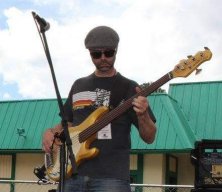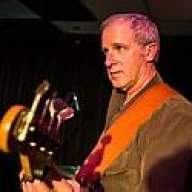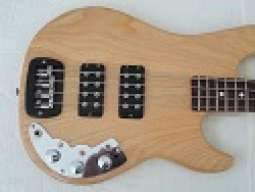
I’ve been playing (electric) bass for over forty years and am primarily a cover band person, so typically have had little need to read notated scores. But I decided to set out to learn to read bass clef fluently, to see where it would take my playing. Having now spent a couple of years slugging it out reading difficult bass transcriptions (along with a metronome - absolutely essential, or it’s a waste of time), my awareness and execution of timing on sixteenth notes and syncopations is so much more refined than before, with innumerable benefits to my playing.
To be fair, I had learned to read treble clef as a little kid when I had a few years of classical guitar lessons, but hadn’t used that skill in decades. Even with whatever benefit that had, reading bass clef, with all the different rhythmic combinations, is an entirely different beast. I think there are enough online resources out there to get anyone who’s an experienced player started on reading, but a few lessons could be helpful if you’re not self-motivated enough to want to undertake something like this.
I spent many hours with the Jamerson (Standing in the Shadows) and other transcriptions, as well as various exercise books (many without tabs, which is actually better for this) along with a metronome (Tempo app), and this has tuned my ear and rhythmic recognition so that I am now hearing recordings and playing them back with an entirely new level of accuracy. This accuracy can be the make or break between playing your part in a way that either pops or fizzles, say on the main motif of a funky song.
I also find that my ability to invent my own creative funky and rhythmically interesting bass lines is much improved. I think this is in part because all the different possible rhythmic combinations are now burned into my brain, and come out naturally as part of my musical thought process.
Many of the Jamerson transcriptions in that book book are in keys like Eb, Ab, Db, Gb and learning to fight through sight reading these will improve your overall fretboard knowledge, as well as your comfort level playing songs in keys like that. Again, these are things that will benefit you even when you are learning a song strictly from a recording.
I could go on and on, but all the time I’ve invested in this has totally re-invigorated my joy of playing and learning. I’m in my 60’s, so you’re never too old to improve. Hopefully I’ve inspired someone else to do likewise. Thanks for reading!
To be fair, I had learned to read treble clef as a little kid when I had a few years of classical guitar lessons, but hadn’t used that skill in decades. Even with whatever benefit that had, reading bass clef, with all the different rhythmic combinations, is an entirely different beast. I think there are enough online resources out there to get anyone who’s an experienced player started on reading, but a few lessons could be helpful if you’re not self-motivated enough to want to undertake something like this.
I spent many hours with the Jamerson (Standing in the Shadows) and other transcriptions, as well as various exercise books (many without tabs, which is actually better for this) along with a metronome (Tempo app), and this has tuned my ear and rhythmic recognition so that I am now hearing recordings and playing them back with an entirely new level of accuracy. This accuracy can be the make or break between playing your part in a way that either pops or fizzles, say on the main motif of a funky song.
I also find that my ability to invent my own creative funky and rhythmically interesting bass lines is much improved. I think this is in part because all the different possible rhythmic combinations are now burned into my brain, and come out naturally as part of my musical thought process.
Many of the Jamerson transcriptions in that book book are in keys like Eb, Ab, Db, Gb and learning to fight through sight reading these will improve your overall fretboard knowledge, as well as your comfort level playing songs in keys like that. Again, these are things that will benefit you even when you are learning a song strictly from a recording.
I could go on and on, but all the time I’ve invested in this has totally re-invigorated my joy of playing and learning. I’m in my 60’s, so you’re never too old to improve. Hopefully I’ve inspired someone else to do likewise. Thanks for reading!