• TalkBass has been independent since 1998. Add your voice.
    Create a free account to reply to discussions, view embedded media, and browse with fewer display ads.
    Join freeLog in
    Want zero display ads or expanded classifieds tools? Compare plans.

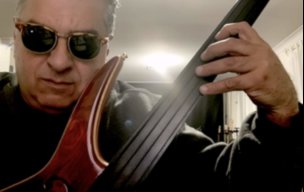
Is this rosewood?

The most common "rosewood" on most necks is what we now call East Indian Rosewood. From the picture of the heel of the fingerboard, to my (granted - progressive bifocals) eyes, it looks consistent.

OP - BTW - is there any reason you aren't showing us the headstock? The maker, model, and year can help us cross-reference who made what with which wood for the fingerboard.
 
  • Like
Reactions: B-Mac
The most common "rosewood" on most necks is what we now call East Indian Rosewood. From the picture of the heel of the fingerboard, to my (granted - progressive bifocals) eyes, it looks consistent.

OP - BTW - is there any reason you aren't showing us the headstock? The maker, model, and year can help us cross-reference who made what with which wood for the fingerboard.

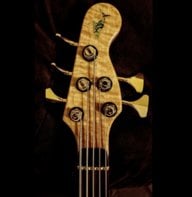
Just couldn’t fit in my camera view here is the headstock!
 
The most common "rosewood" on most necks is what we now call East Indian Rosewood. From the picture of the heel of the fingerboard, to my (granted - progressive bifocals) eyes, it looks consistent.

OP - BTW - is there any reason you aren't showing us the headstock? The maker, model, and year can help us cross-reference who made what with which wood for the fingerboard.
 

Attachments

  • image.jpg
    image.jpg
    546.4 KB · Views: 51
Is this rosewood? I’m having trouble finding out!
View attachment 4371310
Of my 104 basses I only have one that has a Pao Ferro FB. Your FB definitely looks like RR and 15 years old it more than likely is. My PF FB is definitely lighter in color and of 2018 vintage, so again IMHO and limited experience with PF FB I believe very strongly that your FB is RR
 
OP looks like Pau Ferro to me, which is technically not a rosewood (it is in the Machaerium family, whereas "true" rosewoods are in the Dalbergia family).
Pau Ferro is a wonderful material and has excellent properties as a fretboard material - it is one of my favorites for fretless basses.
 
  • Like
Reactions: fishdreams
A lot of rosewood necks are dyed because people seem to thing that a dark fretboard with no color variation is a good thing. Ebony is similar - many black fretboards made of ebony have dye on them. I find that boring. Your fretboard is likely rosewood (there are a bunch of trees that are called rosewood, including Pau Ferro), and hasn't been dyed. I think that's a good thing.

Some folks avoid Pau Ferro because it's pale and streaky. I had this fretboard put on a neck because its pale and streaky - it doesn't look like rosewood. I paid extra for pale and streaky:

Richter.jpg


Don't spend time staring at your bass, worrying about what species the wood is. Play the damn thing!
 
I'll go with Indian Rosewood, before the CITES restrictions Fender used to use it. I have some good Indian Rosewood fretboard blanks that have been racked up for at least 25 years, some are darker than your board, but some have streaks as light as that running through them. It's wood, so it's variable, but as long as lighter coloring isn't due to it being softer new outer growth, which yours is not, then no problems.

Regardless, your fretboard looks to be reasonably tight and strait grained and is quite attractive.
 
  • Like
Reactions: Reedt2000
I was thinking Pao Ferro until I saw it was Fender. I’ve seen other brands make awesome Pao Ferro fretboards but the texture of the ones I have played from Fender kinda gross me out… I do really like the look of the wood on your neck and would put money down it’s “rosewood”