
Ok gang. Time for another wood test! 
The last time I tested necks, I compared fretboard woods. Here is the thread (which unfortunately got locked): http://www.talkbass.com/forum/f8/can-you-tell-difference-maple-vs-rosewood-738762/
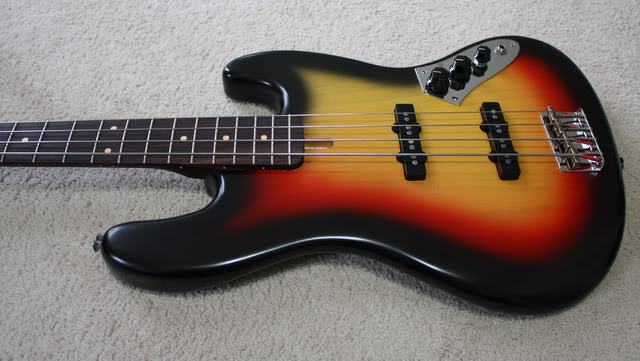
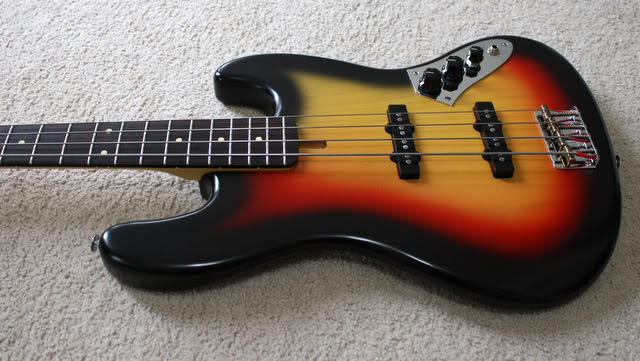
This time I'm doing the opposite. I'm testing 2 necks from USACG, both with the exact same specs, except one is maple/rosewood and the other is ALL rosewood. So the fretboard wood is the same, but the core neck wood is different.
Maple and Rosewood are on opposite ends of the "tone spectrum", according to conventional wisdom. So the all rosewood neck should sound warmer than the neck with a maple back.
Now, to my ears, there is a subtle difference. I can hear it (using quality headphones or quality studio monitors). But I have no doubt this difference would be completely lost in a band setting. It would take Superman to identify the necks in a mix.
Anyway, without further ado, here are the clips! (They are uncompressed raw WAV files, by the way.)
NECK 1
Both pickups: http://atkinsonbasses.com/storage/tests/Neck1both.wav
Neck pickup: http://atkinsonbasses.com/storage/tests/Neck1neck.wav
Bridge pickup: http://atkinsonbasses.com/storage/tests/Neck1bridge.wav
NECK 2
Both pickups: http://atkinsonbasses.com/storage/tests/Neck2both.wav
Neck pickup: http://atkinsonbasses.com/storage/tests/Neck2neck.wav
Bridge pickup: http://atkinsonbasses.com/storage/tests/Neck2bridge.wav
Please vote for your pick! And please folks, let's try to keep this civil. I'd appreciate it if we could keep mud slinging and angry rants out of this thread.
The last time I tested necks, I compared fretboard woods. Here is the thread (which unfortunately got locked): http://www.talkbass.com/forum/f8/can-you-tell-difference-maple-vs-rosewood-738762/
This time I'm doing the opposite. I'm testing 2 necks from USACG, both with the exact same specs, except one is maple/rosewood and the other is ALL rosewood. So the fretboard wood is the same, but the core neck wood is different.
Maple and Rosewood are on opposite ends of the "tone spectrum", according to conventional wisdom. So the all rosewood neck should sound warmer than the neck with a maple back.
Now, to my ears, there is a subtle difference. I can hear it (using quality headphones or quality studio monitors). But I have no doubt this difference would be completely lost in a band setting. It would take Superman to identify the necks in a mix.
Anyway, without further ado, here are the clips! (They are uncompressed raw WAV files, by the way.)
NECK 1
Both pickups: http://atkinsonbasses.com/storage/tests/Neck1both.wav
Neck pickup: http://atkinsonbasses.com/storage/tests/Neck1neck.wav
Bridge pickup: http://atkinsonbasses.com/storage/tests/Neck1bridge.wav
NECK 2
Both pickups: http://atkinsonbasses.com/storage/tests/Neck2both.wav
Neck pickup: http://atkinsonbasses.com/storage/tests/Neck2neck.wav
Bridge pickup: http://atkinsonbasses.com/storage/tests/Neck2bridge.wav
Please vote for your pick! And please folks, let's try to keep this civil. I'd appreciate it if we could keep mud slinging and angry rants out of this thread.




 How is this different from... "The last time I tested necks, I compared fretboard woods" ???