I have a 35" scale bass with 45/65/85/105 gauge strings and I like the string tension. What gauge strings do I need to get the same tension on a 34" scale bass?

Enjoy the benefits of a premium membership!
Upgrade Account
-
TalkBass has been independent since 1998. Add your voice.
Create a free account to reply to discussions, view embedded media, and browse with fewer display ads.
Join free Log in
Want zero display ads or expanded classifieds tools? Compare plans.
You are using an out of date browser. It may not display this or other websites correctly.
You should upgrade or use an alternative browser.
You should upgrade or use an alternative browser.
Math Problem
- Thread starter Tom Brogan
- Start date
More options
Who Replied?


Since you lose an inch going from 35 to 34, but the sting tension in ft/lbs at pitch is the same if the exact same strings are used, the shorter scale will feel less pliable (more tension) because there is less free string between the anchored ends to swing to and fro when plucked.
Tension doesn't change. Pliability changes which in reality means you are restricting potential string maximum amplitude by dropping length. If the exact string is used in both applications that is.
Tension doesn't change. Pliability changes which in reality means you are restricting potential string maximum amplitude by dropping length. If the exact string is used in both applications that is.

Hopkins
Commercial User
Since you lose an inch going from 35 to 34, but the sting tension in ft/lbs at pitch is the same if the exact same strings are used, the shorter scale will feel less pliable (more tension) because there is less free string between the anchored ends to swing to and fro when plucked.
Tension doesn't change. Pliability changes which in reality means you are restricting potential string maximum amplitude by dropping length. If the exact string is used in both applications that is.
This is incorrect.
It takes less tension to tune identical strings to pitch the shorter the scale length gets. Strings will feel floppier on a shorter scale than they will on a longer scale.

Tension varies as the square of the scale length. So compared to a 34 inch scale, which is the standard for most published tension specs, the difference in tension on a 35 inch scale is 35^2/34^2, or @ 1.0597. So you need to consult a tension chart to see what strings for the given scale length have 6% more tension than the 45 set when strung on a 34 inch scale bass.
So, for example, If you were playing a GHS 44 Super Steel as a G string on your 35 inch scale bass, you would need a string that has 6% more tension when strung on the 34 inch scale bass. The rated tension for a GHS 44 Super Steel at G pitch on a 34 inch bass is about 44.3 pounds. This means the same string at the same pitch on a 35 inch scale bass has a tension of 35^2/34^2 X 44.3, or 46.9 pounds of tension. The closest string to get the same or similar tension on a 34 inch scale bass is a GHS 46 Super Steel, which has 46.3 pounds of tension. This is at the limit of perceivable differences in tension - only two thou difference in string diameter.
Likewise, a GHS 102 Super Steel as an E string has 40.8 pounds of tension at 34 inch scale, or about 43.2 pounds tension at 35 inch scale. So on a 34 inch scale, the closest match is a GHS 106 Super Steel which as 43.6 pounds at 34 inch scale - only four thou difference in string diameter.
Notice all of these figures result in tension that is less of a difference than simply going up a standard 5 thou string diameter. So reflexively just putting on a set on the 34 inch scale bass where every string is 5 thou up compared to the 35 inch scale bass will create more tension overall than on the 35 inch scale, and will make the 34 inch bass feel stiff by comparison.
CircleK strings have the smaller increments from string-to-string, and they publish a comprehensive tension chart. To get as close as possible in tension between the two basses, you might have to use these strings.
Bottom line: putting the same set of strings on both basses may not be noticeable, or if it is, may be preferable with the slightly softer feel. Feel is a totally different concept than tension, and may be affected by core type and core to wrap ratio, so that the feel may or may not be the same, even though the tension for purposes of setting the truss rod may be the same.
So, for example, If you were playing a GHS 44 Super Steel as a G string on your 35 inch scale bass, you would need a string that has 6% more tension when strung on the 34 inch scale bass. The rated tension for a GHS 44 Super Steel at G pitch on a 34 inch bass is about 44.3 pounds. This means the same string at the same pitch on a 35 inch scale bass has a tension of 35^2/34^2 X 44.3, or 46.9 pounds of tension. The closest string to get the same or similar tension on a 34 inch scale bass is a GHS 46 Super Steel, which has 46.3 pounds of tension. This is at the limit of perceivable differences in tension - only two thou difference in string diameter.
Likewise, a GHS 102 Super Steel as an E string has 40.8 pounds of tension at 34 inch scale, or about 43.2 pounds tension at 35 inch scale. So on a 34 inch scale, the closest match is a GHS 106 Super Steel which as 43.6 pounds at 34 inch scale - only four thou difference in string diameter.
Notice all of these figures result in tension that is less of a difference than simply going up a standard 5 thou string diameter. So reflexively just putting on a set on the 34 inch scale bass where every string is 5 thou up compared to the 35 inch scale bass will create more tension overall than on the 35 inch scale, and will make the 34 inch bass feel stiff by comparison.
CircleK strings have the smaller increments from string-to-string, and they publish a comprehensive tension chart. To get as close as possible in tension between the two basses, you might have to use these strings.
Bottom line: putting the same set of strings on both basses may not be noticeable, or if it is, may be preferable with the slightly softer feel. Feel is a totally different concept than tension, and may be affected by core type and core to wrap ratio, so that the feel may or may not be the same, even though the tension for purposes of setting the truss rod may be the same.
Last edited:
Yes, it does. As stated in my above post, and in the manufacturers' string guides, tension varies as the square of the scale length. What you may be referring to is feel, which is a completely different concept.Since you lose an inch going from 35 to 34, but the sting tension in ft/lbs at pitch is the same if the exact same strings are used, the shorter scale will feel less pliable (more tension) because there is less free string between the anchored ends to swing to and fro when plucked.
Tension doesn't change. Pliability changes which in reality means you are restricting potential string maximum amplitude by dropping length. If the exact string is used in both applications that is.

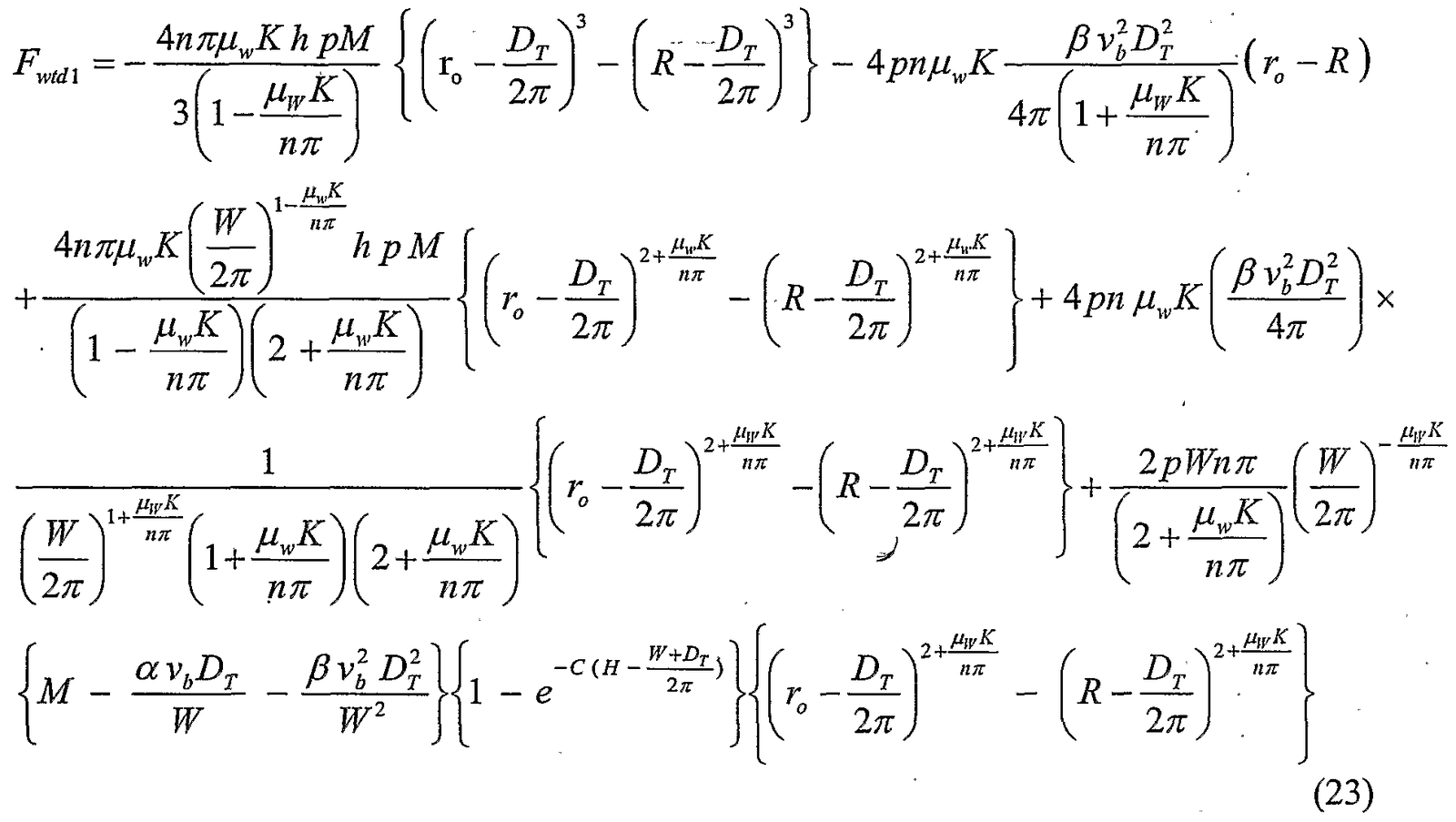
Looks complicated enough to work!I've been working on this for awhile. . . Apply this:
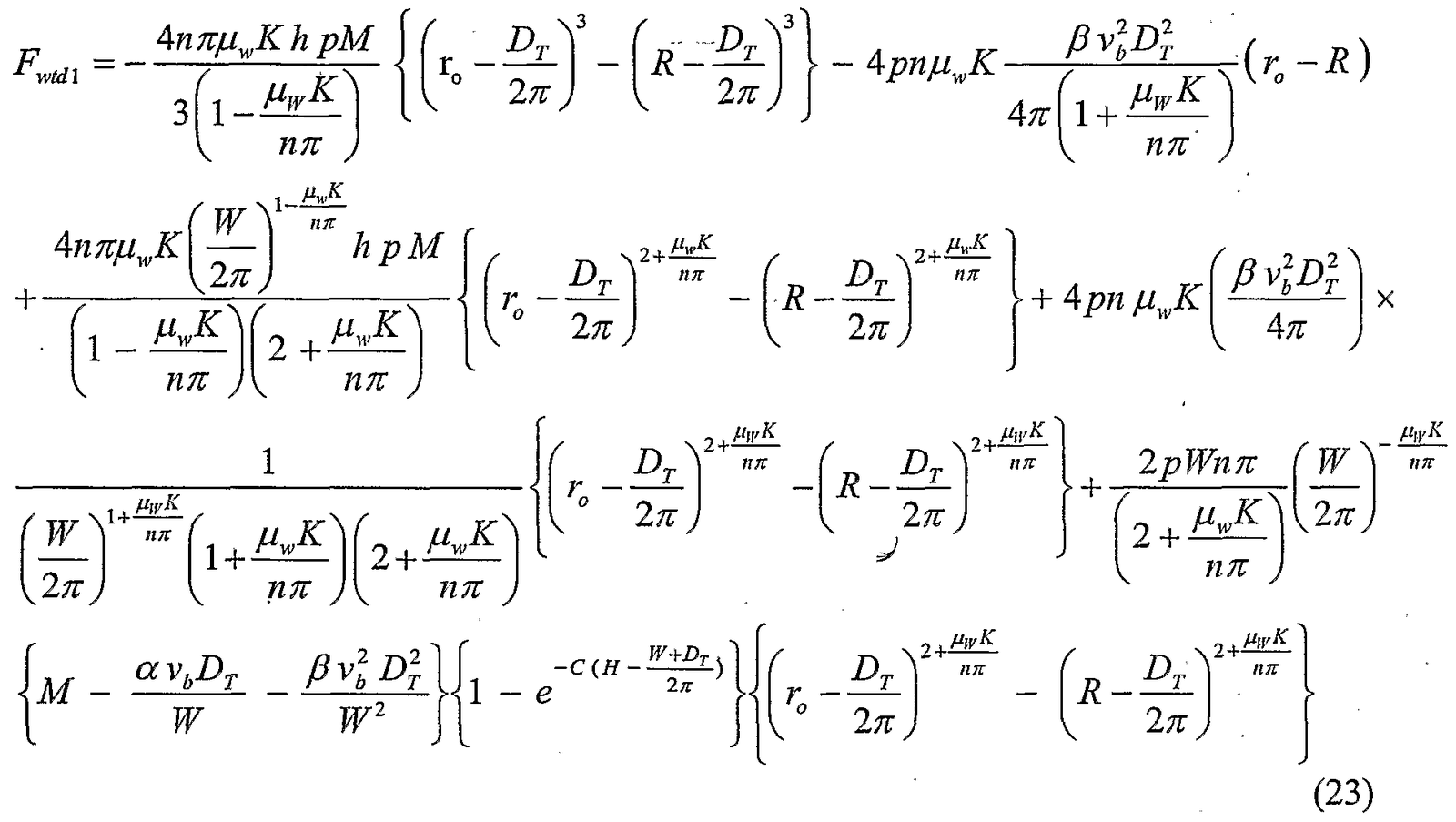


man, you know that with no empirically derived value for mu w that the whole equation is useless

Smooth_bass88
vaxx!
- Oct 31, 2006
- 12,122
- 16,796
- Disclosures
- have been on nationally released albums, charting on the Billboard 200
I've been working on this for awhile. . . Apply this:
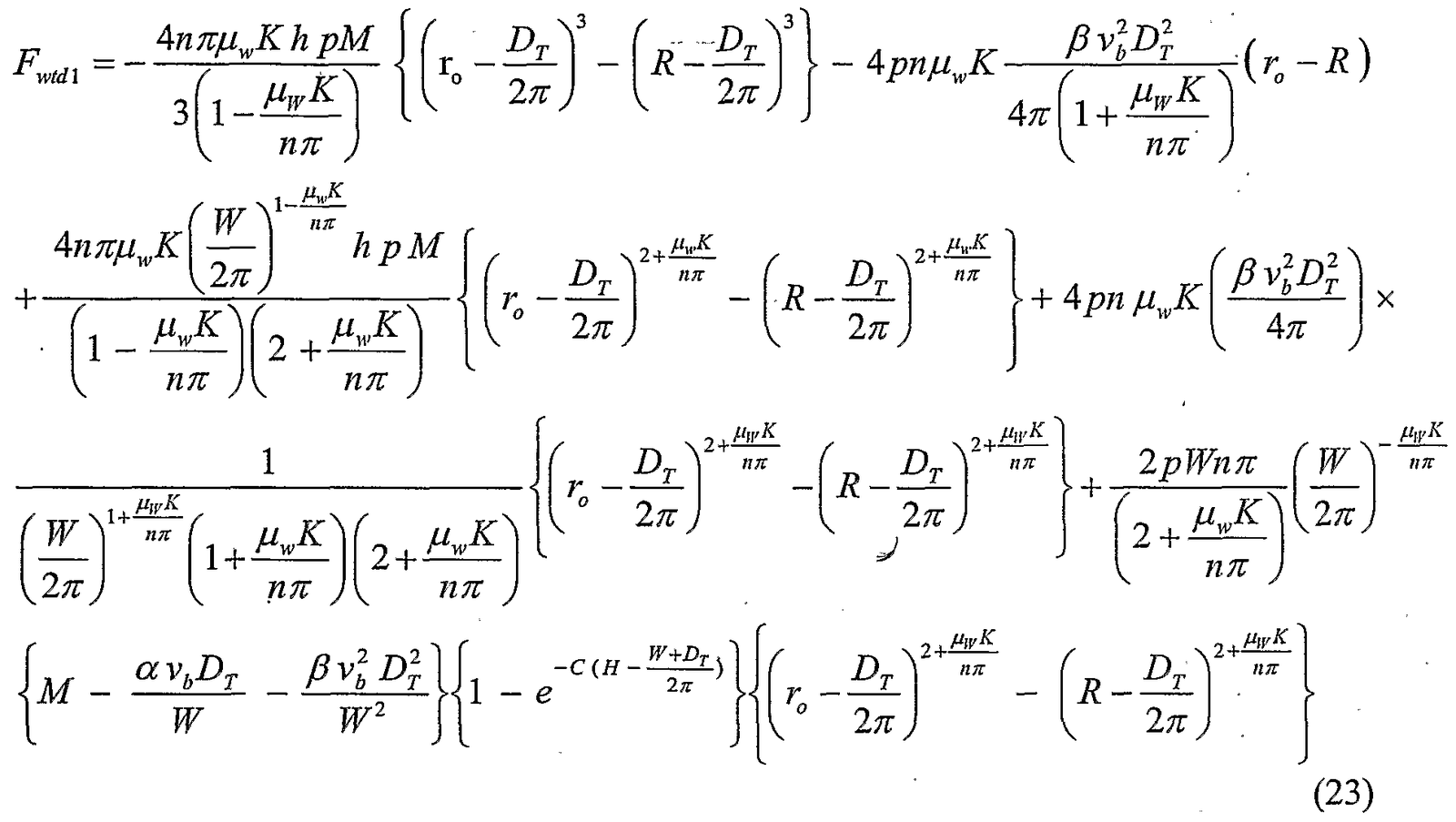
Wasn't sure if I should 'like' this or 'report' this. Ended up liking it.
I've been working on this for awhile. . . Apply this:
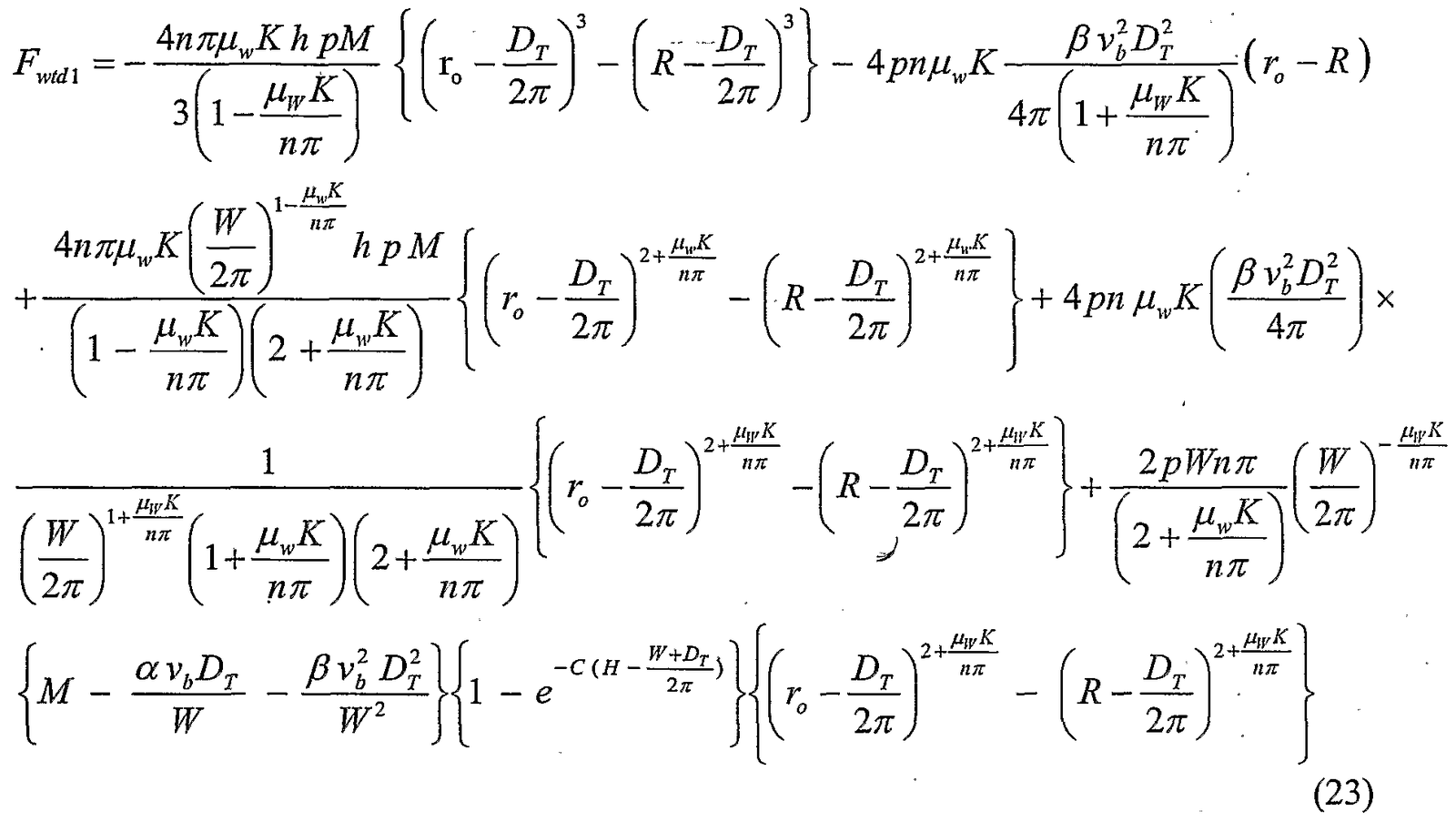
lefty007. You have apparently posted this in the wrong thread.
I believe you actually intended to post it here: http://www.talkbass.com/threads/mrs-smiths-kids.1118325/
as the solution to the question of the probability of the gender of Mrs. Smiths children.
Rocket appliances!I've been working on this for awhile. . . Apply this:
Ok you're definitely right. We are talking 1". What is 1" squared?..... 1"Yes, it does. As stated in my above post, and in the manufacturers' string guides, tension varies as the square of the scale length. What you may be referring to is feel, which is a completely different concept.
One.
So is the tension affected? How many pounds? One x what = lbs?
Please fill in the blanks. I'm curious now.
Or do they mean 34 x 34 vs. 35 x 35? That's a difference of 89. 89 what?
No wonder I didn't become an engineer.


According to Mersenne's law, fundamental frequency equals sqrt(tension/linear mass density) / (2 x length).
So, to keep the tension the same, length x sqrt(linear mass density) ~ length x gauge should be kept constant. The difference between 34" and 35" is about 3%:
>>> [round(i*35./34., 1) for i in (45, 65, 85, 105)]
[46.3, 66.9, 87.5, 108.1]
So, to keep the tension the same, length x sqrt(linear mass density) ~ length x gauge should be kept constant. The difference between 34" and 35" is about 3%:
>>> [round(i*35./34., 1) for i in (45, 65, 85, 105)]
[46.3, 66.9, 87.5, 108.1]

Not really. At a shorter scale, it takes more tension to reach the same pitch. That's usually why a higher tension string is used on a shorter scale.Since you lose an inch going from 35 to 34, but the sting tension in ft/lbs at pitch is the same if the exact same strings are used, the shorter scale will feel less pliable (more tension) because there is less free string between the anchored ends to swing to and fro when plucked.
Tension doesn't change. Pliability changes which in reality means you are restricting potential string maximum amplitude by dropping length. If the exact string is used in both applications that is.
You square the scale length, not the difference. -_-Ok you're definitely right. We are talking 1". What is 1" squared?..... 1"
One.
So is the tension affected? How many pounds? One x what = lbs?
Please fill in the blanks. I'm curious now.
Or do they mean 34 x 34 vs. 35 x 35? That's a difference of 89. 89 what?
No wonder I didn't become an engineer.
So the difference is 89. 89 what? -_-You square the scale length, not the difference. -_-
Doesn't matter as soktau said it's 3%
Last edited:
Stick_Player
Inactive
- Nov 13, 2009
- 4,149
- 937
- Disclosures
- Endorser: Plants vs. Zombies Pea Shooters
I explained the math in my initial post.Ok you're definitely right. We are talking 1". What is 1" squared?..... 1"
One.
So is the tension affected? How many pounds? One x what = lbs?
Please fill in the blanks. I'm curious now.
Or do they mean 34 x 34 vs. 35 x 35? That's a difference of 89. 89 what?
No wonder I didn't become an engineer.


