For the benefit of the readers here, I'll use Randall Smith's own article to show why bias adjustments are necessary:
originally written by Randall Smith
The short answer is that during my 12 years of repairing Fenders, one of the most frequent problems I saw was bias controls that were either set wrong or that had wandered out of adjustment due to vibration.
Vibration and user error is NOT the fault of the circuit. While this may justify making the control more inaccessable, it in no way demostrates a need to do away with it. Yes you can severely damage an amp by improperly setting up its bias; you can also achieve the same result from load mismatches, faulty power, incorrect connections, and dropping it.
As any honest tech will tell you, there's lot's of easy money to be made by sprinkling "holy water" on amplifiers ... uh, what I meant to say is "Your amp needed biasing."
Maybe things are different in California, but it's hard enough to get most people to pay legitimate repair charges even when they are performed for FAR less than they should be.[sarcasm] Sure, there are whole legions of techs who simply steal money from their clients.[/sarcasm] I got OUT of repairs because there is no money in it and I was tired of the hassle of deadbeats. A bias job was charged a bench fee, just like any other service that required my expertise and test equipment.
Now don't be fooled into thinking that tubes "draw" more or less bias, they don't.
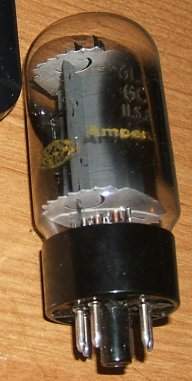
This is an outright lie. Not only do the same types of tubes bias to different voltages in a circuit, but the SAME tubes draw different amounts of bias current as they age. Cheap tubes are worse than good ones about it. Nobody's "fooling" anyone. Read the RCA Receiving Tube Manual sometime. It's where Leo Fender got most of his amp designs.
It's a static voltage and regardless of what tube is in the socket -- or even if the tubes aren't plugged in at all, it doesn't change the bias voltage a bit.
Here he backpeddles and tries to specify VOLTAGE as opposed to current, but even this is still wrong.
I (current in amperes)= E (electric potential in voltage)/ R (resistance in ohms)
Measure bias voltage without a tube present vs with one. The draw of the tube WILL lower the voltage because the bias supply attempts to maintain constant current and the impedance of the bias circuit has changed due to the presence of the tube.
So the end of the short answer is this: Since a bias supply needs to put out the right voltage and never vary.
That's a scary thought. How do you account for the differences in tube construction that result in different internal impedances then? Oh yeah, you have to buy HIS tubes, 'cause they're "special."

Now you might be thinking, "But I thought you just said that tubes don't "draw" bias, therefore they don't effect the bias supply and thus it doesn't need to be adjustable."
And that's right. Tubes don't effect the bias setting, but the bias setting does effect how the tubes work. But HOW it effects the tubes is difficult to measure.
Here, he even admits what I've been asserting! And as far as being "difficult to measure" that's another lie. All you need is an oscilliscope, a voltage meter, and a test tone and you will have quantifiable measurements which show EXACTLY the effects of changing bias current. Matter of fact, that's the proper procedure for SETTING bias!
...There's more, but that should give you a good idea.