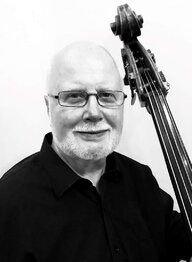
I've found that a practice routine is pretty personalized. My practice routine has changed quite a bit the last few years, all depending on what goals are an what I'm working on.
The first and most valuable thing I recommend you do before establishing a routine is to establish goals. Establish goals for the week, the month, the semester, the year, two years, five years, general life goals, etc....Write them down. These goals can range from anything you can think of that you would like to accomplish - anything from technical and musical development to obtaining better equipment. Challenge yourself. Keep your standards high.
After you establish your goals, come up with a routine that reflects these goals. I can't really give you a detailed practice routine because my goals, issues, and playing level are different than yours, as well as anyone else's. Divide up your routine into practice sessions. However, for what it's worth, here's my current general routine. This routine reflects my goals as a high school student in the middle of college auditions and I'm planning on doing the ISB 15-18 yr old solo division competition this summer:
Session 1) Scales and arpeggios (different key each week, varried rhythms, bowings, etc.) and Hal Robinson's Strokin book
2) Mock college audition
3) After reviewing a recording of my mock audition, I work on issues that I notice or feel that I need to address
4) ISB solo repertoire
I usually do anywhere between 3-6 hours a day depending on my schedule that day, how much work I need to get done, etc.
My practice routine from a year and half ago, as a high school student working to build a strong foundation, was mostly scales, arpeggios, and a Rabbath etude per week, and a concerto.
Experiment. See what works for you. Putting in the hours alone won't do it - It's not just about working hard, but working right. Sorry for the long response, this is just a subject that I've become very interested in.
Gook luck and happy practicing