• TalkBass has been independent since 1998. Add your voice.
    Create a free account to reply to discussions, view embedded media, and browse with fewer display ads.
    Join freeLog in
    Want zero display ads or expanded classifieds tools? Compare plans.

ready, set, NOOOoooOOOOooOO

thanks, i think i'll use the woodglue first and than nail it in after (or during) the gluing process.

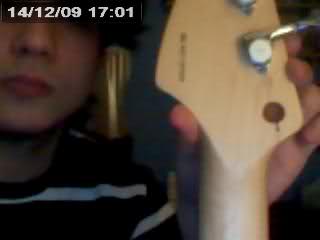
i have a new concern though! i took out my chip and placed it on the crack and it's not quite flush! most of it is , but there is one area that is thick enough to maybe fit a toothpick/paperclip in. i took some pictures.
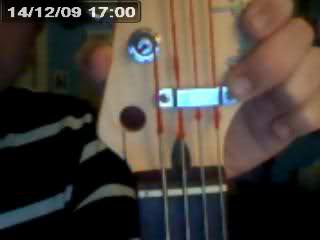
4t1swm.jpg
mmsr6h.jpg


the second picture shows the small hole that was left from the screw coming out as well. i'm concerned about rescrewing , as it's right behind this good sized crack. ideas?

 
Hide glue . . . has relatively poor longevity. . . .

I would guess that those violins that have been together for 400 years will likely far apart any second!!! :)

I would use regular old Tite Bond wood glue. I would NOT nail it. If you have the tools and just can't trust the glue, you might consider drilling no more than TWO pilot holes with a counter-sinking bit and driving a couple of screws. You can then fill over the tops with wood filler. If it were me, I'd just trust the glue. The way it broke, there is not going to be a lot of strain against the break anyway.

Don't worry about the chips, just fill those in with wood filler as well. Just make sure to use non-shrinking. Once dry, re-drill a pilot hole for the tuner screw with a small bit and you are good.

And yes, I would remove all the other tuners and the string trees just to see that I could clamp it without anything being in the way. Also, you want a good,firm clamp but don't crank it down super tight. You don't want all of the glue to squeeze out when you clamp it. Be sure to wipe off any squeeze out with a wet cloth before it dries.
 
Use Titebond. It creates a strong glue joint BUT can be released with heat. If the repair doesn't turn out well, having the ability to undo the repair and try again may be critical. Under no circumstances would I use Gorilla Glue, epoxy, super glue or anything that that might be impossible to separate and remove from the contact surfaces if the pieces slip.

A properly glued wood joint is stronger than the wood around it. IMO you don't actually need pins, screws, dowels or anything else. However, IF you can clamp that piece and headstock in a perfect relationship and drill for one dowel, it would be a plus.

NO NAILS. It's impossible to drive a nail into wood configured like this and NOT move the glue joint. That is an incredibly BAD idea.

Actually, this is something that I'd just take to a luthier if I didn't have faith in my ability to do it right the first time.
 
Use Titebond. It creates a strong glue joint BUT can be released with heat. If the repair doesn't turn out well, having the ability to undo the repair and try again may be critical. Under no circumstances would I use Gorilla Glue, epoxy, super glue or anything that that might be impossible to separate and remove from the contact surfaces if the pieces slip.

That is a good point. Titebond will actually let you fix an oops. Now that I think about it, listen to Pilgrim. :)

You might want to ask a local luthier how much it would cost to have this professionally repaired. I can't imagine that it would be outrageous, especially since it looks like a relatively clean break in the picture.
 
There is no mechanical advantage to using any kind of fastener to make this repair. There are, however, many reasons not to do it, starting with decreased surface area for wood-glue-wood contact. As stated by many others, wood glue is the proper adhesive for this job. Yellow or white glue will work just fine.

This is not a difficult repair if you have some wood working skill and the right tools. The most important part of this job is creating shaped cauls that will allow the clamps (multiple) to have flat surfaces on which to exert their force perpendicular to the joint. It is also the most difficult part of the job. A relatively high degree of precision is required to get the angles right.

If you are not seriously handy, think a tool is a person who thinks bass is easy because it only has four strings, or have to look in more than two places to collect the tools and materials, take it to a pro.
 
There is no mechanical advantage to using any kind of fastener to make this repair. There are, however, many reasons not to do it, starting with decreased surface area for wood-glue-wood contact. As stated by many others, wood glue is the proper adhesive for this job. Yellow or white glue will work just fine.

This is not a difficult repair if you have some wood working skill and the right tools. The most important part of this job is creating shaped cauls that will allow the clamps (multiple) to have flat surfaces on which to exert their force perpendicular to the joint. It is also the most difficult part of the job. A relatively high degree of precision is required to get the angles right.

If you are not seriously handy, think a tool is a person who thinks bass is easy because it only has four strings, or have to look in more than two places to collect the tools and materials, take it to a pro.

my garage is full of tools that i should be able to get by with- i'm not a handyman but i think i know my way around the basics enough to be able to handle this.

i'm pretty much broke right now (and not really going to spend any money on myself right now .. holiday season)

if it doesn't work out, than i can try it again or buy a new neck- no big deal
 
Don't use nails to hold it together; use a clamp. Just get a good coating of wood glue on both pieces and clamp them together. Let it dry for as long as the manufacturer suggests. It'll never break there again. As far as the screw hole goes, you can fill the hole with glue and toothpick(s) after the first repair is done.
 
would they by chance fit a MIM Fender deluxe V ? :hmm:

I am assuming they would yes. All their necks are designed to be direct replacement for Fenders from what I understand. Reading up on their Deluxe 5 String Necks, the quote on the site reads "These necks are compatible with the late model Fender® Deluxe 5 Bass standards."

I've never had the pleasure of doing a Warmoth build, but I know a LOT of people around here have. I have emailed them with questions before, and they've always been fairly prompt to reply, and quite friendly. When in doubt, ask!
 
drill small holes, use dowels, and glue it all. If you cant clamp the living @%$#^& out of it as it dries, then drill small pilot holes and screw a scrap blard to the back of it to hold it otgether. You can potentially use the same holes, or some of them, as the tuning machines use. You can alternately pre-drill and use long thin screws through the side right through the glued crack.

Key thing is provide a nice surface to glue, use good glue, pre drill all holes, and clamp it together real well as it dries.

In terms of finish, I cant help as its beyond what I consider something I am any good at, but you shouldnt be able to see the crack from beyond couple yards.

IMO that is totally fixable
 
Skip the nails. Don't use Gorilla Glue or any other polyurethane glues. They will expand/foam up and make an ugly mess. Wood glue and clamps.

Good luck!

(Oops, didn't even see page 2!) Might want to use some rubbing alcohol to clean the joint up prior to gluing....
 

Latest posts