

Enjoy the benefits of a premium membership!
Upgrade Account
-
TalkBass has been independent since 1998. Add your voice.
Create a free account to reply to discussions, view embedded media, and browse with fewer display ads.
Join free Log in
Want zero display ads or expanded classifieds tools? Compare plans.
You are using an out of date browser. It may not display this or other websites correctly.
You should upgrade or use an alternative browser.
You should upgrade or use an alternative browser.
Rosewood fretboard - when and why?
- Thread starter ronlitz
- Start date
More options
Who Replied?
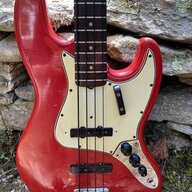
Not everyone liked the shiny lacquered feel of a solid maple neck.
While we today may appreciate a well worn , proven maple neck as having mojo, back in the day the wear may have seemed premature and unattractive.
The rosewood feels smoother , less drag, but most importantly, a rosewood fingerboard helps to stabilize the maple from twisting.
It was also a way to hide the truss rod cutout seam as far as cosmetics.
While we today may appreciate a well worn , proven maple neck as having mojo, back in the day the wear may have seemed premature and unattractive.
The rosewood feels smoother , less drag, but most importantly, a rosewood fingerboard helps to stabilize the maple from twisting.
It was also a way to hide the truss rod cutout seam as far as cosmetics.

It needs more corn and peanuts for the perfect tone.

Smooth_bass88
vaxx!
- Oct 31, 2006
- 12,122
- 16,796
- Disclosures
- have been on nationally released albums, charting on the Billboard 200
I like the rosewood on my Lakland because it reminds me of warm, moist chocolate buttercream.


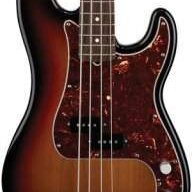
Of the most oft used woods I think rosewood has the greatest fluctuations in quality of appearance. I can't think of anything that looks worse than cheap dry white-ish rosewood you see on cheap import guitars. Combined with a black body it is utterly hideous. On the other hand a nicely figured piece of rosewood next to sunburst and a tort pickguard can look amazing.
there only one reason big companies make changes to big-selling gear, it's CHEAPER in the long run.

Of the most oft used woods I think rosewood has the greatest fluctuations in quality of appearance. I can't think of anything that looks worse than cheap dry white-ish rosewood you see on cheap import guitars. Combined with a black body it is utterly hideous. On the other hand a nicely figured piece of rosewood next to sunburst and a tort pickguard can look amazing.
Not only quality, but there are different species of rosewood. The Brazilian rosewood used on vintage guitars is endangered. It is usually darker than the Indian rosewood used today.
there only one reason big companies make changes to big-selling gear, it's CHEAPER in the long run.
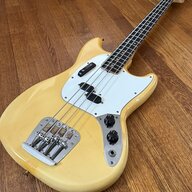
I think this is it here. There was a demand in the market for it, so fender tried rosewood out. Fender discovered an accidental benefit alongside the better sales: fewer guitars being returned for warranty repair. It produced a more stable neck that had no finish issues. That would explain switching to rosewood entirely shortly after it's introduction. Big cost savings = happy Leo.
Of the most oft used woods I think rosewood has the greatest fluctuations in quality of appearance. I can't think of anything that looks worse than cheap dry white-ish rosewood you see on cheap import guitars. Combined with a black body it is utterly hideous. On the other hand a nicely figured piece of rosewood next to sunburst and a tort pickguard can look amazing.
Agreed! Provided the manufacturer didn't put a topcoat finish on the board, the color of rosewood can be darkened and evened out by oiling it several times. In more extreme cases, you can use stain or dye. My AVRI P came with a lighter board with even lighter streaks in it... yech. After several oilings, it has a nice and even dark chocolate Brazilian RW look now.
Last edited:
Not only quality, but there are different species of rosewood. The Brazilian rosewood used on vintage guitars is endangered. It is usually darker than the Indian rosewood used today.
That's true. Maybe this isn't always true but from working with different kinds of rosewood in knife building and musical instruments the South American varieties tend to be more oily and darker in color with better figuring.
I've always found it curious that really awesome looking rosewood isn't necessarily tied to the cost of the instrument. My 60's Mexican J-bass has an amazing looking fretboard but I've seen $2000 Gibsons with absolutely atrocious looking rosewood. Lakland tends to use nice looking rosewood as well.
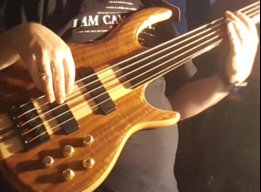
And then there are carvin bass necks.
Meaning..... ?
My current Carvin is maple/Walnut (I think it's Walnut) 5 piece neck with ebony fretboard.
Definitely not the first brand to use 5 piece necks, and ebony fingerboards have been the choice of fine acoustic instruments for 400 years....
So not sure what aspect of Carvin you're talking about.

there only one reason big companies make changes to big-selling gear, it's CHEAPER in the long run.
I agree, but I think it might be more accurate to say it's more PROFITABLE in the long run.
When I first started playing (1998), I was looking at all the companies catalogs. I was impressed by the quality of the carvin basses and one of the things I noticed was the material they used for a fretboard. I want to say it was ebony, but it may have been some man made material. I don't remember. I do remember that it was pure black.Meaning..... ?
My current Carvin is maple/Walnut (I think it's Walnut) 5 piece neck with ebony fretboard.
Definitely not the first brand to use 5 piece necks, and ebony fingerboards have been the choice of fine acoustic instruments for 400 years....
So not sure what aspect of Carvin you're talking about.
BTW, My first bass book really gave me a good foundation. It was written by Bunny Brunell and I discovered he worked at the Carvin store on Sunset blvd as an instructor. On my wife and my next trip out to Burbank I made a trip out to see him. By then he was a bit of a celebrity to me. I told him that his book is probably what allowed me to be a real bass player rather than a mediocre self taught wanker.


